
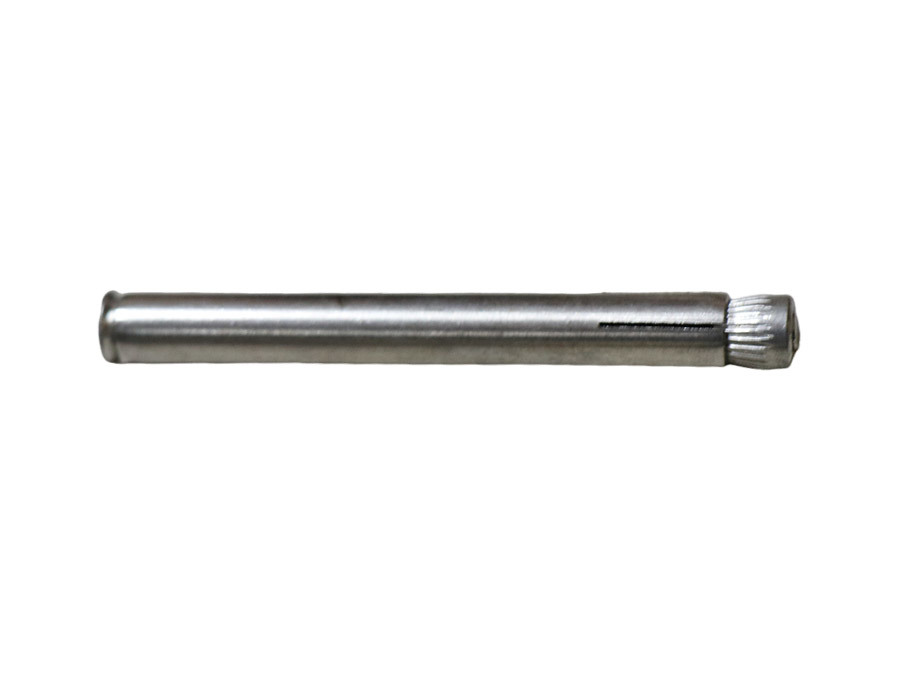
Understanding Stainless Steel Expansion: Key Insights for Industrial Fastening Solutions
Stainless steel expansion refers to the phenomenon where stainless steel components change in size due to variations in temperature. This characteristic is particularly crucial in industries that rely on precise fastening and connection systems, such as in industrial equipment and components. Understanding the principles of stainless steel expansion can help in selecting the appropriate fasteners
2025-10-09
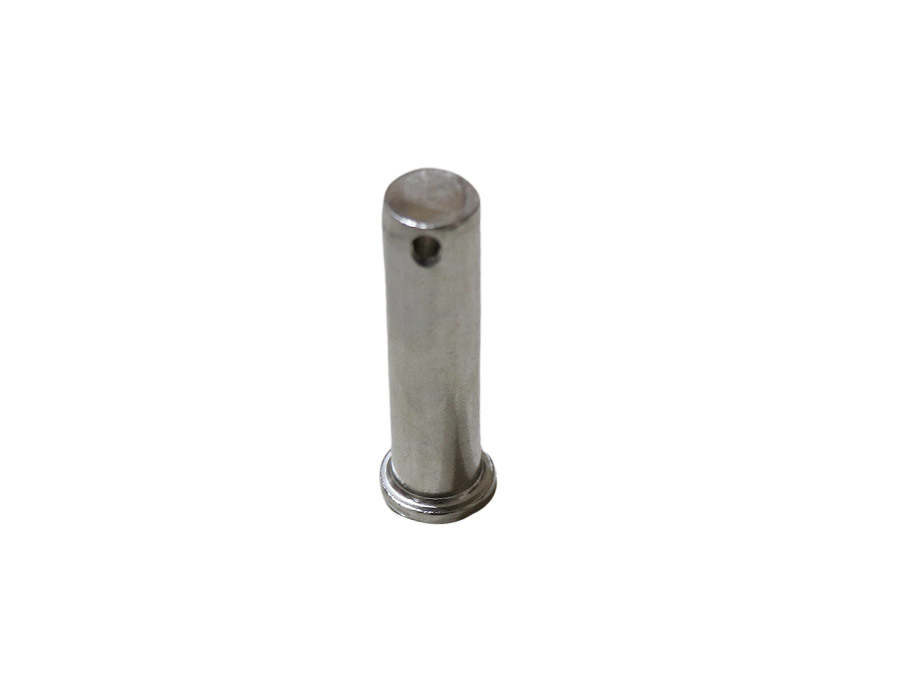
How Stainless Steel Pins are Revolutionizing the Fastening Industry
Table of Contents
1. Introduction to Stainless Steel Pins
2. The Advantages of Stainless Steel Pins
2.1 Corrosion Resistance
2.2 Strength and Durability
2.3 Versatility in Applications
3. Understanding Different Types of Stainless Steel Pins
3.1 Solid Pins
3.2 Hollow Pins
3.3 Grooved Pins
4. Key Applications
2025-10-08
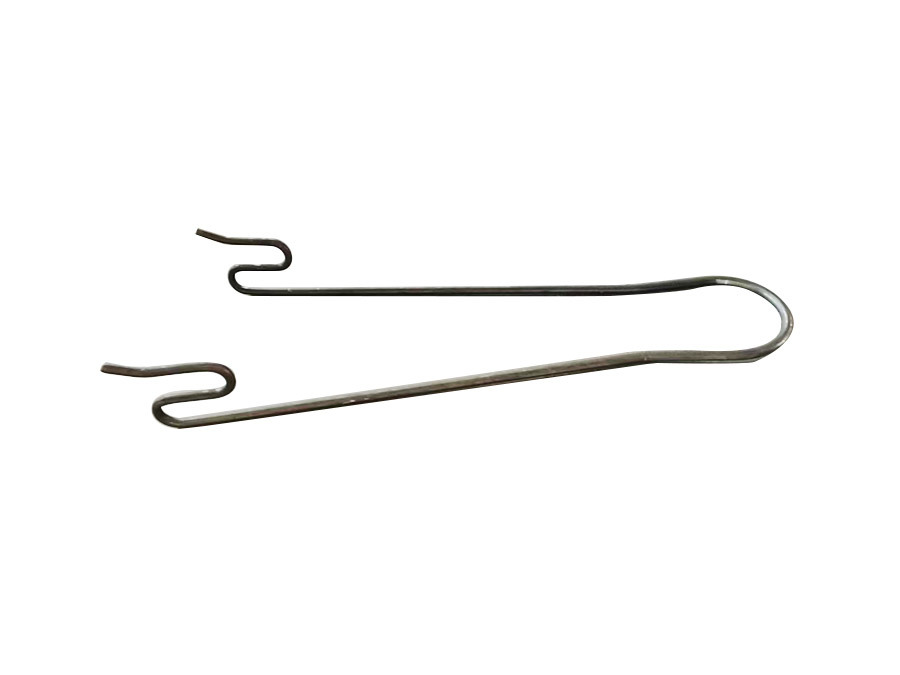
Understanding Stainless Steel Drill Tail Wire: Key Insights for Professionals
Stainless steel drill tail wire is an essential product in the industrial equipment and components sector, particularly in the realm of fasteners and connectors. This specialized wire serves a variety of applications, primarily in securing or connecting components in different assemblies. Its unique properties make it an ideal choice for many professionals in the industry.
One of the key character
2025-10-07
Designing for Success: Best Practices for Embedded Parts in Devices
Table of Contents
1. Introduction to Embedded Parts in Devices
2. Understanding Embedded Parts and Their Importance
3. Material Selection for Embedded Components
4. Key Design Considerations for Embedded Parts
5. Manufacturing Process for Embedded Parts
6. Testing and Validation of Embedded Components
2025-10-06
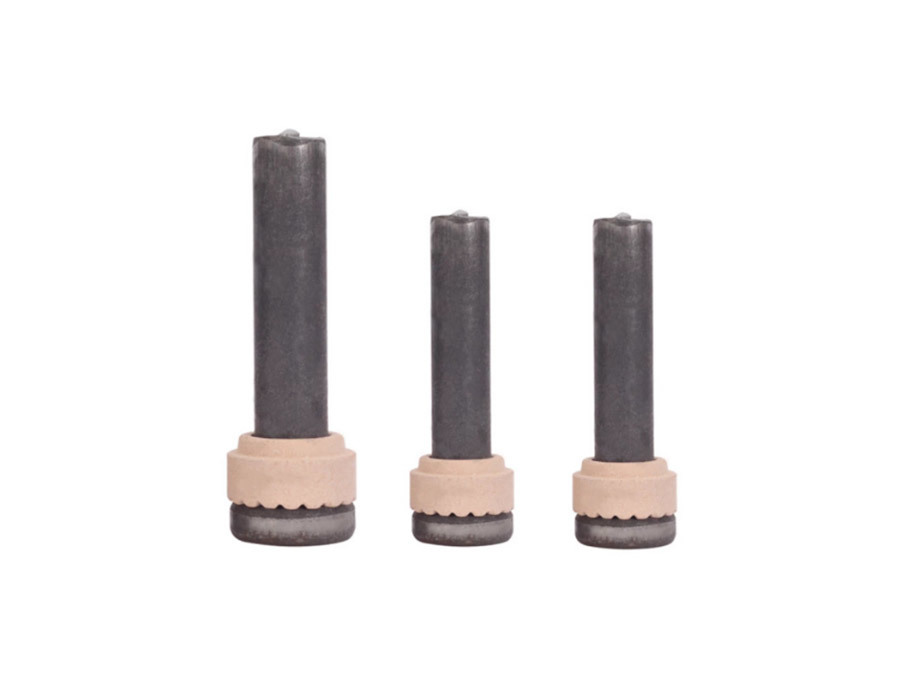
Understanding Welding Nails: Essential Insights for Industrial Professionals
Welding nails are specialized fasteners designed for applications requiring robust and reliable connections. They are predominantly used in the construction and manufacturing sectors, where the integrity of joints is paramount. Unlike conventional nails, welding nails are not merely hammered into place; instead, they are fused to surfaces using a welding process. This unique method provides a stro
2025-10-05