



Designing for Success: Best Practices for Embedded Parts in Devices
2025-10-06
Designing for Success: Best Practices for Embedded Parts in Devices
Table of Contents
1. Introduction to Embedded Parts in Devices
2. Understanding Embedded Parts and Their Importance
3. Material Selection for Embedded Components
4. Key Design Considerations for Embedded Parts
5. Manufacturing Process for Embedded Parts
6. Testing and Validation of Embedded Components
Designing for Success: Best Practices for Embedded Parts in Devices
Table of Contents
- 1. Introduction to Embedded Parts in Devices
- 2. Understanding Embedded Parts and Their Importance
- 3. Material Selection for Embedded Components
- 4. Key Design Considerations for Embedded Parts
- 5. Manufacturing Process for Embedded Parts
- 6. Testing and Validation of Embedded Components
- 7. Future Trends in Embedded Design Technology
- 8. Conclusion: Key Takeaways for Design Success
- 9. FAQs about Embedded Parts Design
1. Introduction to Embedded Parts in Devices
In today's rapidly evolving technological landscape, embedded parts play a pivotal role in the functionality and efficiency of devices across various industries. From smartphones to industrial machinery, the integration of reliable embedded components is crucial for enhancing performance and ensuring user satisfaction. This article outlines the best practices for designing embedded parts, focusing on the intricate details that can make or break a device’s success.
2. Understanding Embedded Parts and Their Importance
Embedded parts are essential components that are integrated into larger systems, providing specific functionalities while often remaining concealed from users. These components can include fasteners, connectors, and various mechanical elements that contribute to the overall performance of the device. Their significance lies in their ability to ensure durability, enhance structural integrity, and facilitate seamless operation.
The Role of Embedded Parts in Device Performance
The effectiveness of embedded parts directly influences the performance of devices. Poorly designed components can lead to device failure, increased maintenance costs, and ultimately, customer dissatisfaction. Therefore, understanding the critical role of these parts is paramount when designing any device.
3. Material Selection for Embedded Components
Selecting the right materials for embedded components is fundamental to ensuring their longevity and functionality. The choice of materials can impact everything from thermal conductivity to resistance to corrosion and wear.
Key Factors in Material Selection
When choosing materials, several factors should be considered:
- **Mechanical Properties**: Strength, ductility, and hardness can affect the performance and longevity of embedded parts.
- **Thermal Properties**: Materials should withstand the operational temperatures without degrading.
- **Corrosion Resistance**: In environments exposed to moisture or chemicals, corrosion-resistant materials are essential.
- **Cost-Effectiveness**: Balancing performance with cost is crucial in material selection.
4. Key Design Considerations for Embedded Parts
Effective design is critical for the success of embedded parts. Several considerations must be addressed during the design phase to ensure optimal performance.
Design for Manufacturability (DFM)
Designing with manufacturability in mind can significantly reduce production costs and time. Ensuring that embedded parts are easy to manufacture, assemble, and disassemble can simplify the overall production process.
Prototyping and Iteration
Creating prototypes early in the design process allows for testing and validation of embedded parts. Iteration based on feedback from these prototypes facilitates improvements and refinements.
5. Manufacturing Process for Embedded Parts
The manufacturing process for embedded parts should be streamlined and efficient to ensure high-quality production.
Common Manufacturing Techniques
Several techniques are commonly used in the production of embedded parts:
- **Injection Molding**: Ideal for producing complex shapes and high volumes of parts.
- **CNC Machining**: Provides precision and flexibility for custom parts.
- **3D Printing**: Offers rapid prototyping and the ability to create intricate designs.
6. Testing and Validation of Embedded Components
Testing and validation are crucial to ensure that embedded parts meet performance standards and specifications.
Types of Testing
- **Mechanical Testing**: Evaluates the strength and durability of materials.
- **Thermal Testing**: Assesses how components perform under varying temperature conditions.
- **Environmental Testing**: Simulates real-world conditions to test reliability and performance.
7. Future Trends in Embedded Design Technology
The field of embedded design is rapidly evolving, with emerging technologies shaping the future of product development.
Advancements in Smart Materials
Innovations in smart materials can lead to embedded components that respond dynamically to their environments, enhancing functionality and efficiency.
Integration of IoT Technology
As the Internet of Things (IoT) continues to expand, integrating smart sensors and connectivity into embedded parts will become increasingly essential for modern devices.
8. Conclusion: Key Takeaways for Design Success
Designing embedded parts successfully requires meticulous attention to detail, from material selection to testing and validation. By adhering to best practices and staying abreast of emerging trends, designers and manufacturers can create devices that not only meet market demands but exceed user expectations. Prioritizing quality, efficiency, and innovation will pave the way for success in an increasingly competitive landscape.
9. FAQs about Embedded Parts Design
What are embedded parts?
Embedded parts are components integrated into larger systems or devices, providing essential functionalities while often remaining hidden from users.
Why is material selection important in embedded parts?
Material selection is crucial because it impacts the durability, performance, and overall success of the embedded components within a device.
How can I ensure the manufacturability of embedded parts?
Implementing Design for Manufacturability (DFM) principles can simplify production processes and reduce costs.
What types of testing are necessary for embedded parts?
Mechanical, thermal, and environmental testing are essential to validate the performance and reliability of embedded components.
What are some future trends in embedded design technology?
Emerging trends include advancements in smart materials and the integration of IoT technology, which will enhance the functionality of embedded components.
By following the best practices outlined in this article, we can create embedded parts that are reliable, efficient, and capable of meeting the ever-evolving demands of technology.
Key words:
RELATED INFORMATION
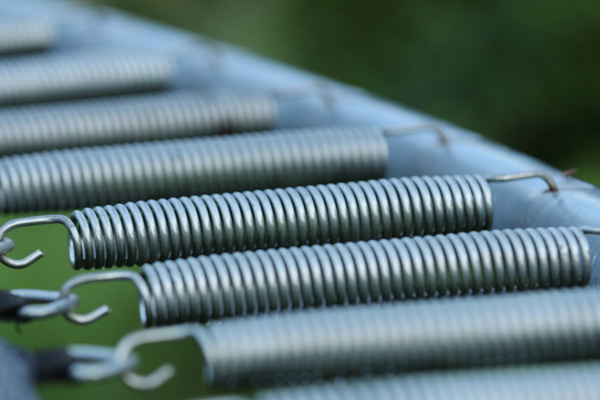
We know that within the elastic limit, the elongation (or contraction) of the spring is proportional to the external force.
2024-05-22
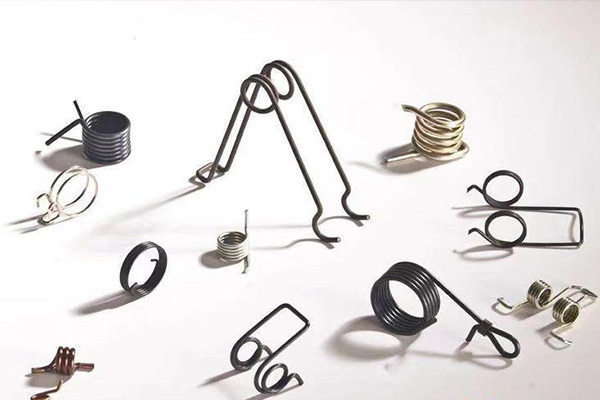
The current pattern of the spring industry
For the spring industry, for a long time, there has been an oversupply of low-grade ordinary springs.
2024-05-22
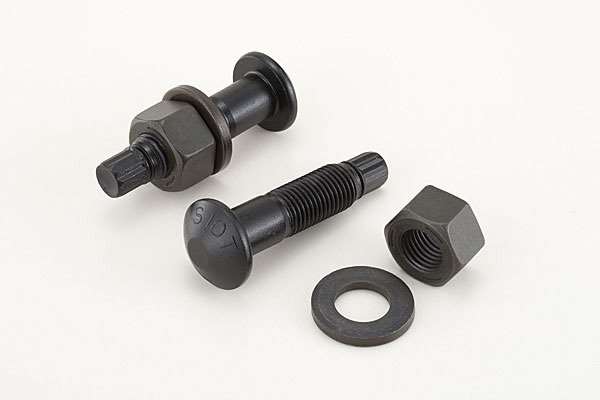
What material is generally used for high-strength bolts?
The upper limit of the tensile strength of the material used in high-strength bolts has a lot to do with the quenching treatment.
2024-05-22


Service E-mail
Service TEL
Address
Handan City, Hebei Province, China
To inquire about our products, please leave your email to us and we will contact you within 24 hours.
