



How Stainless Steel Pins are Revolutionizing the Fastening Industry
2025-10-08
How Stainless Steel Pins are Revolutionizing the Fastening Industry
Table of Contents
1. Introduction to Stainless Steel Pins
2. The Advantages of Stainless Steel Pins
2.1 Corrosion Resistance
2.2 Strength and Durability
2.3 Versatility in Applications
3. Understanding Different Types of Stainless Steel Pins
3.1 Solid Pins
3.2 Hollow Pins
3.3 Grooved Pins
4. Key Applications
How Stainless Steel Pins are Revolutionizing the Fastening Industry
Table of Contents
1. Introduction to Stainless Steel Pins
2. The Advantages of Stainless Steel Pins
2.1 Corrosion Resistance
2.2 Strength and Durability
2.3 Versatility in Applications
3. Understanding Different Types of Stainless Steel Pins
3.1 Solid Pins
3.2 Hollow Pins
3.3 Grooved Pins
4. Key Applications of Stainless Steel Pins in Various Industries
4.1 Automotive Industry
4.2 Aerospace Sector
4.3 Medical Devices
5. Innovations in Stainless Steel Pin Manufacturing
5.1 Advanced Coatings
5.2 Improved Manufacturing Techniques
5.3 Sustainability in Production
6. Challenges in the Fastening Industry
7. Future Trends in Fastening Technology
8. Frequently Asked Questions (FAQs)
9. Conclusion
1. Introduction to Stainless Steel Pins
Stainless steel pins have emerged as a vital component in the fastening industry, providing solutions that are essential for various applications. As industries continue to evolve and demand higher standards, stainless steel pins have gained recognition for their superior properties and performance. This article delves into the transformative impact of stainless steel pins, exploring their advantages, types, applications, and the innovations driving their evolution.
2. The Advantages of Stainless Steel Pins
Stainless steel pins offer a multitude of benefits that set them apart from traditional fastening solutions. Their unique properties make them increasingly popular in various sectors.
2.1 Corrosion Resistance
One of the most significant advantages of stainless steel pins is their exceptional **corrosion resistance**. Unlike conventional steel, stainless steel is formulated with chromium, which creates a protective layer that prevents rust and degradation. This quality is particularly crucial in harsh environments, such as marine applications or areas exposed to moisture, ensuring the longevity of the fastening solution.
2.2 Strength and Durability
Stainless steel pins excel in terms of strength and durability. They can withstand high loads and resist deformation, making them suitable for applications requiring robust fastening solutions. The inherent toughness of stainless steel allows these pins to maintain their integrity under stress, contributing to the overall durability of assemblies.
2.3 Versatility in Applications
Another notable feature of stainless steel pins is their **versatility**. They can be utilized in various industries, ranging from automotive to aerospace and medical devices. Their adaptability allows engineers and manufacturers to implement them in diverse applications, ensuring effective fastening solutions across different environments and conditions.
3. Understanding Different Types of Stainless Steel Pins
To fully appreciate the potential of stainless steel pins, it's essential to understand the different types available in the market. Each type is designed to fulfill specific requirements and applications.
3.1 Solid Pins
Solid stainless steel pins are the most straightforward form of fastening pins. These are solid rods that can be inserted into pre-drilled holes to secure components together. They are commonly used in structural applications and can provide reliable, permanent fastening solutions.
3.2 Hollow Pins
Hollow stainless steel pins, on the other hand, offer a unique benefit with their lightweight design. These pins feature a hollow core, which reduces their weight while maintaining strength. They are particularly useful in applications where weight savings are critical, such as in aerospace engineering.
3.3 Grooved Pins
Grooved pins are designed with grooves along their length, enhancing their grip during installation. These pins are excellent for applications requiring a secure fit, preventing them from loosening over time. Their design is particularly beneficial in machinery where vibrations might cause traditional pins to shift.
4. Key Applications of Stainless Steel Pins in Various Industries
Stainless steel pins find applications across a multitude of industries, each leveraging their unique properties for enhanced performance.
4.1 Automotive Industry
In the automotive industry, stainless steel pins are extensively used in engine assemblies, body structures, and interior fittings. Their resistance to corrosion ensures that the fasteners maintain their integrity in the face of exposure to oil, fuel, and moisture.
4.2 Aerospace Sector
The aerospace sector relies heavily on stainless steel pins for securing critical components. Given the extreme conditions experienced at high altitudes, these pins provide the necessary strength, reliability, and resistance to fatigue that the industry demands.
4.3 Medical Devices
In the medical field, stainless steel pins are used in surgical instruments and implants. Their biocompatibility and corrosion resistance make them ideal for applications that require sterility and durability.
5. Innovations in Stainless Steel Pin Manufacturing
The manufacturing of stainless steel pins is continually evolving, with innovations leading to improved performance and sustainability.
5.1 Advanced Coatings
Innovative coating technologies enhance the properties of stainless steel pins. Coatings such as titanium nitride not only improve corrosion resistance but also reduce friction, leading to easier installation and longer service life.
5.2 Improved Manufacturing Techniques
New manufacturing techniques, including precision machining and 3D printing, have revolutionized how stainless steel pins are produced. These advancements allow for tighter tolerances and more complex designs, catering to specific application needs.
5.3 Sustainability in Production
Sustainability has become a focal point in manufacturing. Companies are increasingly adopting eco-friendly practices, such as recycling stainless steel and minimizing waste during production, contributing to a more sustainable fastening industry.
6. Challenges in the Fastening Industry
Despite the advancements in stainless steel pin technology, challenges remain in the fastening industry. These include the need for cost-effective solutions without compromising quality and the challenge of meeting stringent regulatory requirements across various sectors.
7. Future Trends in Fastening Technology
As we look toward the future, several trends are shaping the fastening industry. The continued development of smart fastening solutions, such as pins with built-in sensors, promises to enhance monitoring and performance. Additionally, the growing emphasis on lightweight materials will likely drive further innovation in stainless steel pin design.
8. Frequently Asked Questions (FAQs)
8.1 What are stainless steel pins used for?
Stainless steel pins are used in various applications across industries, including automotive, aerospace, and medical devices, primarily for securing components.
8.2 How do stainless steel pins compare to other materials?
Stainless steel pins are more durable and corrosion-resistant than traditional steel pins, making them suitable for harsh environments.
8.3 Can stainless steel pins be recycled?
Yes, stainless steel pins can be recycled, contributing to sustainable manufacturing practices.
8.4 What is the lifespan of stainless steel pins?
The lifespan of stainless steel pins depends on the application and environment but generally offers excellent longevity due to their corrosion resistance.
8.5 Are there any disadvantages to using stainless steel pins?
While stainless steel pins are highly beneficial, they can be more expensive than other fastening options, which may be a consideration in large-scale applications.
9. Conclusion
Stainless steel pins are indeed revolutionizing the fastening industry, offering unparalleled benefits in terms of strength, durability, and corrosion resistance. As we continue to innovate and adapt to the ever-evolving demands of various industries, the role of stainless steel pins will only grow in significance. By understanding their advantages, applications, and the ongoing advancements in manufacturing technology, businesses can leverage these fastening solutions to enhance their operations and products. Embracing stainless steel pins not only improves the reliability of fastenings but also contributes to a more sustainable and efficient industry.
Key words:
RELATED INFORMATION
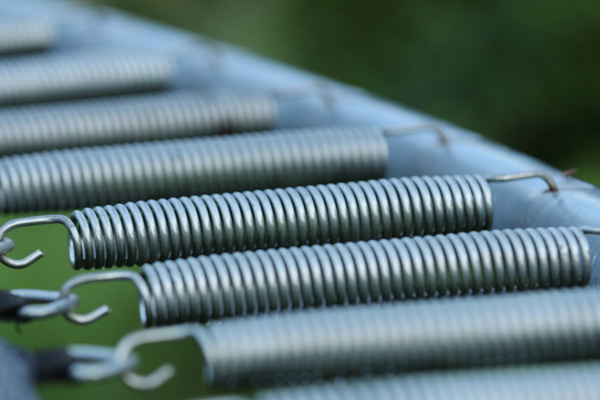
We know that within the elastic limit, the elongation (or contraction) of the spring is proportional to the external force.
2024-05-22
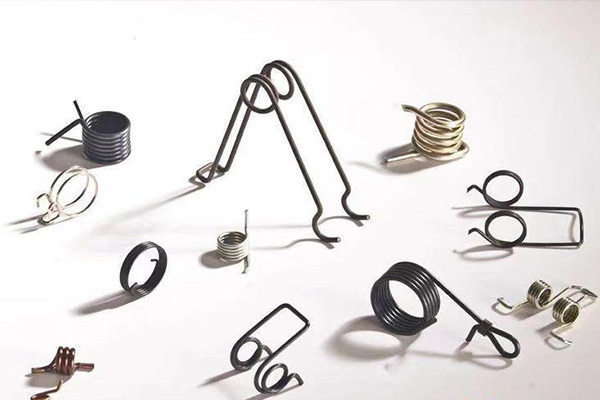
The current pattern of the spring industry
For the spring industry, for a long time, there has been an oversupply of low-grade ordinary springs.
2024-05-22
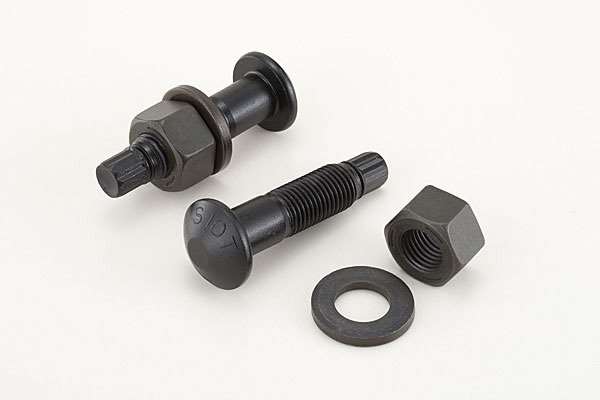
What material is generally used for high-strength bolts?
The upper limit of the tensile strength of the material used in high-strength bolts has a lot to do with the quenching treatment.
2024-05-22


Service E-mail
Service TEL
Address
Handan City, Hebei Province, China
To inquire about our products, please leave your email to us and we will contact you within 24 hours.
