



Understanding Stainless Steel Expansion: Key Insights for Industrial Fastening Solutions
2025-10-09
Stainless steel expansion refers to the phenomenon where stainless steel components change in size due to variations in temperature. This characteristic is particularly crucial in industries that rely on precise fastening and connection systems, such as in industrial equipment and components. Understanding the principles of stainless steel expansion can help in selecting the appropriate fasteners
Stainless steel expansion refers to the phenomenon where stainless steel components change in size due to variations in temperature. This characteristic is particularly crucial in industries that rely on precise fastening and connection systems, such as in industrial equipment and components. Understanding the principles of stainless steel expansion can help in selecting the appropriate fasteners and connectors to ensure optimal performance in different environments.
One of the primary factors influencing stainless steel expansion is temperature. As the temperature rises, stainless steel tends to expand, while it contracts when cooled. This thermal expansion must be taken into account during the design and installation of industrial components. Failure to accommodate for expansion can lead to mechanical failure, misalignment, and ultimately, costly downtime. Therefore, engineers and designers need to incorporate adequate tolerances and clearances in their designs to allow for this natural behavior.
In addition to temperature, the specific type of stainless steel alloy can also affect its expansion properties. Different grades of stainless steel, such as 304 and 316, exhibit varying coefficients of thermal expansion. Understanding the properties of the specific alloy being used is essential for making informed decisions about fastener selections and application suitability.
Furthermore, it's important to note that the surrounding environment can also impact the expansion characteristics of stainless steel. Factors such as humidity, pressure, and the presence of corrosive substances can influence how stainless steel behaves under different conditions. Choosing the right stainless steel grade that matches the operational environment is critical for maintaining the longevity and performance of fasteners and other components.
When designing or selecting fastening solutions that involve stainless steel, it’s advisable to consult technical specifications that include thermal expansion coefficients. This information can guide engineers in making choices that ensure the mechanical integrity of assemblies subjected to significant temperature fluctuations.
In summary, understanding stainless steel expansion is vital for anyone involved in the design or use of industrial fasteners and connectors. By considering the effects of temperature, alloy type, and environmental factors, professionals can make better-informed decisions that enhance the reliability and longevity of their products. Embracing this knowledge leads to improved operational efficiency and reduced maintenance costs, ultimately benefiting the entire industrial process.
One of the primary factors influencing stainless steel expansion is temperature. As the temperature rises, stainless steel tends to expand, while it contracts when cooled. This thermal expansion must be taken into account during the design and installation of industrial components. Failure to accommodate for expansion can lead to mechanical failure, misalignment, and ultimately, costly downtime. Therefore, engineers and designers need to incorporate adequate tolerances and clearances in their designs to allow for this natural behavior.
In addition to temperature, the specific type of stainless steel alloy can also affect its expansion properties. Different grades of stainless steel, such as 304 and 316, exhibit varying coefficients of thermal expansion. Understanding the properties of the specific alloy being used is essential for making informed decisions about fastener selections and application suitability.
Furthermore, it's important to note that the surrounding environment can also impact the expansion characteristics of stainless steel. Factors such as humidity, pressure, and the presence of corrosive substances can influence how stainless steel behaves under different conditions. Choosing the right stainless steel grade that matches the operational environment is critical for maintaining the longevity and performance of fasteners and other components.
When designing or selecting fastening solutions that involve stainless steel, it’s advisable to consult technical specifications that include thermal expansion coefficients. This information can guide engineers in making choices that ensure the mechanical integrity of assemblies subjected to significant temperature fluctuations.
In summary, understanding stainless steel expansion is vital for anyone involved in the design or use of industrial fasteners and connectors. By considering the effects of temperature, alloy type, and environmental factors, professionals can make better-informed decisions that enhance the reliability and longevity of their products. Embracing this knowledge leads to improved operational efficiency and reduced maintenance costs, ultimately benefiting the entire industrial process.
Key words:
RELATED INFORMATION
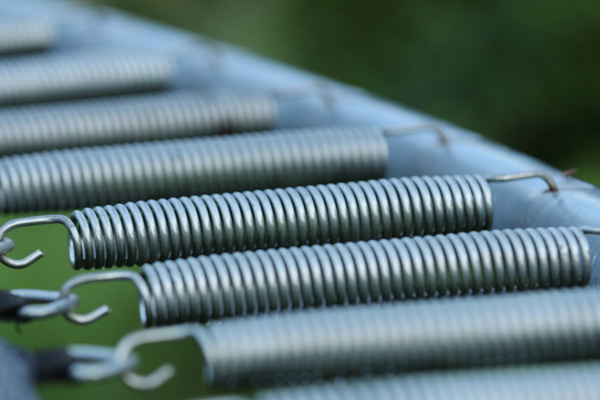
We know that within the elastic limit, the elongation (or contraction) of the spring is proportional to the external force.
2024-05-22
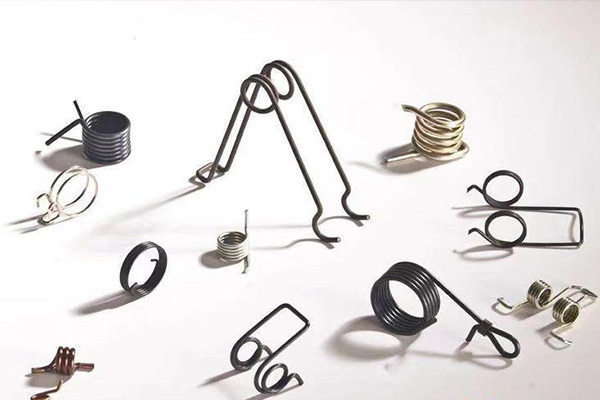
The current pattern of the spring industry
For the spring industry, for a long time, there has been an oversupply of low-grade ordinary springs.
2024-05-22
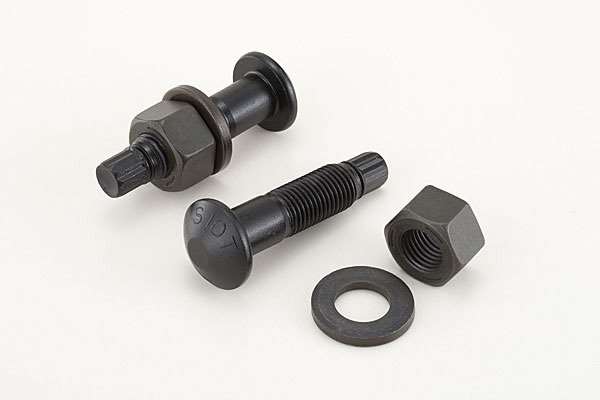
What material is generally used for high-strength bolts?
The upper limit of the tensile strength of the material used in high-strength bolts has a lot to do with the quenching treatment.
2024-05-22


Service E-mail
Service TEL
Address
Handan City, Hebei Province, China
To inquire about our products, please leave your email to us and we will contact you within 24 hours.
