



Innovative Applications of Stainless Steel Nuts in Modern Industry: A Comprehensive Guide
2025-10-10
Innovative Applications of Stainless Steel Nuts in Modern Industry
Table of Contents
1. Introduction to Stainless Steel Nuts
2. Advantages of Stainless Steel Nuts in Industrial Applications
3. Diverse Industrial Applications of Stainless Steel Nuts
4. Innovation and Design in Stainless Steel Nuts
5. Corrosion Resistance and Durability
6. Sustainability and Environmental Co
Innovative Applications of Stainless Steel Nuts in Modern Industry
Table of Contents
- 1. Introduction to Stainless Steel Nuts
- 2. Advantages of Stainless Steel Nuts in Industrial Applications
- 3. Diverse Industrial Applications of Stainless Steel Nuts
- 4. Innovation and Design in Stainless Steel Nuts
- 5. Corrosion Resistance and Durability
- 6. Sustainability and Environmental Considerations
- 7. Future Trends in Stainless Steel Nuts
- 8. Frequently Asked Questions
- 9. Conclusion
1. Introduction to Stainless Steel Nuts
Stainless steel nuts are integral components widely used in various industries, known for their strength, durability, and resistance to corrosion. These versatile fasteners provide essential support and stability in numerous applications, from construction to automotive and aerospace. As industries evolve and demand for advanced materials increases, the role of stainless steel nuts is becoming even more crucial. This article will explore the innovative applications of stainless steel nuts in modern industry, highlighting their unique properties, benefits, and future potential.
2. Advantages of Stainless Steel Nuts in Industrial Applications
The use of stainless steel nuts in industrial settings offers several advantages that contribute to their widespread adoption.
2.1 Strength and Load-Bearing Capacity
Stainless steel nuts exhibit exceptional strength and load-bearing capabilities, making them suitable for high-stress environments. This strength ensures that machinery and structures remain securely fastened, reducing the risk of failure and enhancing safety.
2.2 Corrosion Resistance
One of the standout features of stainless steel is its corrosion resistance. This property is critical in industries such as food processing, marine applications, and chemical manufacturing, where exposure to harsh environments and corrosive substances is common.
2.3 Temperature Resistance
Stainless steel nuts can withstand extreme temperatures, maintaining their integrity and performance in both high and low-temperature applications. This thermal stability is essential in industries like aerospace, where components are subjected to varying temperature gradients.
2.4 Aesthetic Appeal
In addition to their functional benefits, stainless steel nuts also offer aesthetic advantages. Their shiny, polished surface enhances the overall appearance of assemblies, making them ideal for visible applications in consumer products and architectural designs.
3. Diverse Industrial Applications of Stainless Steel Nuts
Stainless steel nuts have found widespread use across various industries due to their unique properties and capabilities.
3.1 Automotive Industry
In the automotive sector, stainless steel nuts are utilized in engine assemblies, exhaust systems, and frame construction. Their strength and resistance to corrosion ensure the longevity and reliability of vehicles, contributing to safer transportation.
3.2 Aerospace Applications
The aerospace industry demands high-performance components that can withstand extreme conditions. Stainless steel nuts are commonly used in aircraft assembly, providing crucial fastening solutions that ensure safety and compliance with stringent regulations.
3.4 Construction and Engineering
In construction, stainless steel nuts secure structural components, offering the necessary strength to support buildings and infrastructure. Their resistance to environmental factors, such as moisture and chemicals, makes them ideal for use in bridges, roads, and high-rise buildings.
3.5 Marine Applications
Given the harsh conditions of marine environments, stainless steel nuts are essential in shipbuilding and repair. They resist saltwater corrosion, ensuring that vessels remain structurally sound and safe for operation.
4. Innovation and Design in Stainless Steel Nuts
The design and manufacturing processes of stainless steel nuts continue to evolve, driven by technological advancements and the need for improved performance.
4.1 Advanced Manufacturing Techniques
Modern manufacturing techniques, such as 3D printing and CNC machining, have revolutionized the production of stainless steel nuts. These technologies enable the creation of complex geometries and custom designs tailored to specific applications, enhancing performance and efficiency.
4.2 Customized Solutions
Industries increasingly require customized solutions to meet unique challenges. Manufacturers are responding by developing stainless steel nuts with specialized coatings, sizes, and designs, catering to the diverse needs of various sectors.
5. Corrosion Resistance and Durability
The durability of stainless steel nuts stems from their unique composition, which includes chromium, nickel, and other alloying elements that enhance corrosion resistance.
5.1 Types of Stainless Steel Nuts
Different grades of stainless steel, such as 304 and 316, offer varying levels of corrosion resistance. Grade 316, for instance, contains molybdenum, making it more suitable for marine applications. Understanding the specific requirements of an application is crucial when selecting the appropriate stainless steel nut.
5.2 Maintenance and Longevity
While stainless steel nuts are highly durable, proper maintenance can further extend their lifespan. Regular inspections and cleaning help prevent the buildup of contaminants that may compromise their performance.
6. Sustainability and Environmental Considerations
As industries shift towards more sustainable practices, stainless steel nuts offer several benefits that align with environmental goals.
6.1 Recyclability of Stainless Steel
Stainless steel is fully recyclable, making it an environmentally friendly choice for manufacturers. The recycling process reduces waste and conserves resources, contributing to a circular economy.
6.2 Energy Efficiency
The longevity and durability of stainless steel nuts lead to reduced replacement rates, lowering the overall energy consumption associated with production and transportation.
7. Future Trends in Stainless Steel Nuts
The future of stainless steel nuts in modern industry is promising, marked by innovations and growing demand across various sectors.
7.1 Increased Demand for Lightweight Materials
As industries seek to improve fuel efficiency and reduce emissions, the demand for lightweight materials is on the rise. Stainless steel nuts can be engineered to meet these requirements without sacrificing strength or performance.
7.2 Integration with Smart Technologies
The integration of smart technologies into industrial components is gaining traction. Future stainless steel nuts may feature sensors or IoT connectivity, enabling real-time monitoring and predictive maintenance, thus enhancing operational efficiency.
8. Frequently Asked Questions
8.1 What are the advantages of using stainless steel nuts over other materials?
Stainless steel nuts offer superior corrosion resistance, strength, and durability, making them ideal for high-stress and challenging environments.
8.2 How do I choose the right stainless steel nut for my application?
Consider factors such as the operating environment, load requirements, and any specific industry regulations when selecting a stainless steel nut.
8.3 Are stainless steel nuts recyclable?
Yes, stainless steel is fully recyclable, which makes stainless steel nuts an environmentally friendly choice for manufacturers.
8.4 What grades of stainless steel are commonly used in nuts?
Common grades include 304, which is suitable for general applications, and 316, which offers enhanced corrosion resistance for marine and chemical environments.
8.5 How can I maintain stainless steel nuts to ensure their longevity?
Regular inspections and cleaning can help prevent contamination and ensure that stainless steel nuts maintain their performance over time.
9. Conclusion
Stainless steel nuts play a pivotal role in modern industry, offering a unique combination of strength, durability, and corrosion resistance. As we continue to innovate and adapt to the evolving demands of various sectors, the applications of stainless steel nuts will expand, leading to enhanced operational efficiency and sustainability. By understanding their advantages and potential uses, industries can leverage stainless steel nuts to drive improvement and innovation in their manufacturing processes. Embracing these advanced fasteners not only enhances product reliability but also aligns with the growing emphasis on sustainable practices in the industrial landscape.
Key words:
RELATED INFORMATION
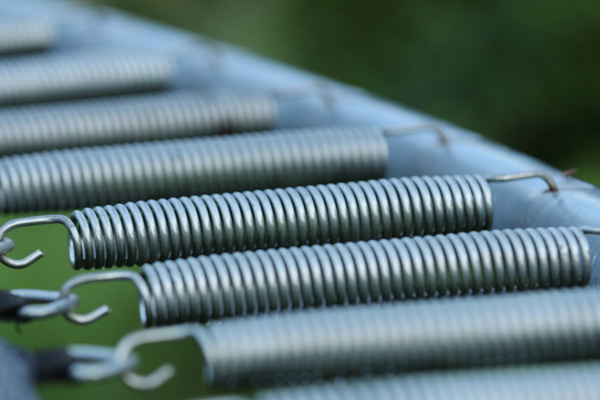
We know that within the elastic limit, the elongation (or contraction) of the spring is proportional to the external force.
2024-05-22
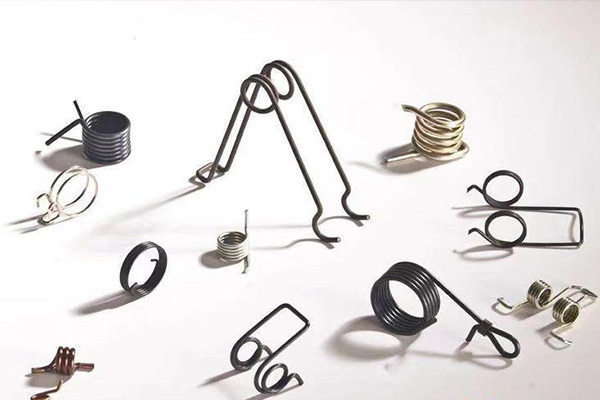
The current pattern of the spring industry
For the spring industry, for a long time, there has been an oversupply of low-grade ordinary springs.
2024-05-22
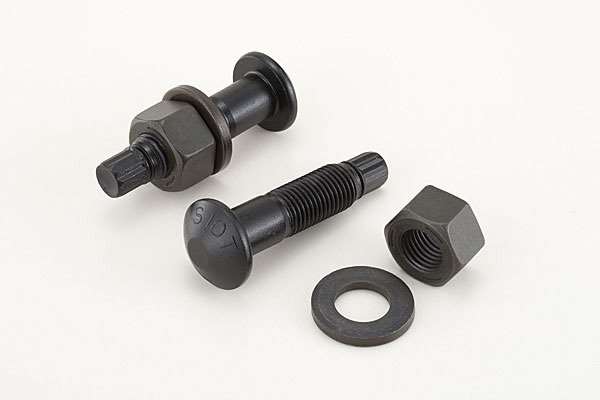
What material is generally used for high-strength bolts?
The upper limit of the tensile strength of the material used in high-strength bolts has a lot to do with the quenching treatment.
2024-05-22


Service E-mail
Service TEL
Address
Handan City, Hebei Province, China
To inquire about our products, please leave your email to us and we will contact you within 24 hours.
