



Understanding Stainless Steel Expansion: Essential Knowledge for Industrial Fasteners and Connectors
2026-02-18
Stainless steel is renowned for its strength, corrosion resistance, and versatility, making it a popular choice in various industrial applications, particularly for fasteners and connectors. One critical aspect that professionals in this field must understand is the concept of stainless steel expansion. This phenomenon, although often overlooked, can significantly impact the performance and integr
Stainless steel is renowned for its strength, corrosion resistance, and versatility, making it a popular choice in various industrial applications, particularly for fasteners and connectors. One critical aspect that professionals in this field must understand is the concept of stainless steel expansion. This phenomenon, although often overlooked, can significantly impact the performance and integrity of industrial equipment and components.
When exposed to temperature fluctuations, stainless steel undergoes thermal expansion, which is the increase in its dimensions. This characteristic is essential to consider, especially when designing connections and fasteners, as improper accounting for thermal expansion can lead to structural failures or compromised connections. The coefficient of thermal expansion for stainless steel generally ranges from 16 to 20 x 10^-6/°C, indicating how much the material will expand per degree of temperature increase.
Understanding the specific type of stainless steel being utilized is crucial, as different alloys exhibit varying expansion properties. For instance, austenitic stainless steels, such as 304 and 316, possess higher expansion rates compared to ferritic grades. This knowledge is particularly relevant when selecting materials for high-temperature environments or applications where thermal cycling is prevalent. Engineers must also consider the assembly method; for instance, tightly fitting connections may not allow for adequate expansion, potentially leading to stress concentrations and eventual failure.
In addition to temperature changes, the surrounding environment can influence stainless steel expansion. Factors such as humidity and chemical exposure can exacerbate corrosion, which in turn affects the integrity of the material. Therefore, proper selection of stainless steel grades, along with protective coatings or treatments, can enhance durability and performance, especially in harsh environments.
Moreover, when designing fastening systems, it is essential to account for the potential movement due to thermal expansion. Allowing for sufficient clearance and using flexible fastening methods can help mitigate the risks associated with restricted movement. This proactive approach ensures that the fasteners and connectors maintain their integrity during operation, contributing to the overall reliability of the system.
In conclusion, a comprehensive understanding of stainless steel expansion is vital for professionals in the industrial fasteners and connectors sector. By considering the thermal expansion properties of different alloys and implementing design strategies that accommodate these changes, engineers can enhance the performance and longevity of their products. This knowledge not only aids in preventing failures but also ensures that systems operate efficiently across varying conditions.
When exposed to temperature fluctuations, stainless steel undergoes thermal expansion, which is the increase in its dimensions. This characteristic is essential to consider, especially when designing connections and fasteners, as improper accounting for thermal expansion can lead to structural failures or compromised connections. The coefficient of thermal expansion for stainless steel generally ranges from 16 to 20 x 10^-6/°C, indicating how much the material will expand per degree of temperature increase.
Understanding the specific type of stainless steel being utilized is crucial, as different alloys exhibit varying expansion properties. For instance, austenitic stainless steels, such as 304 and 316, possess higher expansion rates compared to ferritic grades. This knowledge is particularly relevant when selecting materials for high-temperature environments or applications where thermal cycling is prevalent. Engineers must also consider the assembly method; for instance, tightly fitting connections may not allow for adequate expansion, potentially leading to stress concentrations and eventual failure.
In addition to temperature changes, the surrounding environment can influence stainless steel expansion. Factors such as humidity and chemical exposure can exacerbate corrosion, which in turn affects the integrity of the material. Therefore, proper selection of stainless steel grades, along with protective coatings or treatments, can enhance durability and performance, especially in harsh environments.
Moreover, when designing fastening systems, it is essential to account for the potential movement due to thermal expansion. Allowing for sufficient clearance and using flexible fastening methods can help mitigate the risks associated with restricted movement. This proactive approach ensures that the fasteners and connectors maintain their integrity during operation, contributing to the overall reliability of the system.
In conclusion, a comprehensive understanding of stainless steel expansion is vital for professionals in the industrial fasteners and connectors sector. By considering the thermal expansion properties of different alloys and implementing design strategies that accommodate these changes, engineers can enhance the performance and longevity of their products. This knowledge not only aids in preventing failures but also ensures that systems operate efficiently across varying conditions.
Key words:
RELATED INFORMATION
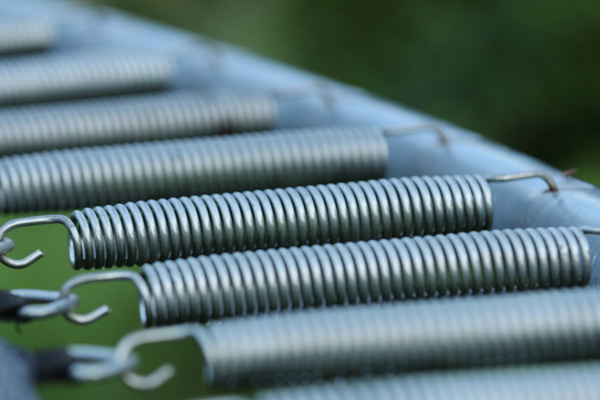
We know that within the elastic limit, the elongation (or contraction) of the spring is proportional to the external force.
2024-05-22
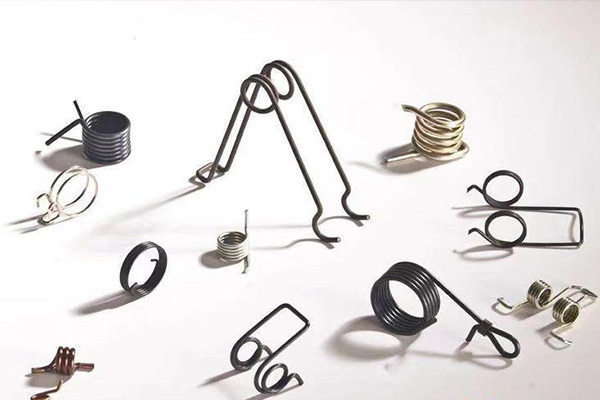
The current pattern of the spring industry
For the spring industry, for a long time, there has been an oversupply of low-grade ordinary springs.
2024-05-22
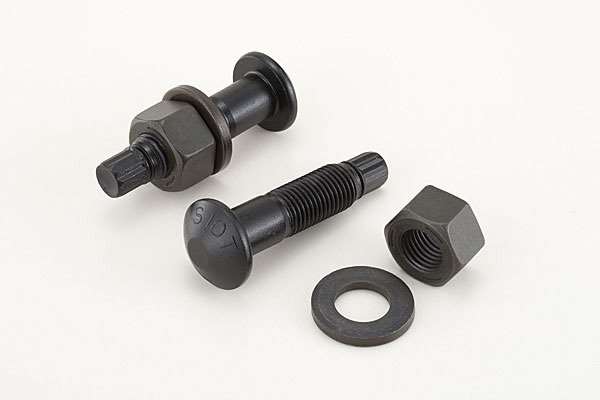
What material is generally used for high-strength bolts?
The upper limit of the tensile strength of the material used in high-strength bolts has a lot to do with the quenching treatment.
2024-05-22


Service E-mail
Service TEL
Address
Handan City, Hebei Province, China
To inquire about our products, please leave your email to us and we will contact you within 24 hours.
