



The Benefits of Using Stainless Steel Pins in Marine Applications
2026-02-17
The Benefits of Using Stainless Steel Pins in Marine Applications
Introduction to Stainless Steel Pins in Marine Environments
In the challenging world of marine applications, the choice of materials is crucial. One of the standout options is **stainless steel pins**, which offer numerous benefits that enhance performance and longevity. Understanding why these pins are favored in marine environment
The Benefits of Using Stainless Steel Pins in Marine Applications
Introduction to Stainless Steel Pins in Marine Environments
In the challenging world of marine applications, the choice of materials is crucial. One of the standout options is **stainless steel pins**, which offer numerous benefits that enhance performance and longevity. Understanding why these pins are favored in marine environments can help businesses and professionals make informed decisions about their equipment and components.
Understanding Stainless Steel: Composition and Properties
Stainless steel is an alloy primarily consisting of iron, carbon, and a minimum of 10.5% chromium. This unique composition grants stainless steel its renowned **corrosion resistance**, making it particularly suitable for marine applications. The addition of nickel and molybdenum in various grades can further enhance its resistance to pitting and crevice corrosion, which are common issues in salty environments.
Key Properties of Stainless Steel Pins
Stainless steel pins possess several key properties, including:
- **Corrosion Resistance**: Essential for marine environments.
- **Durability**: High tensile strength and resistance to wear.
- **Non-reactive**: Safe for various chemical interactions.
- **Easy to Fabricate**: Can be customized to fit specific applications.
The Role of Corrosion Resistance in Marine Applications
Corrosion is a significant challenge in marine settings due to the constant exposure to saltwater. The ability of stainless steel pins to resist corrosion ensures that they maintain their structural integrity and performance over time.
Types of Corrosion That Stainless Steel Pins Resist
1. **Uniform Corrosion**: Affects the metal uniformly, often due to exposure to saltwater.
2. **Pitting Corrosion**: Localized attacks that lead to small pits or holes.
3. **Crevice Corrosion**: Occurs in shielded areas where stagnant water collects.
4. **Galvanic Corrosion**: Arises when different metals are in contact in the presence of an electrolyte.
By utilizing stainless steel pins, marine applications can significantly reduce maintenance costs and downtime associated with corrosion-related failures.
The Durability of Stainless Steel Pins: A Long-term Investment
Durability is a vital consideration, especially in marine environments where components are subjected to extreme conditions. Stainless steel pins offer unparalleled strength and wear resistance.
How Durability Benefits Marine Operations
- **Reduced Replacement Frequency**: Higher durability means less frequent replacements, leading to lower costs over time.
- **Enhanced Safety**: Durable components contribute to overall safety in marine operations by minimizing the risk of equipment failure.
- **Reduced Maintenance**: Less wear translates to reduced maintenance requirements, allowing teams to focus on other operational aspects.
Versatility of Stainless Steel Pins in Various Marine Applications
Stainless steel pins are adaptable and can be utilized in a wide range of marine applications, including:
1. Boat Manufacturing
In boat construction, stainless steel pins serve as essential fasteners, ensuring structural integrity while resisting the harsh marine environment.
2. Marine Hardware
Used extensively in marine hardware, these pins are critical for anchoring systems, rigging, and other hardware that requires reliable performance.
3. Fishing Equipment
Stainless steel pins are often found in fishing gear, where their resistance to corrosion and durability can withstand the rigors of saltwater fishing.
Best Practices for Implementing Stainless Steel Pins in Marine Applications
To maximize the benefits of stainless steel pins, it is crucial to follow best practices during selection, installation, and maintenance.
Selection Criteria for Stainless Steel Pins
- **Choose the Right Grade**: Selecting the appropriate grade of stainless steel, such as 316 or 304, is vital based on the specific marine conditions.
- **Consider the Size and Shape**: Ensure the pins are sized correctly for the intended application.
- **Evaluate Coatings and Treatments**: Explore options for coatings that can enhance performance in specific marine environments.
Installation Tips
- **Proper Alignment**: Ensure precise alignment during installation to prevent unnecessary stress on the pins.
- **Use Correct Tools**: Employ the appropriate tools to avoid damaging the pins during installation.
Maintenance Recommendations
- **Regular Inspections**: Conduct periodic inspections to identify any signs of wear or corrosion.
- **Clean Regularly**: Remove salt deposits and debris that could lead to corrosion over time.
Case Studies: Successful Applications of Stainless Steel Pins in Marine Settings
Examining real-world applications can provide insight into the effectiveness of stainless steel pins in marine contexts.
Case Study 1: Recreational Boat Manufacturing
A leading boat manufacturer adopted stainless steel pins in their assembly process, resulting in a 30% reduction in maintenance costs over five years due to decreased corrosion incidents.
Case Study 2: Commercial Fishing Fleet
A commercial fishing company replaced traditional fasteners with stainless steel pins, leading to fewer equipment failures and enhanced operational efficiency during fishing expeditions.
Environmental Considerations: Sustainability of Stainless Steel
Stainless steel is not only beneficial for marine applications but also environmentally friendly. Its durability contributes to sustainability by reducing the need for frequent replacements, thus minimizing waste.
Recyclability of Stainless Steel
Stainless steel is highly recyclable, making it a sustainable choice for marine applications. This recyclability further enhances its appeal as a responsible choice for manufacturers committed to environmental stewardship.
Frequently Asked Questions (FAQs)
1. Why are stainless steel pins preferred over other materials in marine applications?
Stainless steel pins are preferred due to their superior corrosion resistance, durability, and strength, making them ideal for harsh marine environments.
2. What grade of stainless steel is best for marine applications?
Grade 316 stainless steel is often recommended for marine applications due to its excellent resistance to pitting and crevice corrosion in saltwater.
3. How can I maintain stainless steel pins in marine environments?
Regular cleaning, inspections, and the application of protective coatings can help maintain stainless steel pins in marine settings.
4. Are there alternatives to stainless steel pins for marine use?
While there are alternatives such as aluminum and plastic, they often lack the strength and corrosion resistance of stainless steel, making them less suitable for many marine applications.
5. Can stainless steel pins be used in freshwater applications?
Yes, stainless steel pins can be used in freshwater applications, but their primary advantage is seen in saltwater environments where corrosion resistance is vital.
Conclusion
Stainless steel pins represent a superior choice for marine applications, combining outstanding corrosion resistance, durability, and versatility. By opting for these pins, businesses can enhance operational efficiency, reduce maintenance costs, and ensure safety in their marine endeavors. As the marine industry continues to evolve, stainless steel pins will remain a cornerstone of reliable and sustainable practices, enabling equipment and components to stand the test of time in the face of challenging marine conditions.
Key words:
RELATED INFORMATION
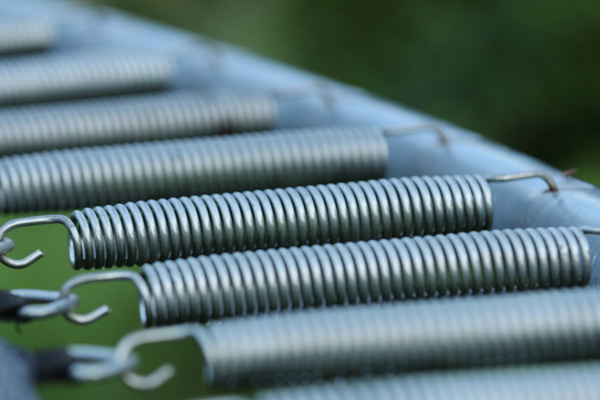
We know that within the elastic limit, the elongation (or contraction) of the spring is proportional to the external force.
2024-05-22
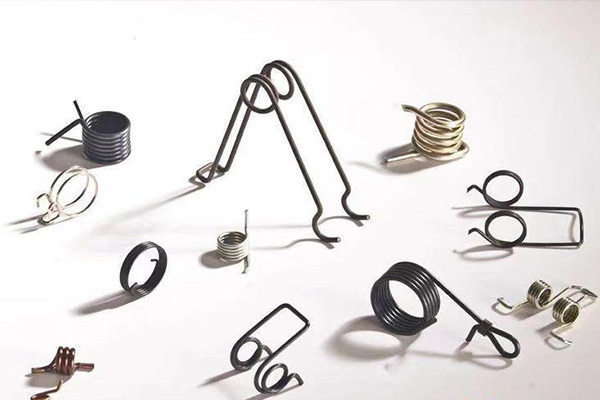
The current pattern of the spring industry
For the spring industry, for a long time, there has been an oversupply of low-grade ordinary springs.
2024-05-22
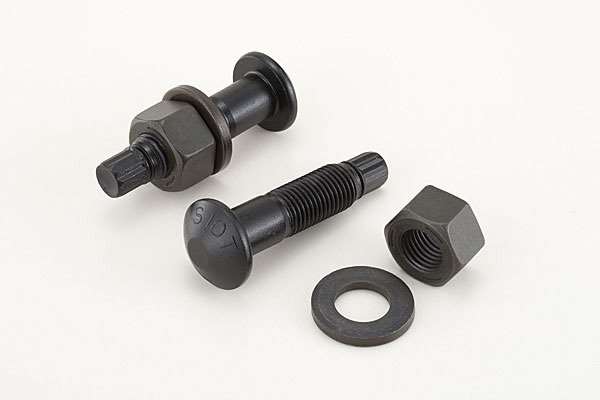
What material is generally used for high-strength bolts?
The upper limit of the tensile strength of the material used in high-strength bolts has a lot to do with the quenching treatment.
2024-05-22


Service E-mail
Service TEL
Address
Handan City, Hebei Province, China
To inquire about our products, please leave your email to us and we will contact you within 24 hours.
