



The Versatility and Applications of Stainless Steel Drill Tail Wire
2026-02-16
Stainless steel drill tail wire is a specialized type of wire that is often utilized in various industries, particularly in the field of fastening and connection components. It is designed to provide superior strength and durability while resisting corrosion, which makes it an excellent choice for a wide range of applications.
One of the primary advantages of stainless steel drill tail wire is its
Stainless steel drill tail wire is a specialized type of wire that is often utilized in various industries, particularly in the field of fastening and connection components. It is designed to provide superior strength and durability while resisting corrosion, which makes it an excellent choice for a wide range of applications.
One of the primary advantages of stainless steel drill tail wire is its resistance to rust and corrosion. This property is due to the high chromium content in stainless steel, which forms a protective layer on the surface of the wire. As a result, stainless steel drill tail wire can withstand exposure to moisture, chemicals, and extreme temperatures, making it ideal for outdoor and industrial environments where other materials might fail.
In addition to its corrosion resistance, stainless steel drill tail wire boasts impressive tensile strength. This means it can withstand significant pulling forces without breaking, making it highly effective for applications that require secure connections. Whether used in construction, manufacturing, or automotive industries, this wire ensures that components remain tightly secured, reducing the risk of failure.
The versatility of stainless steel drill tail wire extends to its range of diameters and configurations. This allows engineers and designers the flexibility to select the appropriate wire size for specific applications. For instance, thinner wires may be used for delicate electronic components, while thicker wires can be employed in heavy-duty applications like structural supports and machinery.
Another critical aspect to consider is the ease of installation. Stainless steel drill tail wire can be easily threaded through various materials, providing quick and efficient fastening solutions. Its compatibility with different types of drilling and fastening tools further enhances its usability in industrial settings.
Moreover, the use of stainless steel drill tail wire contributes to overall project efficiency. Its long-lasting properties reduce the need for frequent replacements, thereby lowering maintenance costs and downtime. This is particularly important in industries where uninterrupted operations are crucial to productivity.
Lastly, when selecting stainless steel drill tail wire, it is essential to consider factors such as wire gauge, tensile strength, and specific application requirements. Understanding these parameters will help ensure the right product is chosen for optimal performance.
In summary, stainless steel drill tail wire is an invaluable component in various industrial applications due to its unique properties, including corrosion resistance, strength, and versatility. Its ease of use and longevity make it a preferred choice for many professionals in the fastening and connection market, ensuring reliability and efficiency in their projects.
One of the primary advantages of stainless steel drill tail wire is its resistance to rust and corrosion. This property is due to the high chromium content in stainless steel, which forms a protective layer on the surface of the wire. As a result, stainless steel drill tail wire can withstand exposure to moisture, chemicals, and extreme temperatures, making it ideal for outdoor and industrial environments where other materials might fail.
In addition to its corrosion resistance, stainless steel drill tail wire boasts impressive tensile strength. This means it can withstand significant pulling forces without breaking, making it highly effective for applications that require secure connections. Whether used in construction, manufacturing, or automotive industries, this wire ensures that components remain tightly secured, reducing the risk of failure.
The versatility of stainless steel drill tail wire extends to its range of diameters and configurations. This allows engineers and designers the flexibility to select the appropriate wire size for specific applications. For instance, thinner wires may be used for delicate electronic components, while thicker wires can be employed in heavy-duty applications like structural supports and machinery.
Another critical aspect to consider is the ease of installation. Stainless steel drill tail wire can be easily threaded through various materials, providing quick and efficient fastening solutions. Its compatibility with different types of drilling and fastening tools further enhances its usability in industrial settings.
Moreover, the use of stainless steel drill tail wire contributes to overall project efficiency. Its long-lasting properties reduce the need for frequent replacements, thereby lowering maintenance costs and downtime. This is particularly important in industries where uninterrupted operations are crucial to productivity.
Lastly, when selecting stainless steel drill tail wire, it is essential to consider factors such as wire gauge, tensile strength, and specific application requirements. Understanding these parameters will help ensure the right product is chosen for optimal performance.
In summary, stainless steel drill tail wire is an invaluable component in various industrial applications due to its unique properties, including corrosion resistance, strength, and versatility. Its ease of use and longevity make it a preferred choice for many professionals in the fastening and connection market, ensuring reliability and efficiency in their projects.
Key words:
RELATED INFORMATION
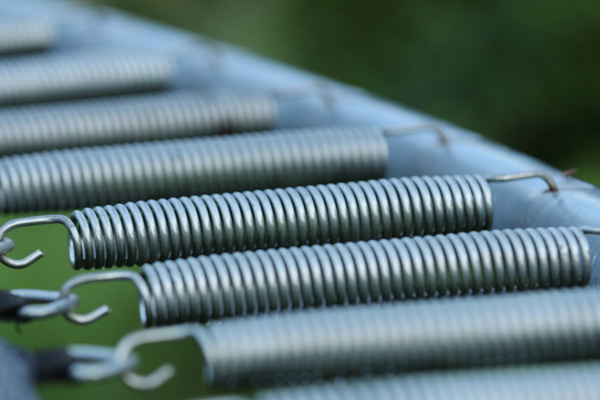
We know that within the elastic limit, the elongation (or contraction) of the spring is proportional to the external force.
2024-05-22
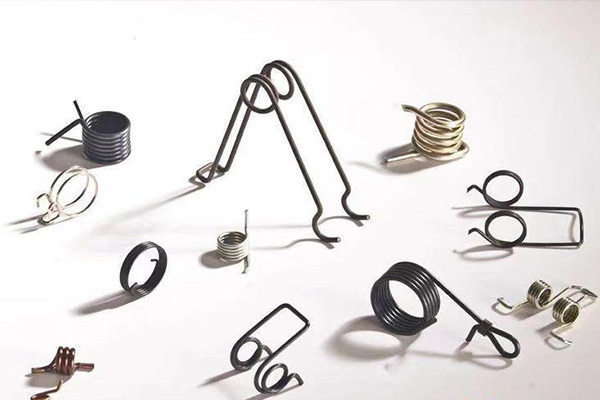
The current pattern of the spring industry
For the spring industry, for a long time, there has been an oversupply of low-grade ordinary springs.
2024-05-22
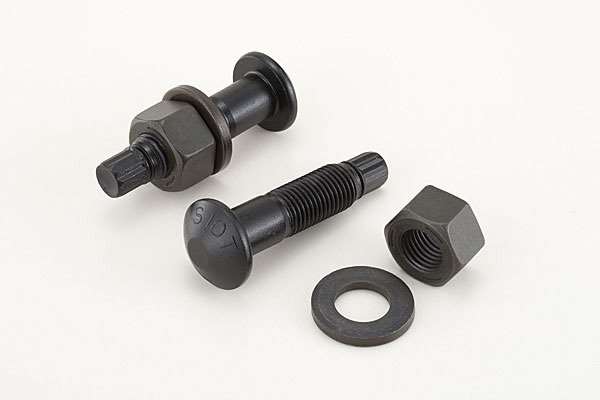
What material is generally used for high-strength bolts?
The upper limit of the tensile strength of the material used in high-strength bolts has a lot to do with the quenching treatment.
2024-05-22


Service E-mail
Service TEL
Address
Handan City, Hebei Province, China
To inquire about our products, please leave your email to us and we will contact you within 24 hours.
