



The Evolution of Stainless Steel Nuts: From Inception to Modern Use
2026-02-19
The Evolution of Stainless Steel Nuts: From Inception to Modern Use
Table of Contents
1. Introduction to Stainless Steel Nuts
2. Historical Background of Fasteners
3. The Rise of Stainless Steel
3.1 Early Development of Stainless Steel
3.2 Key Innovations in Stainless Steel Production
4. Manufacturing Processes of Stainless Steel Nuts
4.1 Cold Heading vs. Hot Forging
4.2 Surface Tr
The Evolution of Stainless Steel Nuts: From Inception to Modern Use
Table of Contents
1. Introduction to Stainless Steel Nuts
2. Historical Background of Fasteners
3. The Rise of Stainless Steel
3.1 Early Development of Stainless Steel
3.2 Key Innovations in Stainless Steel Production
4. Manufacturing Processes of Stainless Steel Nuts
4.1 Cold Heading vs. Hot Forging
4.2 Surface Treatments and Finishing Techniques
5. Applications of Stainless Steel Nuts
5.1 Industrial Uses
5.2 Consumer Products
6. Advantages of Using Stainless Steel Nuts
6.1 Corrosion Resistance
6.2 Strength and Durability
7. Challenges and Future Trends in Stainless Steel Nuts
7.1 Environmental Concerns
7.2 Technological Advancements
8. FAQs About Stainless Steel Nuts
9. Conclusion
1. Introduction to Stainless Steel Nuts
Stainless steel nuts play a crucial role in the assembly and structural integrity of various applications across multiple industries. Their unique properties, such as corrosion resistance and strength, have made them a preferred choice in environments where durability is paramount. In this article, we will delve deep into the evolution of stainless steel nuts, tracing their progression from initial invention to their modern-day applications.
2. Historical Background of Fasteners
Fasteners have been an essential component of construction and manufacturing for centuries. The earliest fasteners were made from wood and bronze, serving basic functions in early structures. As technology progressed, the need for more robust and versatile fastening solutions led to the development of metal fasteners. The introduction of steel revolutionized the fastener industry, paving the way for the future emergence of stainless steel nuts.
3. The Rise of Stainless Steel
The development of stainless steel as a material can be traced back to the early 20th century. This alloy, composed mainly of iron, chromium, and sometimes nickel, was developed to combat corrosion issues that plagued traditional steel.
3.1 Early Development of Stainless Steel
The first patent for stainless steel was granted to Harry Brearley in 1913, leading to an explosive growth in its applications. Brearley's discovery came about when he was searching for a method to create a corrosion-resistant alloy for gun barrels. This marked the inception of what we now know as stainless steel.
3.2 Key Innovations in Stainless Steel Production
Subsequent innovations in stainless steel production, such as the introduction of electric arc furnaces and advancements in metallurgy, allowed for greater control over the composition and properties of stainless steel. This enabled manufacturers to produce various grades of stainless steel, each tailored for specific applications, including the production of stainless steel nuts.
4. Manufacturing Processes of Stainless Steel Nuts
The manufacturing of stainless steel nuts involves several critical processes to ensure that the final product meets the required specifications.
4.1 Cold Heading vs. Hot Forging
Cold heading is a preferred method for producing stainless steel nuts due to its ability to create shapes with minimal waste. The process involves using high-pressure machinery to deform the metal at room temperature. In contrast, hot forging softens the material through heat, allowing for easier shaping. This method is typically used for larger nuts that require additional strength.
4.2 Surface Treatments and Finishing Techniques
After forming, stainless steel nuts undergo various surface treatments and finishing processes to enhance their performance. Techniques such as passivation, which involves treating the surface with acid, help improve corrosion resistance by removing free iron and enhancing the chromium oxide layer that provides protection against corrosion.
5. Applications of Stainless Steel Nuts
Stainless steel nuts are utilized in a wide range of applications, demonstrating their versatility and strength.
5.1 Industrial Uses
In the industrial sector, stainless steel nuts are vital in construction, automotive manufacturing, and machinery assembly. Their high resistance to oxidation and corrosion makes them ideal for use in environments exposed to chemicals, high temperatures, and varying weather conditions.
5.2 Consumer Products
Beyond industrial applications, stainless steel nuts are also found in everyday consumer products, from kitchen appliances to home furnishings. Their aesthetic appeal coupled with durability ensures that they remain a popular choice in the consumer market.
6. Advantages of Using Stainless Steel Nuts
Utilizing stainless steel nuts offers numerous advantages that contribute to their widespread use across various industries.
6.1 Corrosion Resistance
One of the most significant benefits of stainless steel nuts is their exceptional resistance to corrosion. This characteristic is essential for applications in humid, salty, or chemically aggressive environments.
6.2 Strength and Durability
Stainless steel nuts are engineered to withstand significant stress and strain, ensuring the longevity of the structures and devices in which they are used. Their ability to maintain integrity under pressure makes them an ideal choice for critical applications.
7. Challenges and Future Trends in Stainless Steel Nuts
While stainless steel nuts offer many benefits, there are challenges and future trends that manufacturers must consider.
7.1 Environmental Concerns
The production of stainless steel, like many industrial processes, has environmental implications. Manufacturers are increasingly focusing on sustainable practices, including recycling materials and reducing energy consumption during production.
7.2 Technological Advancements
Advancements in technology are paving the way for more efficient manufacturing processes. The use of automation and smart technologies in production lines is expected to improve efficiency and reduce costs associated with stainless steel nut production.
8. FAQs About Stainless Steel Nuts
**Q1: What grades of stainless steel are commonly used for nuts?**
A1: Common grades include 304 and 316, with 316 offering higher corrosion resistance due to its molybdenum content.
**Q2: How do I choose the right stainless steel nut for my application?**
A2: Consider factors such as corrosion resistance, strength requirements, and environmental conditions when selecting a nut.
**Q3: Can stainless steel nuts be used in high-temperature applications?**
A3: Yes, certain grades of stainless steel are designed to withstand high temperatures without losing their mechanical properties.
**Q4: What is the difference between a nut and a bolt?**
A4: A nut is a fastener with a threaded hole that pairs with a bolt, which is a fastener with a shaft and head.
**Q5: Are stainless steel nuts recyclable?**
A5: Yes, stainless steel is highly recyclable, making it an environmentally friendly option for fasteners.
9. Conclusion
The evolution of stainless steel nuts reflects the broader advancements in materials science and manufacturing technologies. Their journey from initial invention to modern applications highlights their importance in ensuring structural integrity across various industries. With continuous advancements and a focus on sustainability, stainless steel nuts will remain a vital component in the fastener market, evolving with the needs of modern society. Embracing the benefits of stainless steel nuts is not just a matter of choice; it is a commitment to quality, durability, and innovation.
Key words:
RELATED INFORMATION
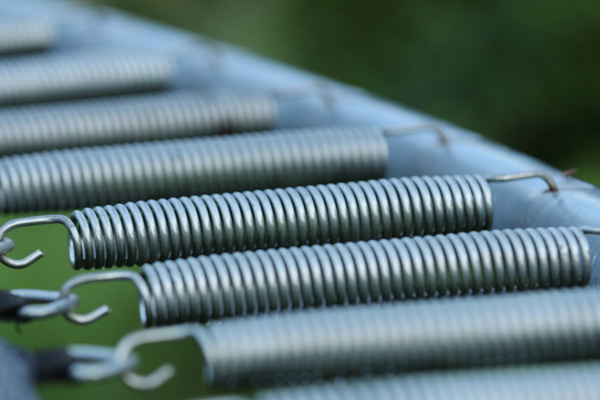
We know that within the elastic limit, the elongation (or contraction) of the spring is proportional to the external force.
2024-05-22
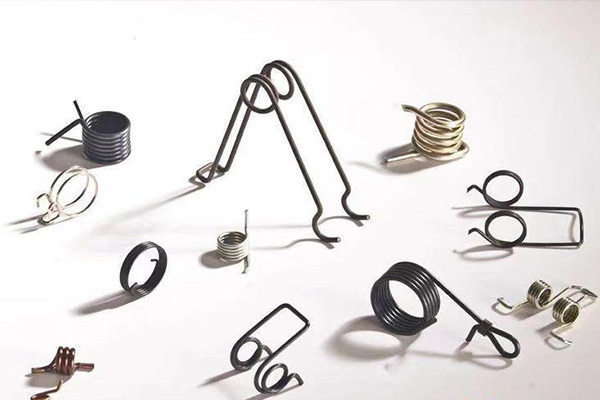
The current pattern of the spring industry
For the spring industry, for a long time, there has been an oversupply of low-grade ordinary springs.
2024-05-22
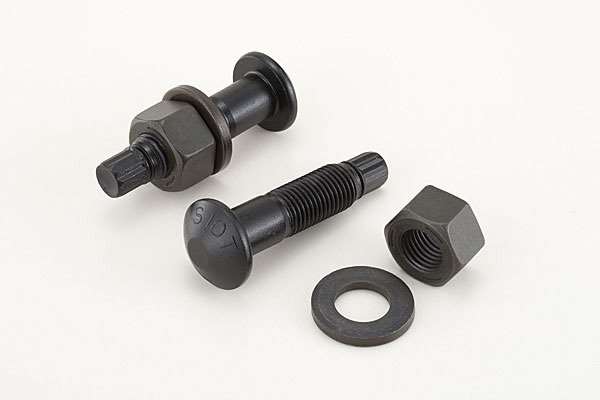
What material is generally used for high-strength bolts?
The upper limit of the tensile strength of the material used in high-strength bolts has a lot to do with the quenching treatment.
2024-05-22


Service E-mail
Service TEL
Address
Handan City, Hebei Province, China
To inquire about our products, please leave your email to us and we will contact you within 24 hours.
