



Exploring the Cost-Effectiveness of Stainless Steel Nuts: A Comprehensive Guide
2026-02-13
Exploring the Cost-Effectiveness of Stainless Steel Nuts
Table of Contents
1. Introduction to Stainless Steel Nuts
2. Understanding Cost-Effectiveness in Industrial Fasteners
3. Material Properties of Stainless Steel Nuts
3.1 Corrosion Resistance
3.2 Strength and Durability
3.3 Thermal Properties
4. Different Types of Stainless
Exploring the Cost-Effectiveness of Stainless Steel Nuts
Table of Contents
- 1. Introduction to Stainless Steel Nuts
- 2. Understanding Cost-Effectiveness in Industrial Fasteners
- 3. Material Properties of Stainless Steel Nuts
- 4. Different Types of Stainless Steel Nuts
- 5. Applications of Stainless Steel Nuts in Various Industries
- 6. Cost Analysis of Stainless Steel Nuts
- 7. Sustainability and Environmental Impact
- 8. Conclusion
- 9. Frequently Asked Questions (FAQs)
1. Introduction to Stainless Steel Nuts
The world of industrial fasteners is vast, with various materials and designs tailored to meet specific needs. Among these options, **stainless steel nuts** have gained significant popularity due to their unique properties and cost-effectiveness. These fasteners serve as essential components in various applications, providing reliable connection points in machinery and structures. In this article, we will delve deep into the cost-effectiveness of stainless steel nuts, examining their material properties, types, applications, and overall value in the industrial setting.
2. Understanding Cost-Effectiveness in Industrial Fasteners
Cost-effectiveness is a critical concern in any industrial setup. It refers to the relationship between the benefits derived from a product and the expenses incurred in its procurement and maintenance. For stainless steel nuts, several factors contribute to their cost-effectiveness, including initial purchase price, durability, and maintenance requirements.
In evaluating cost-effectiveness, we must consider both the **short-term and long-term** benefits of using stainless steel nuts. While the initial cost may be higher than alternative materials, their longevity and reduced need for replacement can lead to significant savings over time.
3. Material Properties of Stainless Steel Nuts
Understanding the material properties of stainless steel is crucial in appreciating its advantages as a nut material. Stainless steel is a versatile alloy that combines iron with chromium, nickel, and other elements to enhance its properties. This section explores the key properties that make stainless steel nuts a preferred choice.
3.1 Corrosion Resistance
One of the standout features of stainless steel is its **remarkable corrosion resistance**. The presence of chromium in the alloy forms a passive layer of chromium oxide on the surface, preventing rust and degradation. This property is particularly beneficial in environments exposed to moisture, chemicals, or extreme temperatures, making stainless steel nuts ideal for marine, chemical, and outdoor applications.
3.2 Strength and Durability
**Strength** is another vital characteristic of stainless steel nuts. They possess excellent tensile strength, allowing them to withstand high levels of stress and load without deforming or breaking. This durability translates into fewer replacements and repairs, further enhancing their cost-effectiveness over time.
3.3 Thermal Properties
Stainless steel also exhibits favorable **thermal properties**, maintaining its integrity under varying temperatures. This characteristic is crucial in applications involving heat, ensuring that the nuts retain their performance characteristics even under demanding conditions.
4. Different Types of Stainless Steel Nuts
When choosing stainless steel nuts, it is essential to select the type that best suits the application. Below are some common types of stainless steel nuts, each with unique features and uses.
4.1 Hex Nuts
**Hex nuts** are perhaps the most widely used type of nut in industrial applications. Their six-sided design allows for easy grip and tightening with standard tools. Suitable for various applications, hex nuts provide a strong connection and are available in numerous sizes and grades.
4.2 Lock Nuts
**Lock nuts** are designed to prevent loosening during vibration or movement. They feature a mechanism that enhances their grip on the bolt, making them ideal for applications in heavy machinery, automotive, and aerospace industries.
4.3 Wing Nuts
**Wing nuts** are unique for their manual tightening feature. With two "wings" that allow easy hand operation, they are often used in applications where frequent adjustments are necessary, such as in light fixtures and temporary structures.
5. Applications of Stainless Steel Nuts in Various Industries
Stainless steel nuts find applications across diverse sectors due to their durability and resistance properties. Here are some key industries that benefit from their use:
- **Construction**: In the construction industry, stainless steel nuts are used in structural applications, ensuring safety and longevity.
- **Automotive**: The automotive sector utilizes stainless steel nuts for various components, providing reliable performance under extreme conditions.
- **Marine**: Boats and ships rely on stainless steel nuts to resist corrosion from saltwater, ensuring a longer lifespan for vital components.
- **Food Processing**: In food processing environments, where hygiene is paramount, stainless steel nuts provide a non-corrosive and easy-to-clean option.
6. Cost Analysis of Stainless Steel Nuts
Understanding the financial implications of using stainless steel nuts involves a thorough cost analysis. This section breaks down initial costs versus long-term savings.
6.1 Initial Costs vs. Long-Term Savings
While the **initial costs** of stainless steel nuts can be higher compared to other materials like carbon steel, their durability leads to lower replacement rates. Over time, the total cost of ownership diminishes as the need for replacements decreases, making stainless steel a more economically viable option in the long run.
6.2 Maintenance Costs
Maintenance costs play a significant role in cost-effectiveness. Stainless steel nuts require minimal maintenance compared to other materials that may corrode or degrade over time. This reduced maintenance translates into significant savings, especially in large-scale industrial operations.
7. Sustainability and Environmental Impact
In today's industrial landscape, sustainability has become a crucial factor in material selection. Stainless steel is not only durable but also highly recyclable. This means that when stainless steel nuts reach the end of their life cycle, they can be repurposed, contributing to a circular economy. Choosing stainless steel nuts aligns with environmentally-friendly practices, making them a responsible choice for modern industries.
8. Conclusion
In conclusion, the cost-effectiveness of stainless steel nuts stems from their unique properties, versatility, and long-term savings. While the initial investment may be higher, the durability, corrosion resistance, and minimal maintenance required make them a superior choice for various industrial applications. By understanding the benefits and applications of stainless steel nuts, industries can make informed decisions that not only enhance operational efficiency but also contribute to sustainability.
9. Frequently Asked Questions (FAQs)
1. What are the main advantages of using stainless steel nuts?
Stainless steel nuts offer superior corrosion resistance, strength, durability, and minimal maintenance requirements.
2. Are stainless steel nuts more expensive than other types?
Yes, stainless steel nuts generally have a higher initial cost compared to materials like carbon steel, but they offer long-term savings due to their durability.
3. Can stainless steel nuts be used in marine environments?
Absolutely. Stainless steel nuts are ideal for marine environments due to their excellent corrosion resistance against saltwater.
4. How do I choose the right type of stainless steel nut for my application?
Consider the specific requirements of your application, including load capacity, environmental conditions, and whether you need features like locking mechanisms for vibration resistance.
5. Are stainless steel nuts recyclable?
Yes, stainless steel is highly recyclable, making it an environmentally sustainable option for industrial applications.
Incorporating stainless steel nuts into your industrial projects can lead to significant benefits, making them a preferred choice for many professionals in various industries.
Key words:
RELATED INFORMATION
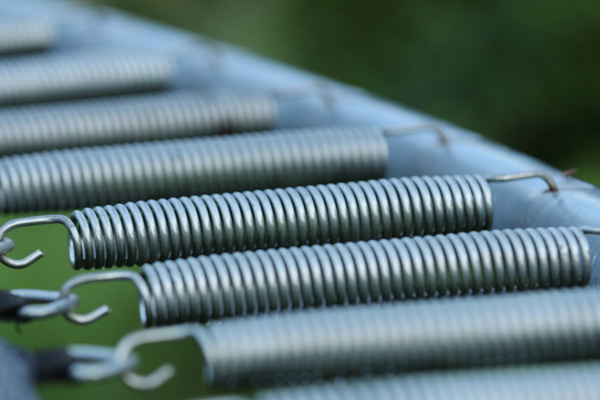
We know that within the elastic limit, the elongation (or contraction) of the spring is proportional to the external force.
2024-05-22
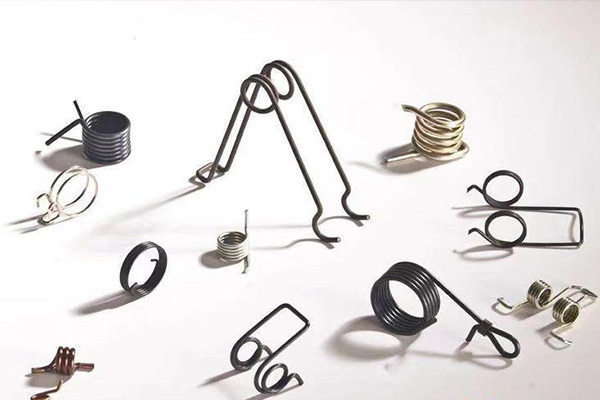
The current pattern of the spring industry
For the spring industry, for a long time, there has been an oversupply of low-grade ordinary springs.
2024-05-22
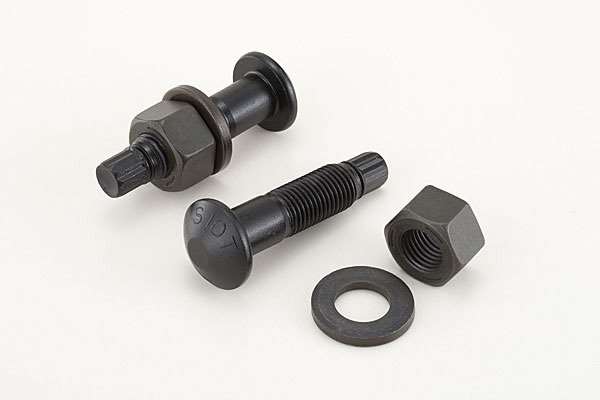
What material is generally used for high-strength bolts?
The upper limit of the tensile strength of the material used in high-strength bolts has a lot to do with the quenching treatment.
2024-05-22


Service E-mail
Service TEL
Address
Handan City, Hebei Province, China
To inquire about our products, please leave your email to us and we will contact you within 24 hours.
