



Understanding Stainless Steel Expansion: Critical Insights for Industrial Applications
2026-02-12
Stainless steel is widely recognized for its durability and resistance to corrosion, making it a preferred choice in various industrial applications, including fasteners and connectors. However, one crucial aspect that professionals must consider is stainless steel expansion. This phenomenon occurs due to temperature fluctuations, and it can significantly affect the performance and integrity of co
Stainless steel is widely recognized for its durability and resistance to corrosion, making it a preferred choice in various industrial applications, including fasteners and connectors. However, one crucial aspect that professionals must consider is stainless steel expansion. This phenomenon occurs due to temperature fluctuations, and it can significantly affect the performance and integrity of components in various settings.
The expansion of stainless steel is primarily driven by thermal changes. As the temperature rises, the metal expands, and when it cools, it contracts. This natural thermal expansion can lead to a range of issues, especially in tightly assembled structures. For example, if components are not designed to accommodate this expansion, it can result in increased stress on the joints, leading to premature failure or malfunction.
In the context of fasteners and connectors, understanding stainless steel expansion is vital for ensuring structural integrity. Engineers and designers must account for the coefficients of thermal expansion of stainless steel when selecting materials and designing assemblies. The coefficient of thermal expansion for stainless steel typically ranges between 16 to 20 x 10^-6 /°C, varying depending on the specific alloy. This range highlights the importance of material selection and assembly design in mitigating the risks associated with thermal expansion.
To address the challenges posed by stainless steel expansion, several strategies can be implemented. One effective approach is to incorporate expansion joints or flexible connections in assemblies. These components allow for the necessary movement due to thermal changes, thereby reducing stress on fixed joints. Additionally, using appropriate fastening techniques, such as applying a slight preload or using locking mechanisms, can help maintain joint integrity despite temperature variations.
Another crucial consideration is the environmental conditions in which the stainless steel components will operate. Factors such as humidity, exposure to chemicals, and cyclical temperature variations can all influence the expansion characteristics of stainless steel. Therefore, conducting thorough environmental assessments and simulations during the design phase can provide insights into potential expansion-related issues.
In summary, comprehending stainless steel expansion is essential for professionals in the industrial equipment and components sector, particularly concerning fasteners and connectors. By recognizing the implications of thermal expansion and employing effective design strategies, engineers can enhance the reliability and durability of their systems. Understanding this fundamental concept will ultimately lead to better performance and safety in various industrial applications.
The expansion of stainless steel is primarily driven by thermal changes. As the temperature rises, the metal expands, and when it cools, it contracts. This natural thermal expansion can lead to a range of issues, especially in tightly assembled structures. For example, if components are not designed to accommodate this expansion, it can result in increased stress on the joints, leading to premature failure or malfunction.
In the context of fasteners and connectors, understanding stainless steel expansion is vital for ensuring structural integrity. Engineers and designers must account for the coefficients of thermal expansion of stainless steel when selecting materials and designing assemblies. The coefficient of thermal expansion for stainless steel typically ranges between 16 to 20 x 10^-6 /°C, varying depending on the specific alloy. This range highlights the importance of material selection and assembly design in mitigating the risks associated with thermal expansion.
To address the challenges posed by stainless steel expansion, several strategies can be implemented. One effective approach is to incorporate expansion joints or flexible connections in assemblies. These components allow for the necessary movement due to thermal changes, thereby reducing stress on fixed joints. Additionally, using appropriate fastening techniques, such as applying a slight preload or using locking mechanisms, can help maintain joint integrity despite temperature variations.
Another crucial consideration is the environmental conditions in which the stainless steel components will operate. Factors such as humidity, exposure to chemicals, and cyclical temperature variations can all influence the expansion characteristics of stainless steel. Therefore, conducting thorough environmental assessments and simulations during the design phase can provide insights into potential expansion-related issues.
In summary, comprehending stainless steel expansion is essential for professionals in the industrial equipment and components sector, particularly concerning fasteners and connectors. By recognizing the implications of thermal expansion and employing effective design strategies, engineers can enhance the reliability and durability of their systems. Understanding this fundamental concept will ultimately lead to better performance and safety in various industrial applications.
Key words:
RELATED INFORMATION
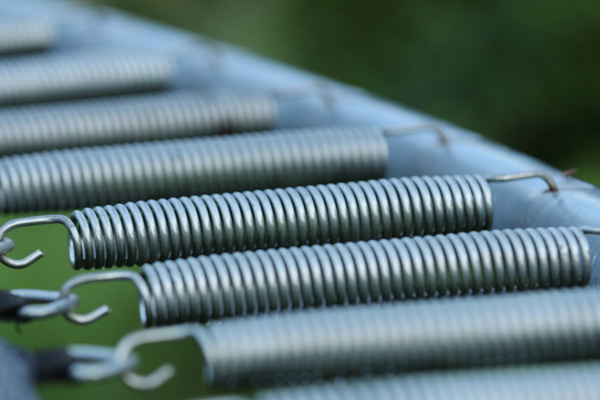
We know that within the elastic limit, the elongation (or contraction) of the spring is proportional to the external force.
2024-05-22
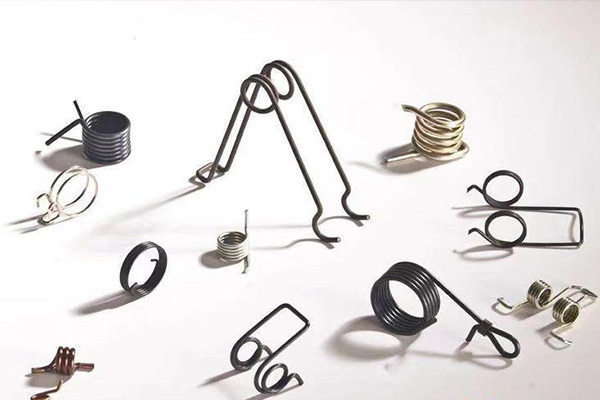
The current pattern of the spring industry
For the spring industry, for a long time, there has been an oversupply of low-grade ordinary springs.
2024-05-22
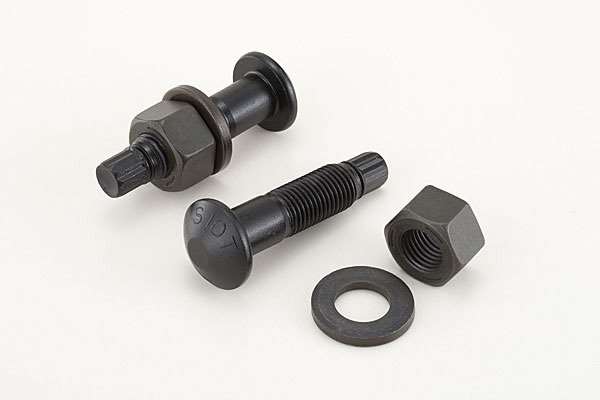
What material is generally used for high-strength bolts?
The upper limit of the tensile strength of the material used in high-strength bolts has a lot to do with the quenching treatment.
2024-05-22


Service E-mail
Service TEL
Address
Handan City, Hebei Province, China
To inquire about our products, please leave your email to us and we will contact you within 24 hours.
