



Stainless Steel Pins: Crafting Solutions for Harsh Environments
2026-02-11
Stainless Steel Pins: Crafting Solutions for Harsh Environments
Table of Contents
1. Introduction to Stainless Steel Pins
2. What Are Stainless Steel Pins?
3. Types of Stainless Steel Pins
3.1 Dowel Pins
3.2 Cotter Pins
3.3 Spring Pins
3.4 Taper Pins
4. Benefits of Using Stainless Steel Pins
5. Applications of Stainless Steel Pins
6. Challenges in Har
Stainless Steel Pins: Crafting Solutions for Harsh Environments
Table of Contents
- 1. Introduction to Stainless Steel Pins
- 2. What Are Stainless Steel Pins?
- 3. Types of Stainless Steel Pins
- 4. Benefits of Using Stainless Steel Pins
- 5. Applications of Stainless Steel Pins
- 6. Challenges in Harsh Environments
- 7. Engineering and Design Considerations
- 8. Maintenance and Care for Stainless Steel Pins
- 9. Conclusion
- 10. FAQs
1. Introduction to Stainless Steel Pins
Stainless steel pins are integral components in various industrial applications, particularly in environments that are abrasive, corrosive, or subject to extreme temperature fluctuations. Their reliability and strength make them indispensable across multiple sectors, including manufacturing, construction, and automotive. In this article, we delve into the types, benefits, applications, and design considerations of stainless steel pins, providing a holistic view of why they are the go-to choice for harsh environments.
2. What Are Stainless Steel Pins?
Stainless steel pins are cylindrical fasteners constructed from stainless steel, known for its corrosion-resistant properties. These pins can vary in length, diameter, and design, serving multiple functions, from alignment to securing components in machinery. The robust nature of stainless steel ensures that these pins maintain their integrity even when exposed to the most demanding conditions.
3. Types of Stainless Steel Pins
Understanding the different types of stainless steel pins is crucial for choosing the right fastener for your application. Each type serves a unique purpose and offers specific advantages.
3.1 Dowel Pins
Dowel pins are straight, cylindrical rods used primarily for alignment and location in machinery. They play a vital role in maintaining the precise positioning of components, ensuring that assemblies fit together seamlessly. Made from high-grade stainless steel, these pins are resistant to rust and wear, which makes them ideal for high-pressure applications.
3.2 Cotter Pins
Cotter pins are bent pins that secure two or more components together, preventing them from loosening under stress. Their unique design allows for easy installation and removal, making them popular in automotive and machinery applications. The use of stainless steel enhances their durability, making them suitable for environments exposed to moisture and chemicals.
3.3 Spring Pins
Spring pins, also known as roll pins, are designed to compress slightly during insertion, providing a tight fit. This feature makes them effective in applications where vibration and movement could lead to loosening. The elasticity of stainless steel ensures that these pins maintain their shape and strength over time, even in extreme conditions.
3.4 Taper Pins
Taper pins are conical in shape and are used primarily to secure components tightly together. Their tapered design allows for easy insertion and removal while providing a strong grip. The corrosion resistance of stainless steel makes taper pins particularly well-suited for applications in marine environments or other corrosive settings.
4. Benefits of Using Stainless Steel Pins
The use of stainless steel pins offers numerous advantages that enhance the performance and durability of machinery and equipment. Here are the key benefits:
Corrosion Resistance
One of the most significant benefits of stainless steel pins is their exceptional resistance to corrosion. This property makes them ideal for use in environments with exposure to moisture, chemicals, and extreme temperatures.
Durability
Stainless steel pins are incredibly durable, withstanding high levels of stress and strain without compromising their structural integrity. This durability leads to longer service life and lower replacement costs.
High Strength-to-Weight Ratio
Stainless steel offers a superior strength-to-weight ratio, making it possible to use thinner pins without sacrificing performance. This characteristic is particularly important in applications where weight reduction is critical.
Versatility
Stainless steel pins come in various shapes and sizes, making them versatile for multiple applications. Whether used for assembly, alignment, or securing components, they can meet diverse requirements.
Easy to Maintain
The smooth surface of stainless steel pins allows for easy cleaning and maintenance, reducing downtime in industrial settings. Their resistance to rust also means fewer maintenance interventions are needed over time.
5. Applications of Stainless Steel Pins
Stainless steel pins find use in a wide range of applications across various industries. Some notable areas include:
Aerospace
In the aerospace industry, stainless steel pins are essential for securing components that must endure extreme pressure and temperature changes. Their lightweight yet robust nature is critical for aircraft performance.
Automotive
The automotive sector relies heavily on stainless steel pins for securing parts within engines, transmissions, and suspensions. Their corrosion resistance ensures longevity, even in harsh driving conditions.
Construction
In construction, stainless steel pins are used for anchoring and securing structural components. Their durability ensures that buildings and structures remain stable and resilient over time.
Marine
The marine industry benefits from stainless steel pins due to their resistance to saltwater corrosion. These pins are crucial in securing components in boats and ships, where exposure to water is constant.
Industrial Machinery
Stainless steel pins are widely used in industrial machinery, where alignment and securing of components are critical for efficient operation. Their strength and reliability contribute to the overall performance of machines.
6. Challenges in Harsh Environments
While stainless steel pins offer many benefits, they are not without challenges, especially in harsh environments. Here are some common issues:
Wear and Tear
In high-friction applications, stainless steel pins may experience wear over time. Regular monitoring and maintenance can help mitigate this issue.
Environmental Exposure
Stainless steel is generally corrosion-resistant but can still be susceptible to certain chemicals. It's essential to choose the right grade of stainless steel for specific applications to ensure maximum protection.
Temperature Fluctuations
Extreme temperature changes can affect the structural integrity of stainless steel pins. Engineers must consider thermal expansion and contraction when designing assemblies.
7. Engineering and Design Considerations
When selecting stainless steel pins for your application, several engineering and design factors should be taken into account:
Material Grade
Choosing the correct grade of stainless steel is crucial. For example, 304 stainless steel is suitable for most applications, while 316 stainless steel offers superior corrosion resistance for marine environments.
Pin Diameter and Length
The size of the pin must match the application requirements. Larger pins typically offer more strength but can add weight, which may not be desirable in every context.
Surface Finish
The surface finish of stainless steel pins can influence their performance. A smooth finish can reduce friction and wear, while a textured finish can provide better grip.
8. Maintenance and Care for Stainless Steel Pins
Proper maintenance and care are essential to ensure the longevity and performance of stainless steel pins:
Regular Inspection
Routine inspections can identify wear and potential failure points before they become serious issues. Keeping an eye on pin condition is vital in maintaining machinery.
Cleaning
Keeping stainless steel pins clean prevents the accumulation of debris that can cause wear. A simple wash with soap and water, followed by thorough drying, is often sufficient.
Lubrication
In high-friction applications, adding lubrication can help reduce wear on stainless steel pins, extending their lifespan and improving performance.
9. Conclusion
Stainless steel pins are a vital component in various industries, providing reliable solutions for harsh environments. Their unique properties, including corrosion resistance, durability, and versatility, make them indispensable in applications ranging from aerospace to marine. By understanding the different types of stainless steel pins, their benefits, and the challenges they may face, engineers and designers can make informed decisions that enhance the performance and longevity of their projects.
10. FAQs
What are the main types of stainless steel pins?
The main types include dowel pins, cotter pins, spring pins, and taper pins, each serving different applications.
Why should I choose stainless steel pins over other materials?
Stainless steel pins offer superior corrosion resistance, durability, and a high strength-to-weight ratio compared to other materials.
Can stainless steel pins be used in marine environments?
Yes, stainless steel pins, particularly those made from 316 stainless steel, are ideal for marine applications due to their excellent resistance to saltwater corrosion.
How often should stainless steel pins be inspected?
Regular inspections should be part of a maintenance routine, ideally every few months, depending on the application and environment.
What maintenance is required for stainless steel pins?
Maintenance includes regular inspection, cleaning, and lubrication when necessary to reduce wear and extend their lifespan.
Key words:
RELATED INFORMATION
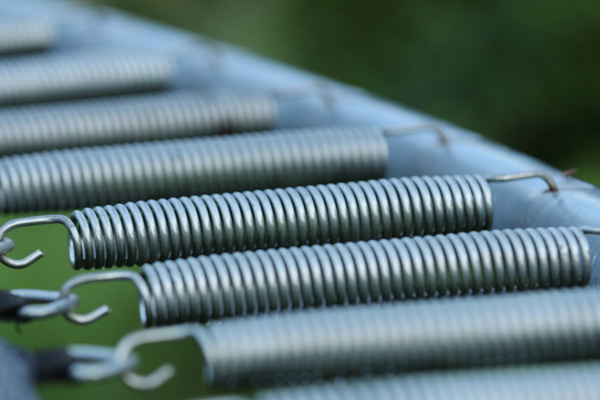
We know that within the elastic limit, the elongation (or contraction) of the spring is proportional to the external force.
2024-05-22
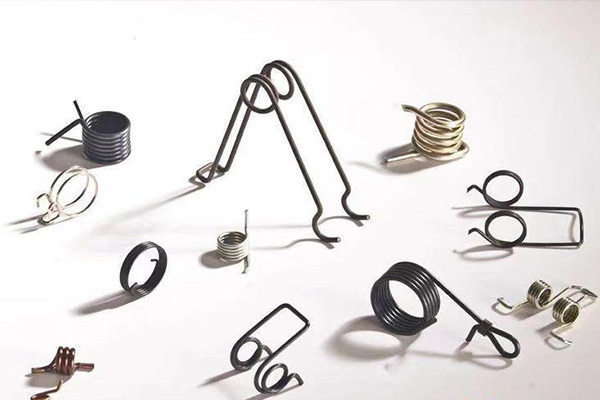
The current pattern of the spring industry
For the spring industry, for a long time, there has been an oversupply of low-grade ordinary springs.
2024-05-22
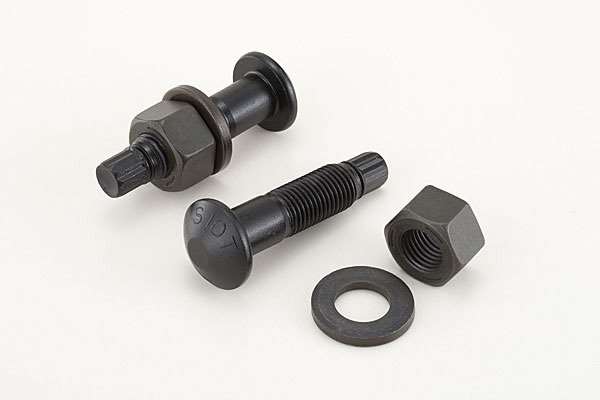
What material is generally used for high-strength bolts?
The upper limit of the tensile strength of the material used in high-strength bolts has a lot to do with the quenching treatment.
2024-05-22


Service E-mail
Service TEL
Address
Handan City, Hebei Province, China
To inquire about our products, please leave your email to us and we will contact you within 24 hours.
