



How to Avoid Common Mistakes When Using Stainless Steel Pins: Your Comprehensive Guide
2026-02-05
How to Avoid Common Mistakes When Using Stainless Steel Pins
Table of Contents
Introduction to Stainless Steel Pins
Understanding Stainless Steel Pins
Common Mistakes When Using Stainless Steel Pins
1. Ignoring Material Compatibility
2. Using Incorrect Sizes
3. Neglecting Corrosion Resistance
4. Failing to Consider Load-Bearing
How to Avoid Common Mistakes When Using Stainless Steel Pins
Table of Contents
- Introduction to Stainless Steel Pins
- Understanding Stainless Steel Pins
- Common Mistakes When Using Stainless Steel Pins
- 1. Ignoring Material Compatibility
- 2. Using Incorrect Sizes
- 3. Neglecting Corrosion Resistance
- 4. Failing to Consider Load-Bearing Capacity
- Best Practices for Using Stainless Steel Pins
- 1. Selecting the Right Grade
- 2. Ensuring Proper Installation Techniques
- 3. Regular Maintenance and Inspection
- Applications of Stainless Steel Pins
- Conclusion
- FAQs
Introduction to Stainless Steel Pins
Stainless steel pins are versatile fasteners used in a variety of applications, from construction and automotive to home improvement projects. Their strength, durability, and resistance to corrosion make them an excellent choice for both professional and DIY tasks. However, to maximize their benefits, it's crucial to understand how to use them correctly and avoid common mistakes that can lead to failures or inefficiencies.
This guide aims to provide comprehensive insights into the common pitfalls associated with stainless steel pins and how to steer clear of them. By following best practices and learning from the mistakes of others, you can ensure that your projects utilizing stainless steel pins are successful and long-lasting.
Understanding Stainless Steel Pins
Stainless steel pins come in various forms, including dowel pins, cotter pins, and hitch pins, each serving a specific purpose in fastening or securing components. The composition of stainless steel often includes elements like chromium, nickel, and molybdenum, which enhance its resistance to oxidation and corrosion.
Knowing the properties of stainless steel can help you select the right pin for your project. The grade of stainless steel you choose affects its strength, corrosion resistance, and suitability for different environments. Common grades include 304 and 316, with 316 offering superior resistance in marine environments due to its higher nickel content.
Common Mistakes When Using Stainless Steel Pins
Even experienced professionals can encounter issues when using stainless steel pins. Awareness of these common mistakes can greatly reduce the risk of failure.
1. Ignoring Material Compatibility
One major error is overlooking the compatibility of materials. When combining stainless steel pins with other metals, there is a risk of galvanic corrosion, which occurs when dissimilar metals are in contact in the presence of an electrolyte. This can lead to premature failure of the pins. Always ensure that the materials you are using together are compatible to avoid corrosion-related issues.
2. Using Incorrect Sizes
Another frequent mistake is using the wrong size of stainless steel pins. A pin that is too small can fail to secure components adequately, while a pin that is too large can cause structural damage. It’s critical to measure accurately and select pins that correspond to the specific application requirements.
3. Neglecting Corrosion Resistance
Not all stainless steel pins are created equal when it comes to corrosion resistance. Using a lower grade stainless steel pin in a corrosive environment can lead to rust and degradation. Always consider the operating environment and choose pins that provide the necessary resistance to moisture, chemicals, and other corrosive agents.
4. Failing to Consider Load-Bearing Capacity
Understanding the load-bearing capacity of stainless steel pins is essential. Using pins beyond their specified load limits can lead to failure. Always consult the manufacturer's specifications and ensure that the chosen pins can handle the expected loads in your application.
Best Practices for Using Stainless Steel Pins
To avoid the aforementioned mistakes and enhance the effectiveness of your stainless steel pins, consider adopting these best practices.
1. Selecting the Right Grade
Choosing the appropriate grade of stainless steel is vital. For most applications, 304 stainless steel is sufficient; however, in marine or highly corrosive environments, 316 stainless steel is the better choice. Assess the environmental factors and select the grade that ensures optimal performance.
2. Ensuring Proper Installation Techniques
Installation techniques play a significant role in the performance of stainless steel pins. Ensure that pins are inserted straight and seated correctly to avoid structural issues. Utilizing the right tools and techniques will contribute to a secure and reliable fastening.
3. Regular Maintenance and Inspection
Regularly inspect your stainless steel pins for signs of wear, corrosion, or damage. Early detection of issues allows for timely replacements or repairs, enhancing the longevity of your projects. Establish a routine maintenance schedule to ensure that your pins remain in optimal condition.
Applications of Stainless Steel Pins
Stainless steel pins find their way into various applications, showcasing their versatility. Here are a few common uses:
- **Automotive Industry**: Securing components in vehicles to ensure safety and performance.
- **Construction**: Used in scaffolding and structural frames where durability is paramount.
- **Manufacturing**: Essential in assembly lines for holding parts together securely.
- **Home Improvement**: From furniture assembly to DIY projects, they provide reliable fastening solutions.
Every application requires careful consideration of the pin type, size, and grade, ensuring that each component functions effectively.
Conclusion
Using stainless steel pins correctly can significantly impact the success of your projects. By avoiding common mistakes such as material incompatibility, incorrect sizing, neglecting corrosion resistance, and failing to consider load-bearing capacities, you can enhance the performance and longevity of your fasteners.
By adopting best practices like selecting the right grade, ensuring proper installation, and maintaining regular inspections, you can ensure your stainless steel pins perform optimally in every application. With the right knowledge and approach, you can confidently utilize stainless steel pins to achieve secure, durable, and reliable results in your endeavors.
FAQs
1. What are the most common grades of stainless steel used for pins?
The most common grades are 304 and 316. 304 is suitable for general use, while 316 offers enhanced corrosion resistance in harsh environments.
2. How do I know which size pin to use?
Measure the components to be fastened and consult the manufacturer's guidelines to select the appropriate pin size.
3. Can stainless steel pins be used in outdoor applications?
Yes, but ensure you select a corrosion-resistant grade like 316 for prolonged outdoor use.
4. What signs indicate a stainless steel pin should be replaced?
Look for signs of corrosion, wear, or deformation. Regular inspections will help identify these issues early.
5. Is it possible to reuse stainless steel pins?
Reusing pins is possible if they show no signs of damage or wear. However, inspect them thoroughly before reuse.
By following the guidelines and advice in this article, you will be well-equipped to avoid common mistakes and utilize stainless steel pins effectively in your projects.
Key words:
RELATED INFORMATION
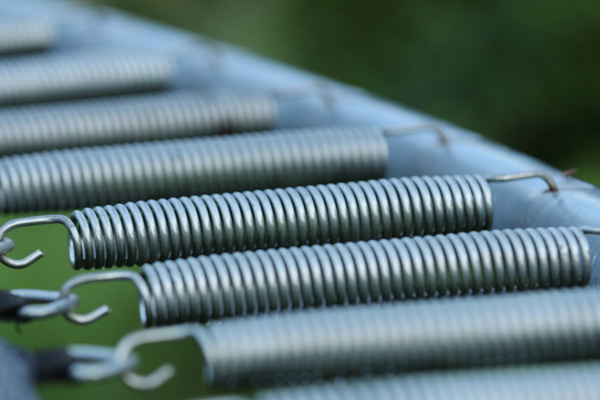
We know that within the elastic limit, the elongation (or contraction) of the spring is proportional to the external force.
2024-05-22
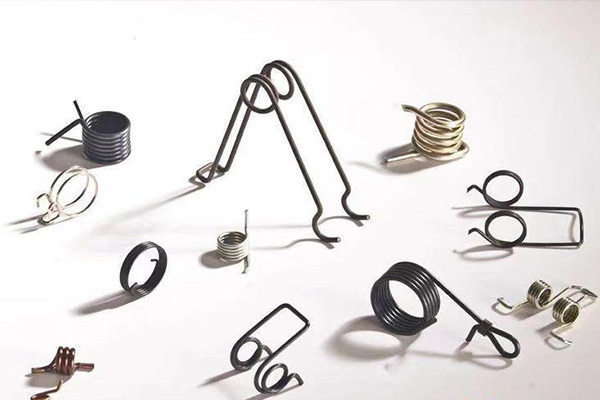
The current pattern of the spring industry
For the spring industry, for a long time, there has been an oversupply of low-grade ordinary springs.
2024-05-22
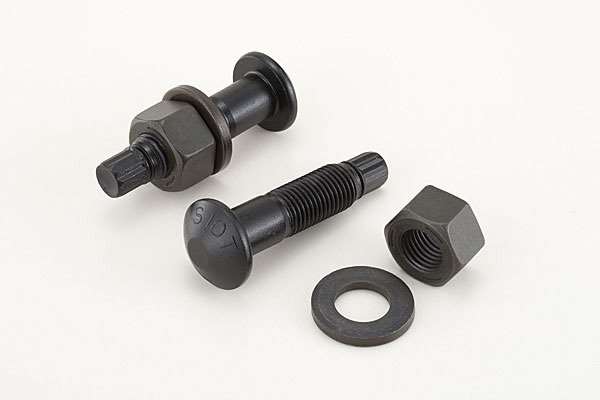
What material is generally used for high-strength bolts?
The upper limit of the tensile strength of the material used in high-strength bolts has a lot to do with the quenching treatment.
2024-05-22


Service E-mail
Service TEL
Address
Handan City, Hebei Province, China
To inquire about our products, please leave your email to us and we will contact you within 24 hours.
