



Understanding Stainless Steel Drill Tail Wires: Essential Insights for Industrial Applications
2026-02-04
Stainless steel drill tail wires are crucial components in various industrial applications, particularly in the field of fastening and connecting devices. These wires, often used in conjunction with drill bits, play a significant role in ensuring precise and secure connections across a range of materials. Understanding their properties and advantages is essential for professionals in the industria
Stainless steel drill tail wires are crucial components in various industrial applications, particularly in the field of fastening and connecting devices. These wires, often used in conjunction with drill bits, play a significant role in ensuring precise and secure connections across a range of materials. Understanding their properties and advantages is essential for professionals in the industrial sector.
One of the primary benefits of stainless steel drill tail wires is their corrosion resistance. Stainless steel inherently possesses a chromium coating that protects against rust and other forms of corrosion. This feature makes them ideal for use in environments where moisture or chemicals may be present, ensuring longevity and reliability in industrial applications. By choosing stainless steel drill tail wires, manufacturers and engineers can minimize maintenance needs and enhance the durability of their products.
Moreover, stainless steel drill tail wires exhibit excellent strength and tensile properties. This enables them to withstand high levels of stress and strain, making them suitable for heavy-duty applications. Their robust nature allows them to maintain integrity under pressure, which is essential when dealing with critical fastening tasks. Whether used in construction, automotive assembly, or machinery, these wires provide the necessary strength to ensure safety and effectiveness.
Another important aspect to consider is the ease of installation. Stainless steel drill tail wires are designed to be user-friendly, allowing for quick and efficient assembly. Their compatibility with various drill bits and fastening systems means they can be seamlessly integrated into existing processes, reducing downtime and enhancing productivity. This ease of use is a significant advantage for industries looking to optimize their operational efficiency.
In addition to their physical properties, stainless steel drill tail wires can also be customized to meet specific requirements. This flexibility in design ensures that industries can obtain the exact dimensions and features they need for their unique applications. Customization can include variations in diameter, length, and coating, allowing businesses to tailor their resources to fit particular projects.
Finally, it is important to consider the environmental impact of using stainless steel. This material is highly recyclable, making it a sustainable choice for industries aiming to reduce their carbon footprint. By opting for stainless steel drill tail wires, companies can contribute to a circular economy and promote environmentally responsible practices in manufacturing.
In summary, stainless steel drill tail wires are indispensable components in the industrial equipment and fastening sector. Their corrosion resistance, strength, ease of installation, customization options, and environmental benefits make them a superior choice for a wide range of applications. Understanding these factors can empower professionals to make informed decisions that enhance efficiency and durability in their projects.
One of the primary benefits of stainless steel drill tail wires is their corrosion resistance. Stainless steel inherently possesses a chromium coating that protects against rust and other forms of corrosion. This feature makes them ideal for use in environments where moisture or chemicals may be present, ensuring longevity and reliability in industrial applications. By choosing stainless steel drill tail wires, manufacturers and engineers can minimize maintenance needs and enhance the durability of their products.
Moreover, stainless steel drill tail wires exhibit excellent strength and tensile properties. This enables them to withstand high levels of stress and strain, making them suitable for heavy-duty applications. Their robust nature allows them to maintain integrity under pressure, which is essential when dealing with critical fastening tasks. Whether used in construction, automotive assembly, or machinery, these wires provide the necessary strength to ensure safety and effectiveness.
Another important aspect to consider is the ease of installation. Stainless steel drill tail wires are designed to be user-friendly, allowing for quick and efficient assembly. Their compatibility with various drill bits and fastening systems means they can be seamlessly integrated into existing processes, reducing downtime and enhancing productivity. This ease of use is a significant advantage for industries looking to optimize their operational efficiency.
In addition to their physical properties, stainless steel drill tail wires can also be customized to meet specific requirements. This flexibility in design ensures that industries can obtain the exact dimensions and features they need for their unique applications. Customization can include variations in diameter, length, and coating, allowing businesses to tailor their resources to fit particular projects.
Finally, it is important to consider the environmental impact of using stainless steel. This material is highly recyclable, making it a sustainable choice for industries aiming to reduce their carbon footprint. By opting for stainless steel drill tail wires, companies can contribute to a circular economy and promote environmentally responsible practices in manufacturing.
In summary, stainless steel drill tail wires are indispensable components in the industrial equipment and fastening sector. Their corrosion resistance, strength, ease of installation, customization options, and environmental benefits make them a superior choice for a wide range of applications. Understanding these factors can empower professionals to make informed decisions that enhance efficiency and durability in their projects.
Key words:
RELATED INFORMATION
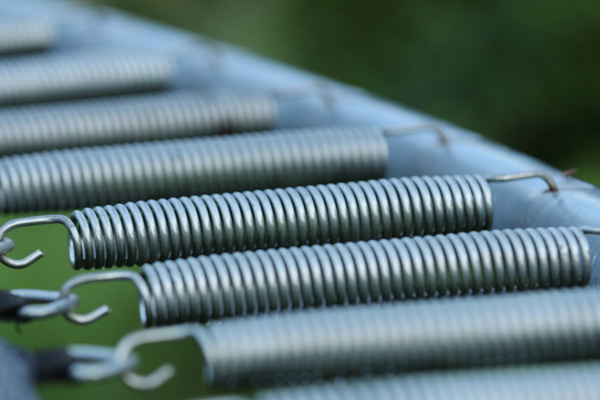
We know that within the elastic limit, the elongation (or contraction) of the spring is proportional to the external force.
2024-05-22
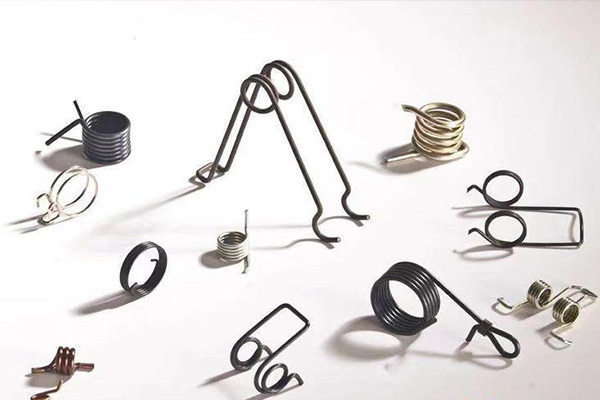
The current pattern of the spring industry
For the spring industry, for a long time, there has been an oversupply of low-grade ordinary springs.
2024-05-22
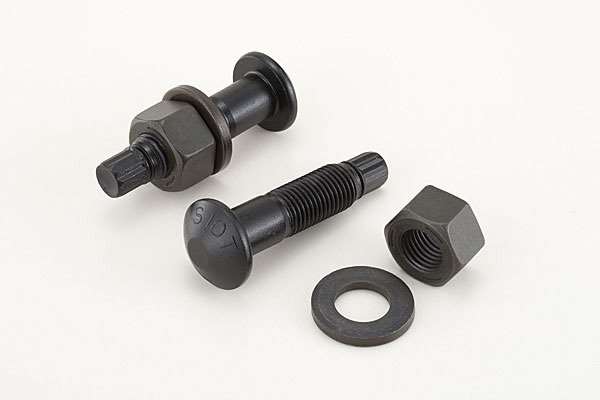
What material is generally used for high-strength bolts?
The upper limit of the tensile strength of the material used in high-strength bolts has a lot to do with the quenching treatment.
2024-05-22


Service E-mail
Service TEL
Address
Handan City, Hebei Province, China
To inquire about our products, please leave your email to us and we will contact you within 24 hours.
