



The Role of Embedded Parts in Enhancing Equipment Resilience
2026-02-03
The Role of Embedded Parts in Enhancing Equipment Resilience
Table of Contents
Introduction to Embedded Parts
Understanding Equipment Resilience
Importance of Embedded Parts in Equipment
Types of Embedded Parts and Their Functions
Materials Used in Embedded Parts
Design Considerations for Embedded Components
Trends in the Use of Embedded Parts
Case Studies: Success
The Role of Embedded Parts in Enhancing Equipment Resilience
Table of Contents
- Introduction to Embedded Parts
- Understanding Equipment Resilience
- Importance of Embedded Parts in Equipment
- Types of Embedded Parts and Their Functions
- Materials Used in Embedded Parts
- Design Considerations for Embedded Components
- Trends in the Use of Embedded Parts
- Case Studies: Success Stories of Embedded Parts in Action
- Frequently Asked Questions (FAQs)
- Conclusion
Introduction to Embedded Parts
In the realm of industrial equipment, the resilience of machinery is paramount. Embedded parts, often overlooked, are essential components that significantly enhance equipment durability and performance. These parts serve as the backbone of various systems, ensuring they withstand operational stresses while maintaining efficiency. Understanding their role is critical for manufacturers aiming to improve machinery longevity and functionality.
Understanding Equipment Resilience
Equipment resilience refers to the ability of machinery to withstand and adapt to adverse conditions without experiencing failure. This includes factors like mechanical stress, environmental exposure, and operational fatigue. High resilience not only extends the lifespan of equipment but also reduces maintenance costs and downtime. Key factors contributing to equipment resilience include:
- **Material Quality**: The durability of materials used in manufacturing.
- **Design Integrity**: How well equipment can handle stress and strain.
- **Embedded Parts**: Their contribution to overall equipment robustness.
Importance of Embedded Parts in Equipment
Embedded parts are crucial for the overall effectiveness of equipment. They provide stability, strength, and support, which are essential for operational efficiency. Here are some reasons why these components are vital:
1. **Enhanced Structural Integrity**: Embedded parts help in distributing loads evenly across machinery, which minimizes wear and tear.
2. **Improved Safety**: By reinforcing vulnerable sections of equipment, they reduce the risk of catastrophic failures, ensuring safe operation.
3. **Increased Efficiency**: When components work harmoniously, overall machinery performance improves, leading to better energy efficiency and reduced operational costs.
Types of Embedded Parts and Their Functions
Different types of embedded parts serve various functions in equipment, from providing structural support to ensuring connectivity between components. Here are the primary categories:
Fasteners
Fasteners, such as bolts, screws, and nuts, are integral to maintaining the assembly of equipment. They hold components together, ensuring structural integrity even under extreme conditions. The choice of fastener material and design can significantly impact resilience.
Connectors
Connectors are essential for establishing electrical and mechanical connections. They ensure seamless communication between different parts of the machinery, which is crucial for overall performance. High-quality connectors also resist environmental factors like moisture and dust.
Brackets and Mounts
Brackets and mounts provide support and stability to various components within equipment. They are designed to absorb shocks and vibrations, thus prolonging the life of attached parts and ensuring smooth operation.
Seals and Gaskets
Seals and gaskets prevent leakage and protect internal components from contaminants. Their role is critical in maintaining the integrity of machinery, especially in environments exposed to harsh chemicals or extreme temperatures.
Materials Used in Embedded Parts
The materials chosen for embedded parts play a significant role in determining their durability and effectiveness. Common materials include:
- **Steel**: Known for its strength and durability, steel is often used in fasteners and brackets.
- **Aluminum**: Lightweight yet strong, aluminum is favored for its resistance to corrosion, making it ideal for outdoor equipment.
- **Plastic and Composites**: These materials offer flexibility and are often used in connectors and gaskets, providing excellent insulation and resistance to environmental factors.
Design Considerations for Embedded Components
Designing effective embedded parts requires careful consideration of several factors:
1. **Load Distribution**: The design must ensure that loads are evenly distributed to avoid localized stress and potential failure.
2. **Environmental Resistance**: Selecting materials and designs that can withstand environmental stresses is essential for longevity.
3. **Manufacturing Processes**: The methods used to create embedded parts must ensure precision and consistency to maintain quality.
Trends in the Use of Embedded Parts
As technology evolves, so do the trends in the design and application of embedded parts. Some notable trends include:
- **Smart Components**: The integration of technology into embedded parts, allowing for real-time monitoring and predictive maintenance.
- **Sustainable Materials**: An increasing focus on environmentally friendly materials that reduce the ecological footprint of manufacturing processes.
- **Modular Design**: The shift towards modular systems that allow for easy upgrades and replacements, enhancing equipment flexibility and resilience.
Case Studies: Success Stories of Embedded Parts in Action
Understanding the practical implications of embedded parts can be enlightening. Here are some noteworthy examples:
Case Study 1: Aerospace Industry
In the aerospace sector, embedded fasteners play a crucial role in aircraft assembly. The use of advanced materials and precise manufacturing techniques has resulted in lightweight yet resilient components, contributing to improved fuel efficiency and enhanced safety.
Case Study 2: Automotive Sector
The automotive industry relies heavily on embedded connectors for electrical systems. Innovations in connector design have led to components that withstand high temperatures and vibrations, reducing the likelihood of failures and improving overall vehicle reliability.
Case Study 3: Industrial Machinery
In manufacturing equipment, the integration of high-quality seals and gaskets has proven essential for maintaining operational efficiency. By preventing leaks and contamination, these embedded parts significantly enhance the resilience and lifespan of industrial machinery.
Frequently Asked Questions (FAQs)
What are embedded parts?
Embedded parts are components integrated into machinery to enhance structural integrity, connectivity, and overall performance.
Why are embedded parts important for equipment resilience?
They provide support, stability, and protection against wear and environmental factors, contributing to the longevity and efficiency of equipment.
What materials are commonly used for embedded parts?
Common materials include steel, aluminum, plastic, and composites, each chosen for their specific properties that enhance performance.
How do design considerations affect embedded parts?
Design considerations such as load distribution, environmental resistance, and manufacturing precision are crucial for ensuring the effectiveness and durability of embedded parts.
What trends are shaping the future of embedded parts?
Key trends include the integration of smart components, the use of sustainable materials, and a move towards modular designs that allow for flexibility and easy upgrades.
Conclusion
Embedded parts play an indispensable role in enhancing the resilience of industrial equipment. Their significance spans various industries, from aerospace to manufacturing, with innovations continuously driving improvements in design and material usage. By investing in high-quality embedded components, manufacturers can ensure greater durability, efficiency, and safety in their equipment. Understanding and leveraging these parts is vital for those seeking to enhance the operational lifespan and performance of their machinery. As technology advances, the future of embedded parts promises even more exciting developments, ensuring that equipment resilience remains at the forefront of industrial capabilities.
Key words:
RELATED INFORMATION
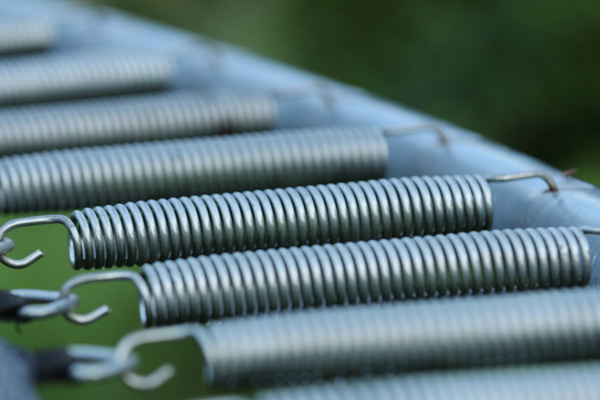
We know that within the elastic limit, the elongation (or contraction) of the spring is proportional to the external force.
2024-05-22
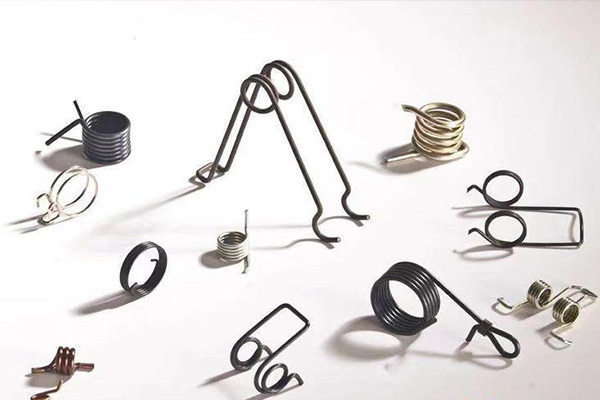
The current pattern of the spring industry
For the spring industry, for a long time, there has been an oversupply of low-grade ordinary springs.
2024-05-22
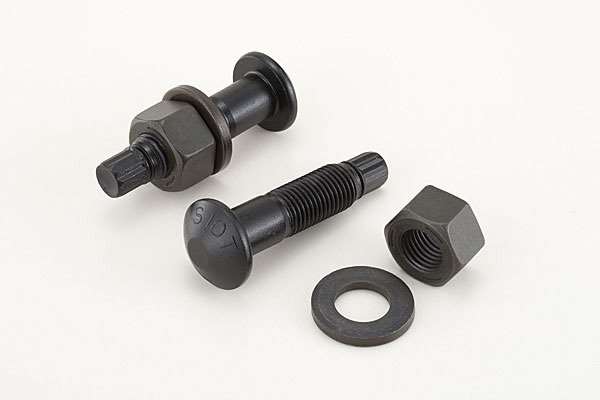
What material is generally used for high-strength bolts?
The upper limit of the tensile strength of the material used in high-strength bolts has a lot to do with the quenching treatment.
2024-05-22


Service E-mail
Service TEL
Address
Handan City, Hebei Province, China
To inquire about our products, please leave your email to us and we will contact you within 24 hours.
