



Understanding Welding Nails: Applications and Benefits in Industrial Fastening
2026-02-02
Welding nails, a specialized type of fastener, have gained prominence in various industrial applications due to their unique ability to provide robust connections. Unlike traditional fasteners, welding nails are designed to be permanently affixed to surfaces through a welding process, which ensures a strong bond that can withstand significant stress and environmental factors.
The primary applicati
Welding nails, a specialized type of fastener, have gained prominence in various industrial applications due to their unique ability to provide robust connections. Unlike traditional fasteners, welding nails are designed to be permanently affixed to surfaces through a welding process, which ensures a strong bond that can withstand significant stress and environmental factors.
The primary application of welding nails is in the construction and manufacturing industries, where they are utilized for securing materials such as metal sheets, concrete forms, and other structural components. One of the standout features of welding nails is their ability to be used in situations where traditional fastening methods may fail, particularly in high-stress environments. By welding nails directly to the substrate, the need for pre-drilling or additional fastening components is often eliminated, streamlining the assembly process.
In terms of benefits, welding nails offer exceptional strength and durability. The welding process creates a bond that is often stronger than the materials being joined, which is crucial in applications where vibrations, impacts, or extreme temperatures are present. Furthermore, the use of welding nails can result in a cleaner finish since there are no visible fasteners or protruding heads, which is particularly important in aesthetic applications.
Another significant advantage of welding nails is their versatility. They can be made from various materials, including steel and stainless steel, allowing for tailored solutions depending on the operating environment. For example, stainless steel welding nails are ideal for applications in corrosive environments, providing an added layer of protection against rust and degradation.
From an operational perspective, the application of welding nails can lead to cost efficiencies. By reducing the number of components required for assembly and minimizing labor time related to fastening, businesses can enhance productivity while maintaining high-quality standards. Additionally, the reduced risk of fastener failure contributes to lower maintenance costs over time.
It is essential for professionals in the industrial equipment and components sector to consider the specific requirements of their projects when choosing welding nails. Factors such as material compatibility, load-bearing expectations, and environmental conditions should be evaluated to ensure optimal performance.
In conclusion, welding nails represent a significant advancement in fastening technology, offering unique benefits that cater to the needs of various industrial applications. By understanding their capabilities and employing them effectively, businesses can improve their assembly processes, enhance product reliability, and ultimately drive operational success.
The primary application of welding nails is in the construction and manufacturing industries, where they are utilized for securing materials such as metal sheets, concrete forms, and other structural components. One of the standout features of welding nails is their ability to be used in situations where traditional fastening methods may fail, particularly in high-stress environments. By welding nails directly to the substrate, the need for pre-drilling or additional fastening components is often eliminated, streamlining the assembly process.
In terms of benefits, welding nails offer exceptional strength and durability. The welding process creates a bond that is often stronger than the materials being joined, which is crucial in applications where vibrations, impacts, or extreme temperatures are present. Furthermore, the use of welding nails can result in a cleaner finish since there are no visible fasteners or protruding heads, which is particularly important in aesthetic applications.
Another significant advantage of welding nails is their versatility. They can be made from various materials, including steel and stainless steel, allowing for tailored solutions depending on the operating environment. For example, stainless steel welding nails are ideal for applications in corrosive environments, providing an added layer of protection against rust and degradation.
From an operational perspective, the application of welding nails can lead to cost efficiencies. By reducing the number of components required for assembly and minimizing labor time related to fastening, businesses can enhance productivity while maintaining high-quality standards. Additionally, the reduced risk of fastener failure contributes to lower maintenance costs over time.
It is essential for professionals in the industrial equipment and components sector to consider the specific requirements of their projects when choosing welding nails. Factors such as material compatibility, load-bearing expectations, and environmental conditions should be evaluated to ensure optimal performance.
In conclusion, welding nails represent a significant advancement in fastening technology, offering unique benefits that cater to the needs of various industrial applications. By understanding their capabilities and employing them effectively, businesses can improve their assembly processes, enhance product reliability, and ultimately drive operational success.
Key words:
RELATED INFORMATION
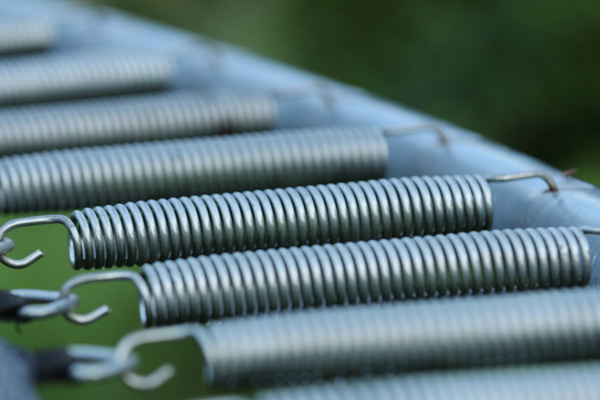
We know that within the elastic limit, the elongation (or contraction) of the spring is proportional to the external force.
2024-05-22
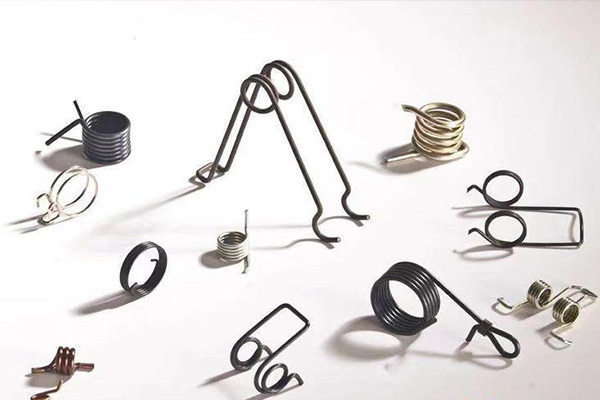
The current pattern of the spring industry
For the spring industry, for a long time, there has been an oversupply of low-grade ordinary springs.
2024-05-22
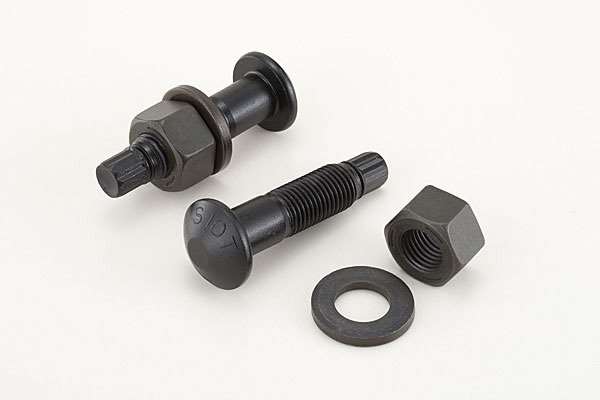
What material is generally used for high-strength bolts?
The upper limit of the tensile strength of the material used in high-strength bolts has a lot to do with the quenching treatment.
2024-05-22


Service E-mail
Service TEL
Address
Handan City, Hebei Province, China
To inquire about our products, please leave your email to us and we will contact you within 24 hours.
