



Understanding Stainless Steel Expansion: Essential Insights for Industrial Fastening Solutions
2026-02-06
Stainless steel expansion refers to the increase in size of stainless steel components when exposed to changes in temperature. This phenomenon is crucial for professionals in the industrial equipment and components sector, particularly in fastening and connection applications. Understanding stainless steel expansion is essential for ensuring the integrity and performance of various assemblies and
Stainless steel expansion refers to the increase in size of stainless steel components when exposed to changes in temperature. This phenomenon is crucial for professionals in the industrial equipment and components sector, particularly in fastening and connection applications. Understanding stainless steel expansion is essential for ensuring the integrity and performance of various assemblies and structures.
One of the primary properties of stainless steel is its thermal expansion coefficient, which measures how much the material expands per degree of temperature increase. For stainless steel, this coefficient typically ranges from 16 to 20 x 10^-6 /°C. As temperatures rise, stainless steel components, including fasteners and connectors, will expand. Conversely, they will contract when temperatures fall. This cyclical change must be accommodated in design and assembly to avoid structural failures.
In industrial applications, the significance of stainless steel expansion cannot be overstated. For instance, when fastening components in machinery or construction, it's crucial to consider thermal expansion to prevent loosening or damage due to stress. Fasteners that do not account for thermal expansion might fail under extreme conditions, leading to costly downtime and repairs. Therefore, professionals must design their assemblies with sufficient allowances for movement, ensuring that gaps, clearances, and tolerances are appropriately calculated.
Furthermore, selecting the right type of stainless steel is vital. Different grades of stainless steel exhibit varying degrees of expansion and mechanical properties. For example, austenitic stainless steels, such as 304 and 316, are commonly used in industrial applications due to their excellent corrosion resistance and good formability. However, understanding their thermal expansion characteristics is key to successful application.
Another essential aspect is the installation of fasteners. When installing stainless steel fasteners, professionals should ensure they are tightened appropriately, taking into account the potential for expansion. Over-tightening can lead to premature failure, while under-tightening may result in loosening over time.
Lastly, it's important to consider the environment in which the stainless steel components will operate. Factors such as humidity, chemical exposure, and temperature variations can influence how stainless steel expands and contracts. Accordingly, a thorough risk assessment should be conducted during the design phase to identify potential issues related to thermal expansion.
In conclusion, understanding stainless steel expansion is fundamental for professionals working in industrial fastening solutions. By recognizing how temperature changes affect the behavior of stainless steel components, engineers and designers can create robust, reliable assemblies that withstand the rigors of operation. Keep these considerations in mind to enhance the longevity and performance of your industrial applications.
One of the primary properties of stainless steel is its thermal expansion coefficient, which measures how much the material expands per degree of temperature increase. For stainless steel, this coefficient typically ranges from 16 to 20 x 10^-6 /°C. As temperatures rise, stainless steel components, including fasteners and connectors, will expand. Conversely, they will contract when temperatures fall. This cyclical change must be accommodated in design and assembly to avoid structural failures.
In industrial applications, the significance of stainless steel expansion cannot be overstated. For instance, when fastening components in machinery or construction, it's crucial to consider thermal expansion to prevent loosening or damage due to stress. Fasteners that do not account for thermal expansion might fail under extreme conditions, leading to costly downtime and repairs. Therefore, professionals must design their assemblies with sufficient allowances for movement, ensuring that gaps, clearances, and tolerances are appropriately calculated.
Furthermore, selecting the right type of stainless steel is vital. Different grades of stainless steel exhibit varying degrees of expansion and mechanical properties. For example, austenitic stainless steels, such as 304 and 316, are commonly used in industrial applications due to their excellent corrosion resistance and good formability. However, understanding their thermal expansion characteristics is key to successful application.
Another essential aspect is the installation of fasteners. When installing stainless steel fasteners, professionals should ensure they are tightened appropriately, taking into account the potential for expansion. Over-tightening can lead to premature failure, while under-tightening may result in loosening over time.
Lastly, it's important to consider the environment in which the stainless steel components will operate. Factors such as humidity, chemical exposure, and temperature variations can influence how stainless steel expands and contracts. Accordingly, a thorough risk assessment should be conducted during the design phase to identify potential issues related to thermal expansion.
In conclusion, understanding stainless steel expansion is fundamental for professionals working in industrial fastening solutions. By recognizing how temperature changes affect the behavior of stainless steel components, engineers and designers can create robust, reliable assemblies that withstand the rigors of operation. Keep these considerations in mind to enhance the longevity and performance of your industrial applications.
Key words:
RELATED INFORMATION
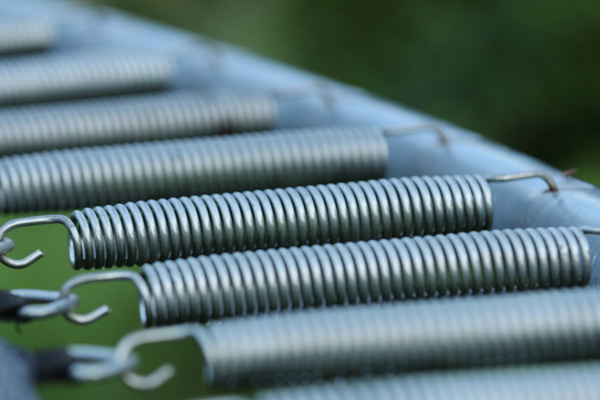
We know that within the elastic limit, the elongation (or contraction) of the spring is proportional to the external force.
2024-05-22
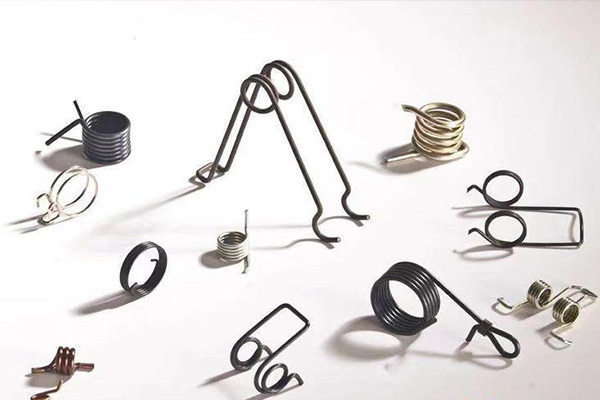
The current pattern of the spring industry
For the spring industry, for a long time, there has been an oversupply of low-grade ordinary springs.
2024-05-22
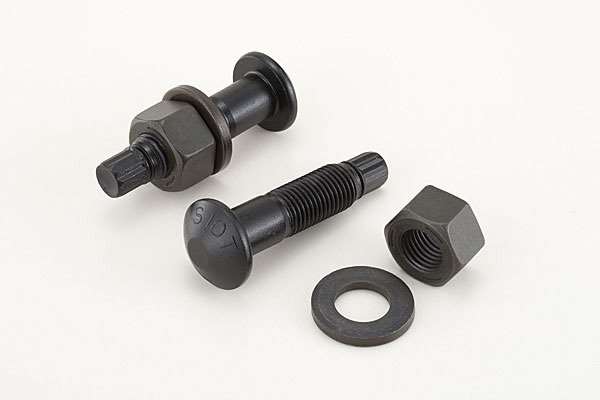
What material is generally used for high-strength bolts?
The upper limit of the tensile strength of the material used in high-strength bolts has a lot to do with the quenching treatment.
2024-05-22


Service E-mail
Service TEL
Address
Handan City, Hebei Province, China
To inquire about our products, please leave your email to us and we will contact you within 24 hours.
