



Understanding the Different Finishes of Stainless Steel Pins: Enhancing Durability and Performance
2026-01-30
Understanding the Different Finishes of Stainless Steel Pins
Introduction to Stainless Steel Pins
Stainless steel pins are essential components in various industrial applications. They serve as fasteners and connectors, providing stability and strength to assemblies. Understanding the different finishes of stainless steel pins is crucial for selecting the right type for specific needs, impacting t
Understanding the Different Finishes of Stainless Steel Pins
Introduction to Stainless Steel Pins
Stainless steel pins are essential components in various industrial applications. They serve as fasteners and connectors, providing stability and strength to assemblies. Understanding the different finishes of stainless steel pins is crucial for selecting the right type for specific needs, impacting their performance, durability, and corrosion resistance. In this article, we will explore the various finishes available, their benefits, and how they compare against one another.
Why the Finish Matters for Stainless Steel Pins
The finish of a stainless steel pin can significantly influence its functionality. Different finishes provide varying levels of **corrosion resistance**, **aesthetic appeal**, and **friction characteristics**. Choosing the right finish not only enhances the pin's performance but also prolongs its lifespan, which is particularly important in environments exposed to harsh conditions.
Common Finishes for Stainless Steel Pins
Understanding the common finishes available for stainless steel pins helps in making informed decisions. Below are the most popular finishes along with their characteristics.
1. **Passivated Finish**
A passivated finish involves treating the stainless steel with acids, removing surface contaminants and promoting the formation of a protective oxide layer. This finish enhances **corrosion resistance**, making it ideal for applications in humid or corrosive environments. Passivated pins are commonly used in food processing, pharmaceuticals, and marine applications.
2. **Electropolished Finish**
Electropolishing is an electrochemical process that removes materials from the surface of the stainless steel pin, resulting in a smooth, shiny finish. This finish reduces surface roughness and enhances the pin's appearance. Electropolished pins are ideal for applications requiring cleanliness, such as in the medical and food industries. Additionally, this finish provides superior corrosion resistance.
3. **Black Oxide Finish**
A black oxide finish involves a chemical conversion process that creates a black coating on the stainless steel surface. This finish improves the pin’s appearance and provides an added layer of corrosion resistance. Black oxide pins are often used in applications where aesthetics are important, such as in consumer products and automotive parts.
4. **Zinc Plated Finish**
Zinc plating involves coating the stainless steel pin with a layer of zinc. This finish provides excellent corrosion resistance in mild environments, making zinc-plated pins suitable for applications in construction and automotive industries. However, they may not perform well in highly corrosive environments.
5. **Hot-Dipped Galvanized Finish**
Hot-dipped galvanizing involves coating the stainless steel pins in molten zinc, providing a thick protective layer. This finish is highly effective against corrosion, making it suitable for outdoor applications or environments with high moisture exposure. Hot-dipped galvanized pins are commonly used in construction and agricultural equipment.
6. **Chrome Plated Finish**
A chrome-plated finish involves applying a layer of chromium to the stainless steel pins. This finish provides a shiny appearance and enhances corrosion resistance and wear resistance. Chrome-plated pins are often found in decorative applications and hardware.
Comparing Finishes: Which is Right for Your Application?
When choosing a finish for stainless steel pins, consider the specific requirements of your application. Each finish offers unique advantages and disadvantages, which can influence the performance of the pins in their intended environment.
Durability and Corrosion Resistance
Durability is a critical factor in the selection of stainless steel pins. For applications subjected to harsh conditions, finishes like passivated and electropolished provide the best corrosion resistance. Conversely, finishes like zinc plating may offer adequate protection in mild environments but may not withstand severe conditions.
Aesthetics and Appearance
In applications where aesthetic appeal is essential, finishes such as black oxide and chrome plating enhance the visual aspect of stainless steel pins. These finishes not only improve the overall appearance but also add a layer of corrosion resistance.
Cost Considerations
Cost is often a determining factor when selecting a finish for stainless steel pins. While some finishes like zinc plating are more economical, others like electropolished and hot-dipped galvanized may require a higher initial investment but offer long-term savings through reduced maintenance and replacement costs.
Applications of Stainless Steel Pins with Different Finishes
Understanding where and how various finishes are used can help in making the right choice.
Industrial Applications
In industrial settings, stainless steel pins with passivated or zinc-plated finishes are widely used in machinery, assembly lines, and structural components, providing the necessary durability and corrosion resistance.
Automotive Industry
The automotive industry often employs stainless steel pins with black oxide or chrome-plated finishes. These finishes provide aesthetic appeal while ensuring functionality and longevity in demanding environments.
Medical and Pharmaceutical Applications
In the medical and pharmaceutical fields, electropolished stainless steel pins are favored for their cleanliness and superior corrosion resistance. These pins meet stringent regulatory requirements, making them essential in sterile environments.
Maintenance and Care for Stainless Steel Pins
Proper maintenance of stainless steel pins can ensure their longevity and performance. Here are some tips for care based on finish type.
Cleaning Techniques
For most finishes, using a soft cloth and mild detergent is effective. Avoid abrasive cleaners, as they can scratch the surface and compromise the protective layer.
Inspection for Corrosion
Regular inspection for signs of corrosion or wear is vital, especially for pins in harsh environments. Early detection allows for timely intervention, prolonging the lifespan of the pins.
Storage Recommendations
Storing stainless steel pins in a dry, controlled environment can help prevent moisture-related corrosion. Ensure that they are kept away from other materials that may cause scratches or damage.
FAQs about Stainless Steel Pins Finishes
1. What is the best finish for outdoor applications?
For outdoor applications, hot-dipped galvanized and zinc-plated finishes provide superior corrosion resistance against moisture and environmental factors.
2. Can I use electropolished pins in food processing?
Yes, electropolished pins are ideal for food processing applications due to their smooth surface and enhanced cleanliness.
3. How do I know which finish is suitable for my project?
Consider factors such as environmental conditions, aesthetic preferences, and budget constraints. Assess the specific requirements of your application to determine the best finish.
4. Are stainless steel pins with black oxide finish durable?
Yes, black oxide finishes enhance durability and offer moderate corrosion resistance, making them suitable for a variety of applications.
5. How can I improve the lifespan of stainless steel pins?
Regular maintenance, proper cleaning, and appropriate storage can significantly enhance the lifespan of stainless steel pins, regardless of their finish.
Conclusion
Understanding the different finishes of stainless steel pins is essential for selecting the right component for your specific industrial needs. Each finish offers unique benefits in terms of durability, corrosion resistance, and aesthetics, which can significantly influence performance in various applications. By considering factors such as environmental conditions, maintenance requirements, and cost implications, you can make informed choices that enhance the efficiency and longevity of your assemblies and systems. Whether it’s passivated, electropolished, or black oxide, the right finish will ensure your stainless steel pins meet the demands of your application effectively.
Key words:
RELATED INFORMATION
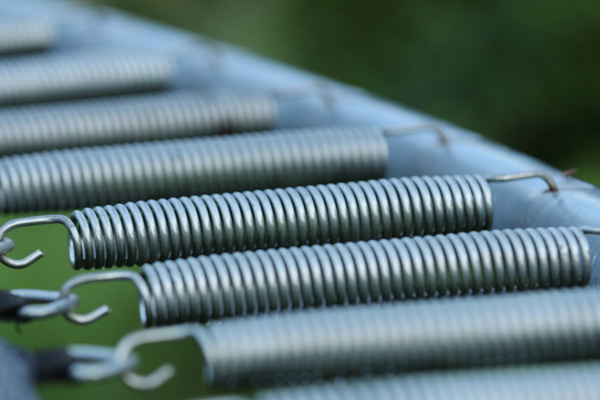
We know that within the elastic limit, the elongation (or contraction) of the spring is proportional to the external force.
2024-05-22
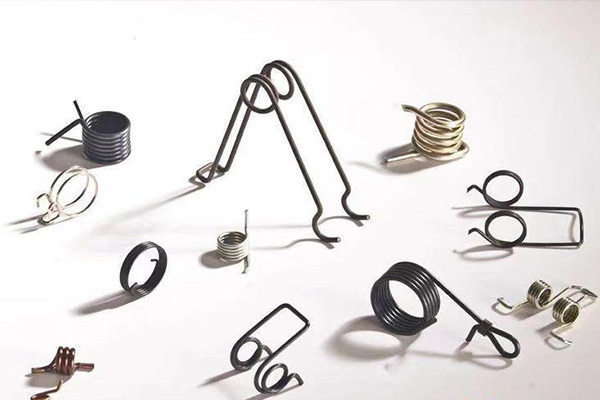
The current pattern of the spring industry
For the spring industry, for a long time, there has been an oversupply of low-grade ordinary springs.
2024-05-22
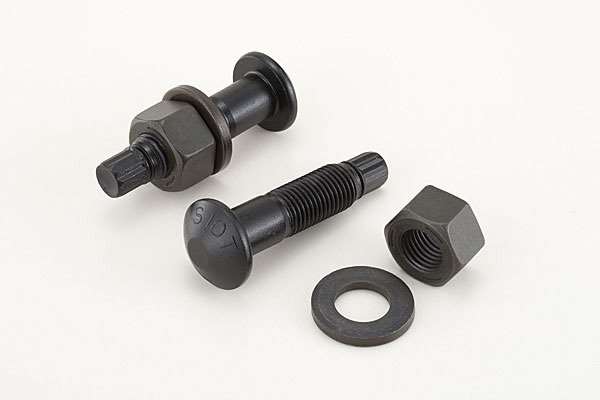
What material is generally used for high-strength bolts?
The upper limit of the tensile strength of the material used in high-strength bolts has a lot to do with the quenching treatment.
2024-05-22


Service E-mail
Service TEL
Address
Handan City, Hebei Province, China
To inquire about our products, please leave your email to us and we will contact you within 24 hours.
