



Understanding Stainless Steel Expansion: Essential Insights for Industrial Applications
2026-01-31
---
Stainless steel is renowned for its durability and resistance to corrosion, making it a popular choice in various industrial applications. However, one important aspect that engineers and manufacturers must consider is stainless steel expansion. This phenomenon occurs when stainless steel is subjected to changes in temperature, resulting in dimensional changes that can affect the integrity and
---
Stainless steel is renowned for its durability and resistance to corrosion, making it a popular choice in various industrial applications. However, one important aspect that engineers and manufacturers must consider is stainless steel expansion. This phenomenon occurs when stainless steel is subjected to changes in temperature, resulting in dimensional changes that can affect the integrity and performance of industrial equipment and components.
When stainless steel is heated, it expands; conversely, it contracts when cooled. This thermal expansion is a critical factor in the design and application of components such as fasteners and connectors. Failure to account for this expansion can lead to misalignment, stress, and even structural failure in assemblies. Therefore, understanding the properties of stainless steel expansion is vital for ensuring safety and functionality in industrial settings.
One key consideration is the coefficient of thermal expansion (CTE) of stainless steel, which typically ranges from 16 to 18 microstrain per degree Celsius. This means that for every degree of temperature increase, a meter of stainless steel will expand by approximately 16 to 18 micrometers. When designing assemblies, engineers must calculate the expected temperature ranges and adjust the tolerances accordingly to accommodate this expansion. This is particularly important in applications where precise alignment is crucial, such as in machinery, automotive, and aerospace industries.
Moreover, the selection of fasteners and connectors made from stainless steel also requires careful consideration of expansion. It is advisable to use materials that exhibit similar thermal expansion properties to avoid differential expansion, which can lead to loosening or failure of joints over time. Additionally, incorporating flexible or adjustable components into designs can help mitigate the effects of thermal expansion and contraction.
Another practical aspect to consider is the installation process. Proper installation techniques can help accommodate stainless steel expansion effectively. For instance, leaving sufficient clearance and using locking mechanisms designed to handle some movement can enhance the reliability of the assembly. Maintenance routines that include regular inspections can also be beneficial in identifying any issues arising from thermal expansion before they lead to significant problems.
In conclusion, understanding stainless steel expansion is essential for anyone involved in the design and manufacturing of industrial equipment and components. By taking the time to consider the implications of thermal expansion, engineers can enhance the performance and longevity of their products, ensuring they meet the demands of real-world applications. Whether selecting materials, designing assemblies, or implementing maintenance protocols, a thorough understanding of stainless steel expansion will contribute to more reliable and efficient industrial operations.
Stainless steel is renowned for its durability and resistance to corrosion, making it a popular choice in various industrial applications. However, one important aspect that engineers and manufacturers must consider is stainless steel expansion. This phenomenon occurs when stainless steel is subjected to changes in temperature, resulting in dimensional changes that can affect the integrity and performance of industrial equipment and components.
When stainless steel is heated, it expands; conversely, it contracts when cooled. This thermal expansion is a critical factor in the design and application of components such as fasteners and connectors. Failure to account for this expansion can lead to misalignment, stress, and even structural failure in assemblies. Therefore, understanding the properties of stainless steel expansion is vital for ensuring safety and functionality in industrial settings.
One key consideration is the coefficient of thermal expansion (CTE) of stainless steel, which typically ranges from 16 to 18 microstrain per degree Celsius. This means that for every degree of temperature increase, a meter of stainless steel will expand by approximately 16 to 18 micrometers. When designing assemblies, engineers must calculate the expected temperature ranges and adjust the tolerances accordingly to accommodate this expansion. This is particularly important in applications where precise alignment is crucial, such as in machinery, automotive, and aerospace industries.
Moreover, the selection of fasteners and connectors made from stainless steel also requires careful consideration of expansion. It is advisable to use materials that exhibit similar thermal expansion properties to avoid differential expansion, which can lead to loosening or failure of joints over time. Additionally, incorporating flexible or adjustable components into designs can help mitigate the effects of thermal expansion and contraction.
Another practical aspect to consider is the installation process. Proper installation techniques can help accommodate stainless steel expansion effectively. For instance, leaving sufficient clearance and using locking mechanisms designed to handle some movement can enhance the reliability of the assembly. Maintenance routines that include regular inspections can also be beneficial in identifying any issues arising from thermal expansion before they lead to significant problems.
In conclusion, understanding stainless steel expansion is essential for anyone involved in the design and manufacturing of industrial equipment and components. By taking the time to consider the implications of thermal expansion, engineers can enhance the performance and longevity of their products, ensuring they meet the demands of real-world applications. Whether selecting materials, designing assemblies, or implementing maintenance protocols, a thorough understanding of stainless steel expansion will contribute to more reliable and efficient industrial operations.
Key words:
RELATED INFORMATION
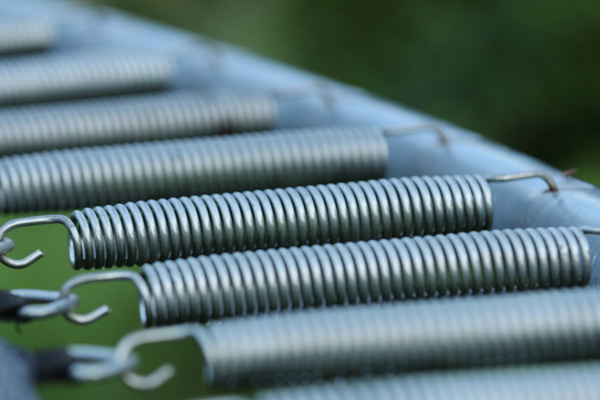
We know that within the elastic limit, the elongation (or contraction) of the spring is proportional to the external force.
2024-05-22
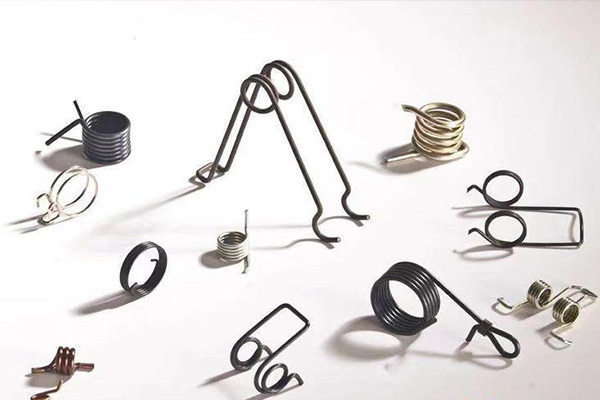
The current pattern of the spring industry
For the spring industry, for a long time, there has been an oversupply of low-grade ordinary springs.
2024-05-22
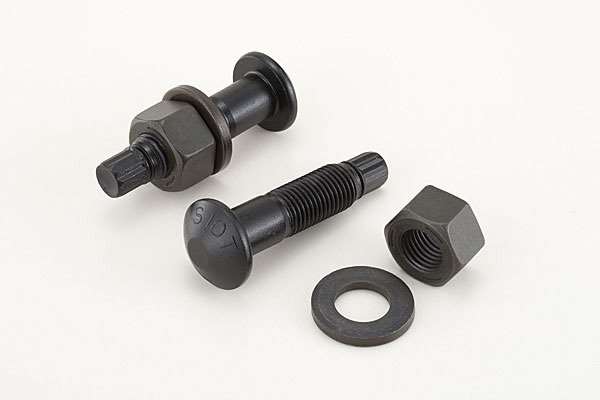
What material is generally used for high-strength bolts?
The upper limit of the tensile strength of the material used in high-strength bolts has a lot to do with the quenching treatment.
2024-05-22


Service E-mail
Service TEL
Address
Handan City, Hebei Province, China
To inquire about our products, please leave your email to us and we will contact you within 24 hours.
