



Understanding Stainless Steel Drill Tail Wire: Essential Insights for Industrial Fastening Applications
2026-01-29
Stainless steel drill tail wire is an integral component in various industrial applications, particularly within the realm of fastening and connection. This type of wire is characterized by its high corrosion resistance, durability, and strength, making it an ideal choice for environments where exposure to moisture and other corrosive elements is common.
One of the most notable properties of stain
Stainless steel drill tail wire is an integral component in various industrial applications, particularly within the realm of fastening and connection. This type of wire is characterized by its high corrosion resistance, durability, and strength, making it an ideal choice for environments where exposure to moisture and other corrosive elements is common.
One of the most notable properties of stainless steel drill tail wire is its ability to withstand harsh conditions. The inherent corrosion resistance of stainless steel is attributed to the formation of a passive layer of chromium oxide on its surface. This protective layer prevents rust and degradation, making it suitable for use in industries such as construction, automotive, and marine. When selecting drill tail wire for specific applications, it’s essential to consider the environmental conditions it will face to ensure longevity and reliability.
The versatility of stainless steel drill tail wire extends to its adaptability in various fastening applications. This wire can be used for tying, anchoring, and securing components, providing a reliable connection that is essential in maintaining structural integrity. In many cases, drill tail wires are employed in the production of fasteners and connectors, where precision and strength are paramount. The unique design of drill tail wire allows for easy insertion into drilled holes, facilitating efficient assembly processes.
In addition, stainless steel drill tail wire is often manufactured in a variety of diameters and tensile strengths, catering to the diverse needs of industrial applications. The flexibility in specifications enables engineers and designers to select the appropriate wire that meets their project requirements, ensuring optimal performance and safety standards.
Another key advantage of stainless steel drill tail wire is its resistance to stress and fatigue. In applications where components are subject to dynamic loads, the ability of the wire to maintain its structural integrity becomes crucial. This attribute is particularly important in the construction and automotive industries, where components must endure significant mechanical stress over extended periods.
Furthermore, it is worth noting that stainless steel drill tail wire is often favored for its aesthetic appeal. Its sleek finish and resistance to tarnishing ensure that it maintains its visual integrity even in challenging environments, making it suitable for applications where appearance is a consideration.
In conclusion, stainless steel drill tail wire plays a pivotal role in various industrial fastening applications. Understanding its properties and benefits can help professionals make informed decisions when selecting materials for their projects. By leveraging the advantages of stainless steel drill tail wire, industries can enhance the durability and reliability of their connections, ultimately contributing to the overall success of their operations.
One of the most notable properties of stainless steel drill tail wire is its ability to withstand harsh conditions. The inherent corrosion resistance of stainless steel is attributed to the formation of a passive layer of chromium oxide on its surface. This protective layer prevents rust and degradation, making it suitable for use in industries such as construction, automotive, and marine. When selecting drill tail wire for specific applications, it’s essential to consider the environmental conditions it will face to ensure longevity and reliability.
The versatility of stainless steel drill tail wire extends to its adaptability in various fastening applications. This wire can be used for tying, anchoring, and securing components, providing a reliable connection that is essential in maintaining structural integrity. In many cases, drill tail wires are employed in the production of fasteners and connectors, where precision and strength are paramount. The unique design of drill tail wire allows for easy insertion into drilled holes, facilitating efficient assembly processes.
In addition, stainless steel drill tail wire is often manufactured in a variety of diameters and tensile strengths, catering to the diverse needs of industrial applications. The flexibility in specifications enables engineers and designers to select the appropriate wire that meets their project requirements, ensuring optimal performance and safety standards.
Another key advantage of stainless steel drill tail wire is its resistance to stress and fatigue. In applications where components are subject to dynamic loads, the ability of the wire to maintain its structural integrity becomes crucial. This attribute is particularly important in the construction and automotive industries, where components must endure significant mechanical stress over extended periods.
Furthermore, it is worth noting that stainless steel drill tail wire is often favored for its aesthetic appeal. Its sleek finish and resistance to tarnishing ensure that it maintains its visual integrity even in challenging environments, making it suitable for applications where appearance is a consideration.
In conclusion, stainless steel drill tail wire plays a pivotal role in various industrial fastening applications. Understanding its properties and benefits can help professionals make informed decisions when selecting materials for their projects. By leveraging the advantages of stainless steel drill tail wire, industries can enhance the durability and reliability of their connections, ultimately contributing to the overall success of their operations.
Key words:
RELATED INFORMATION
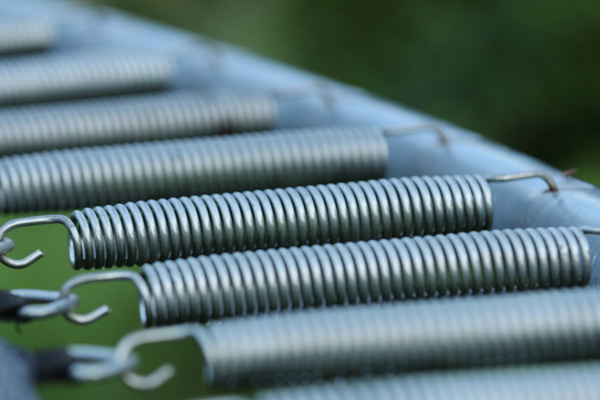
We know that within the elastic limit, the elongation (or contraction) of the spring is proportional to the external force.
2024-05-22
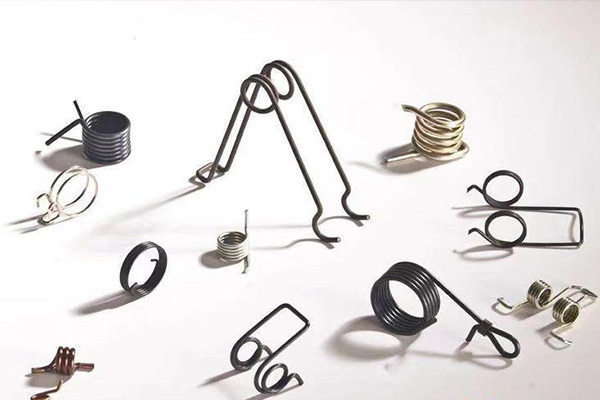
The current pattern of the spring industry
For the spring industry, for a long time, there has been an oversupply of low-grade ordinary springs.
2024-05-22
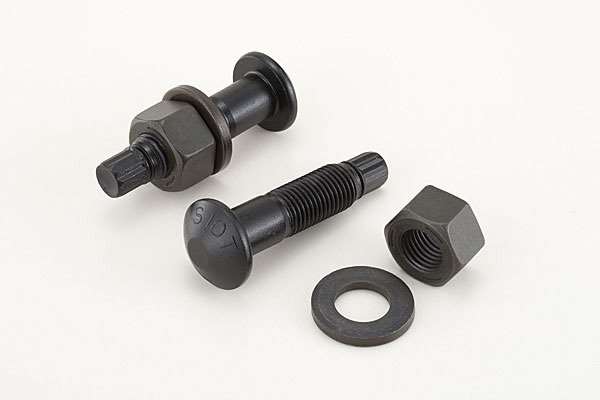
What material is generally used for high-strength bolts?
The upper limit of the tensile strength of the material used in high-strength bolts has a lot to do with the quenching treatment.
2024-05-22


Service E-mail
Service TEL
Address
Handan City, Hebei Province, China
To inquire about our products, please leave your email to us and we will contact you within 24 hours.
