



Exploring Cost-Efficient Solutions with Embedded Parts in Industrial Equipment
2026-01-26
Exploring Cost-Efficient Solutions with Embedded Parts in Industrial Equipment
Table of Contents
1. Introduction to Embedded Parts in Equipment
2. Benefits of Using Embedded Parts
3. Practical Applications of Embedded Parts in Equipment
4. How Embedded Parts Reduce Overall Costs
5. Design Considerations for Using Embedded Parts
6. Challenges in Implementing Embedded Parts
Exploring Cost-Efficient Solutions with Embedded Parts in Industrial Equipment
Table of Contents
- 1. Introduction to Embedded Parts in Equipment
- 2. Benefits of Using Embedded Parts
- 3. Practical Applications of Embedded Parts in Equipment
- 4. How Embedded Parts Reduce Overall Costs
- 5. Design Considerations for Using Embedded Parts
- 6. Challenges in Implementing Embedded Parts
- 7. Future Trends in Embedded Parts Technology
- 8. Conclusion
- 9. Frequently Asked Questions
1. Introduction to Embedded Parts in Equipment
In modern industrial applications, the integration of **embedded parts** within equipment has emerged as a transformative strategy. By seamlessly incorporating components like fasteners and connectors into the design, manufacturers can achieve enhanced performance, reduced assembly times, and significant cost savings. This article explores the concept of embedded parts, elucidating their functionality and benefits within various industrial contexts.
2. Benefits of Using Embedded Parts
The decision to integrate embedded parts into industrial equipment offers a multitude of advantages:
2.1 Enhanced Structural Integrity
Embedded parts provide superior structural consistency, reducing the likelihood of failure during operation. By distributing stress more evenly across components, these parts enhance the overall durability of the equipment.
2.2 Reduced Manufacturing Costs
Utilizing embedded parts can lead to significant reductions in manufacturing costs. Fewer components mean less material waste and lower labor costs associated with assembly.
2.3 Increased Design Flexibility
With embedded components, designers have greater freedom to innovate. They can create more compact and efficient designs that were previously unattainable with traditional fastening solutions.
2.4 Streamlined Maintenance
Embedded parts simplify maintenance by reducing the number of individual components that require inspection or replacement. This can lead to less downtime and more efficient operational processes.
3. Practical Applications of Embedded Parts in Equipment
Embedded parts are utilized across various industries, showcasing their versatility and effectiveness.
3.1 Automotive Industry
In the automotive sector, embedded fasteners are commonly used in body structures and assemblies, enhancing safety and performance while reducing weight.
3.2 Aerospace Technology
Aerospace applications demand strict weight considerations. Embedded components help manufacturers achieve optimal performance without compromising structural integrity.
3.3 Industrial Machinery
In heavy machinery, embedded parts contribute to improved vibration dampening and overall operational efficiency.
4. How Embedded Parts Reduce Overall Costs
The financial benefits of using embedded parts are profound.
4.1 Decreased Material Costs
By significantly reducing the number of separate components in an assembly, manufacturers can lower their material expenditures. The use of high-strength embedded components allows for the reduction of material thickness in surrounding structures.
4.2 Labor Savings
Fewer components mean less assembly time. This efficiency translates to lower labor costs during manufacturing and assembly processes.
4.3 Minimizing Repair Costs
Embedded parts are less likely to fail compared to traditional fastening systems, resulting in fewer repairs and reduced maintenance costs over the lifespan of the equipment.
5. Design Considerations for Using Embedded Parts
Integrating embedded parts requires careful planning and consideration.
5.1 Material Selection
Choosing the right materials for embedded components is crucial. They must withstand operational stresses while maintaining compatibility with surrounding materials.
5.2 Designing for Assembly
Designers must ensure that the embedded components can be easily integrated into the overall assembly process without complicating production.
5.3 Testing and Validation
Thorough testing and validation processes are necessary to ensure that embedded parts perform as intended under operational conditions.
6. Challenges in Implementing Embedded Parts
While the benefits are significant, the implementation of embedded parts comes with challenges.
6.1 Initial Development Costs
The initial costs of developing new designs for embedded components can be high. However, these costs are often offset by long-term savings.
6.2 Need for Advanced Manufacturing Techniques
Manufacturers may need to invest in advanced manufacturing technologies to produce embedded parts effectively, including precision machining and additive manufacturing methods.
6.3 Training and Expertise Requirements
Teams may require additional training to understand the design and manufacturing processes associated with embedded parts.
7. Future Trends in Embedded Parts Technology
The future of embedded parts is poised for growth and innovation.
7.1 Smart Embedded Components
The integration of sensors and IoT technology within embedded parts is on the rise. Smart components can provide real-time data, enhancing equipment monitoring and management.
7.2 Sustainable Manufacturing
As industries push toward sustainability, the development of eco-friendly materials for embedded parts could transform manufacturing processes.
7.3 Automated Manufacturing Processes
Automation in manufacturing will likely streamline the production of embedded components further, reducing costs and time-to-market.
8. Conclusion
The integration of **embedded parts** into industrial equipment represents a significant advancement in manufacturing and design. With benefits ranging from reduced costs to enhanced performance, embedded components are not just a trend but a necessity for modern industries aiming to optimize their operations. As technology advances and industries evolve, the role of embedded parts will continue to grow, shaping the future of industrial equipment design and functionality.
9. Frequently Asked Questions
9.1 What are embedded parts?
Embedded parts are components that are integrated directly into the structure of equipment, enhancing performance and reducing assembly complexity.
9.2 How do embedded parts improve equipment efficiency?
They reduce the number of separate components needed in an assembly, leading to lower weight, improved structural integrity, and streamlined manufacturing processes.
9.3 Are there specific industries where embedded parts are more beneficial?
Yes, industries like automotive, aerospace, and industrial machinery benefit significantly from the use of embedded parts due to their stringent performance and weight requirements.
9.4 What challenges come with using embedded parts?
Challenges include initial development costs, the need for advanced manufacturing techniques, and the requirement for specialized training.
9.5 What is the future of embedded parts technology?
The future includes advancements such as smart embedded components with IoT capabilities, sustainable manufacturing practices, and increased automation in production processes.
Key words:
RELATED INFORMATION
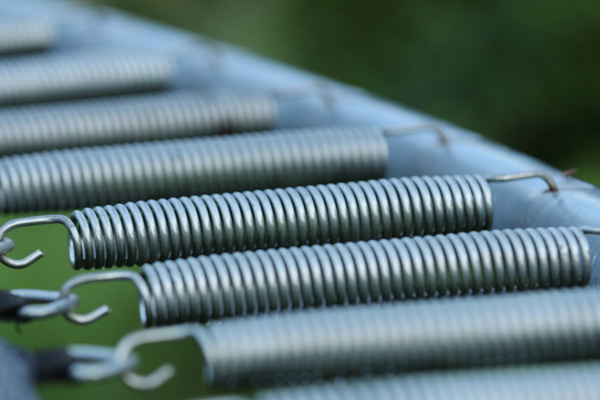
We know that within the elastic limit, the elongation (or contraction) of the spring is proportional to the external force.
2024-05-22
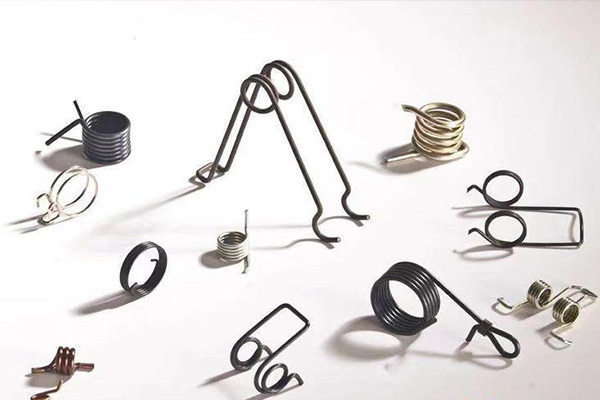
The current pattern of the spring industry
For the spring industry, for a long time, there has been an oversupply of low-grade ordinary springs.
2024-05-22
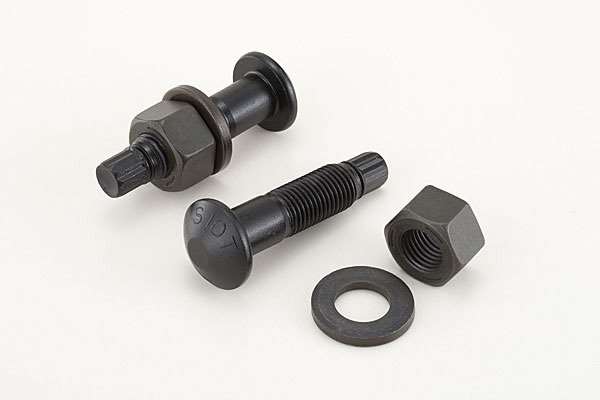
What material is generally used for high-strength bolts?
The upper limit of the tensile strength of the material used in high-strength bolts has a lot to do with the quenching treatment.
2024-05-22


Service E-mail
Service TEL
Address
Handan City, Hebei Province, China
To inquire about our products, please leave your email to us and we will contact you within 24 hours.
