



The Science Behind the Design of Stainless Steel Nuts: Unveiling Durability and Performance
2025-12-09
The Science Behind the Design of Stainless Steel Nuts
Table of Contents
1. Introduction to Stainless Steel Nuts
2. The Material Composition of Stainless Steel Nuts
3. Key Design Principles in Stainless Steel Nuts
4. Corrosion Resistance: An Essential Feature
5. The Importance of Thread Geometry
6. Real-World Applications of Stainless Steel Nuts
7. Advantages of Using S
The Science Behind the Design of Stainless Steel Nuts
Table of Contents
- 1. Introduction to Stainless Steel Nuts
- 2. The Material Composition of Stainless Steel Nuts
- 3. Key Design Principles in Stainless Steel Nuts
- 4. Corrosion Resistance: An Essential Feature
- 5. The Importance of Thread Geometry
- 6. Real-World Applications of Stainless Steel Nuts
- 7. Advantages of Using Stainless Steel Nuts
- 8. Conclusion
- 9. Frequently Asked Questions
1. Introduction to Stainless Steel Nuts
Stainless steel nuts are vital components in various industries, serving as essential fasteners that provide stability and secure connections. Understanding the science behind their design helps industries select the right fasteners for specific applications, ensuring long-term performance and reliability. This article delves into the intricate details of stainless steel nuts, exploring their material composition, design principles, and advantages.
2. The Material Composition of Stainless Steel Nuts
The foundation of any stainless steel nut lies in its material composition. Typically, stainless steel nuts are made from a series of alloys composed primarily of iron, chromium, and nickel. The addition of at least 10.5% chromium makes the steel 'stainless,' enhancing its resistance to rust and corrosion.
The Role of Chromium and Nickel
Chromium forms a protective oxide layer on the surface of the steel, which not only prevents corrosion but also enhances hardness and durability. Nickel adds to the overall toughness and ductility of the nuts, allowing them to withstand significant stress without cracking. The varying proportions of these elements lead to different grades of stainless steel, such as A2 (304) and A4 (316), each suited for specific environments.
3. Key Design Principles in Stainless Steel Nuts
The design of stainless steel nuts is not merely an aesthetic consideration; it involves intricate engineering principles that ensure functionality and longevity.
Load Distribution and Stress Management
A critical aspect of nut design is how it manages load distribution. The geometry of a nut, including its shape and size, is engineered to maximize contact area with the mated bolt or screw. This feature is essential for distributing stress evenly across the fastener, which helps prevent failure under heavy loads.
Thread Design Considerations
Thread design is another crucial factor in the effectiveness of stainless steel nuts. The type and depth of the threading must be carefully calculated to ensure proper engagement with the corresponding bolt. A well-designed thread profile allows for easy installation and removal while providing a secure grip.
4. Corrosion Resistance: An Essential Feature
Corrosion resistance is perhaps the most significant advantage of stainless steel nuts. In environments where moisture and corrosive substances are prevalent, standard steel fasteners can fail rapidly, leading to costly repairs and replacements.
Mechanisms of Corrosion Resistance
Stainless steel's corrosion resistance is attributed to the formation of a passive layer of chromium oxide. This layer acts as a barrier, preventing oxygen and moisture from reaching the underlying metal. Additionally, the alloying elements in stainless steel enhance its resistance to pitting and crevice corrosion, making it ideal for harsh conditions.
5. The Importance of Thread Geometry
Thread geometry plays a vital role in the performance of stainless steel nuts. The design of the threads affects how well the nut can grip the corresponding bolt, significantly influencing the overall strength of the joint.
Types of Threads
Common thread types include coarse and fine threads. Coarse threads provide greater resistance to stripping and are easier to install in softer materials, while fine threads offer better tension and are favored in applications requiring a tight grip. The choice between these thread types depends on the specific requirements of the application.
6. Real-World Applications of Stainless Steel Nuts
The versatility of stainless steel nuts makes them suitable for a wide range of applications across various industries.
Construction and Structural Applications
In the construction industry, stainless steel nuts are commonly used to secure structural elements, such as beams and columns. Their corrosion resistance ensures the integrity of building structures over time, even in challenging environments.
Marine and Offshore Industries
Marine applications demand fasteners that can withstand exposure to saltwater and other corrosive elements. Stainless steel nuts, particularly those made from grade A4 (316), are the preferred choice for marine environments, providing reliable performance.
Food and Pharmaceutical Industries
In food processing and pharmaceutical applications, cleanliness and resistance to contamination are paramount. Stainless steel nuts meet these stringent hygiene standards, making them suitable for use in equipment that processes sensitive products.
7. Advantages of Using Stainless Steel Nuts
Stainless steel nuts offer numerous advantages over their carbon steel counterparts, making them a wise choice for many applications.
Durability and Longevity
The inherent properties of stainless steel ensure that nuts maintain their integrity over time, providing durable and long-lasting performance. This longevity translates to reduced maintenance costs and fewer replacements.
Resistance to Extreme Conditions
Stainless steel nuts can endure extreme temperatures and harsh environmental conditions without significant degradation. This resilience makes them ideal for applications in oil and gas, aerospace, and chemical processing industries.
Aesthetic Appeal
In addition to their functional benefits, stainless steel nuts possess an attractive finish that can enhance the overall appearance of the assembled product, making them suitable for visible applications.
8. Conclusion
The science behind the design of stainless steel nuts encompasses various factors, from material composition to intricate engineering principles. Their superior corrosion resistance, durability, and versatility make them a reliable choice for a multitude of applications across different industries. By understanding these scientific aspects, manufacturers and engineers can select the most appropriate fasteners to meet the demands of their projects, ensuring long-term performance and reliability.
9. Frequently Asked Questions
What are stainless steel nuts made of?
Stainless steel nuts are primarily made of iron, chromium, and nickel, with chromium providing corrosion resistance and nickel contributing to overall toughness.
Why are stainless steel nuts more expensive than regular nuts?
The higher cost of stainless steel nuts is due to the materials used and the manufacturing processes involved, which ensure superior durability and corrosion resistance.
Can stainless steel nuts be used in marine environments?
Yes, stainless steel nuts, especially those made from grade A4 (316), are ideal for marine applications due to their excellent resistance to saltwater corrosion.
What is the difference between coarse and fine threads?
Coarse threads have larger spacing between the thread peaks and are easier to install, while fine threads provide better grip and tension but may require more precise alignment during installation.
How do I choose the right stainless steel nut for my application?
Choosing the right stainless steel nut involves considering factors such as the environment, load requirements, and compatibility with the corresponding bolt. Consulting with an expert can also aid in making the best choice for your specific needs.
Key words:
RELATED INFORMATION
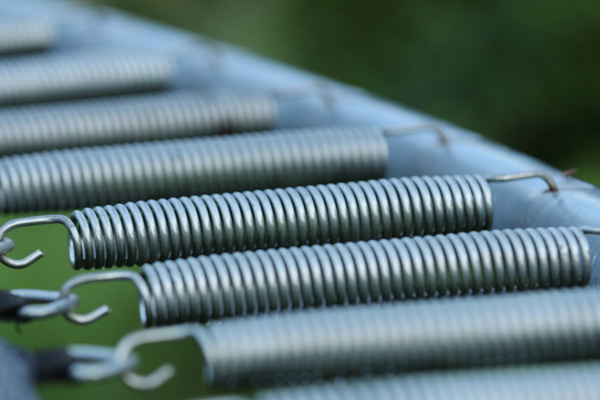
We know that within the elastic limit, the elongation (or contraction) of the spring is proportional to the external force.
2024-05-22
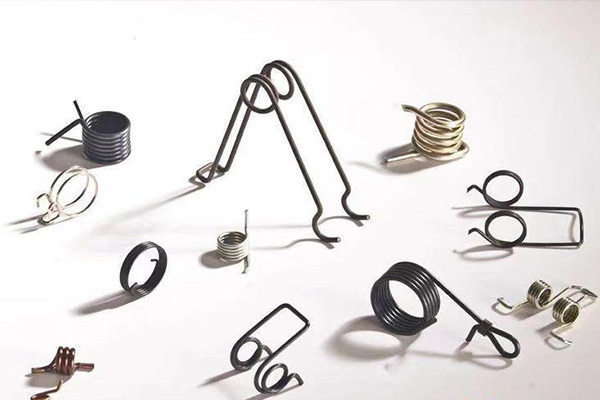
The current pattern of the spring industry
For the spring industry, for a long time, there has been an oversupply of low-grade ordinary springs.
2024-05-22
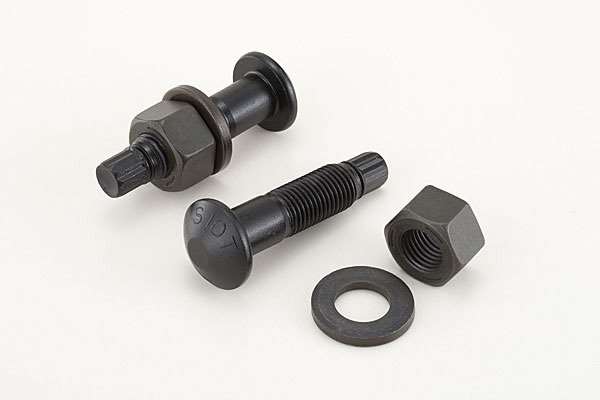
What material is generally used for high-strength bolts?
The upper limit of the tensile strength of the material used in high-strength bolts has a lot to do with the quenching treatment.
2024-05-22


Service E-mail
Service TEL
Address
Handan City, Hebei Province, China
To inquire about our products, please leave your email to us and we will contact you within 24 hours.
