



Understanding Welding Nails: An Essential Component in Industrial Fastening
2025-12-10
Welding nails, also known as stud welds, are specialized fasteners designed for applications that require strong and permanent connections. These nails are primarily used in welding processes, where they are fused to a material through the application of heat, creating a bond that is often stronger than the materials being joined. This unique method of fastening is particularly advantageous in env
Welding nails, also known as stud welds, are specialized fasteners designed for applications that require strong and permanent connections. These nails are primarily used in welding processes, where they are fused to a material through the application of heat, creating a bond that is often stronger than the materials being joined. This unique method of fastening is particularly advantageous in environments where traditional fastening methods, such as screws or bolts, may not provide the necessary strength or durability.
One of the most notable characteristics of welding nails is their versatility. They can be used on a variety of materials, including steel, aluminum, and other metals, making them suitable for a wide range of industrial applications. For instance, in construction, welding nails are commonly employed for securing metal parts in structural frameworks, while in manufacturing, they assist in assembling components of machinery and equipment.
Another advantage of welding nails is their efficiency. The welding process is generally faster than traditional methods, allowing for quicker assembly times and increased productivity. Moreover, since welding nails create a permanent bond, there is no need for additional fastening mechanisms, which can help reduce material costs and streamline the production process.
When selecting welding nails, it is essential to consider factors such as material compatibility, nail length, and thickness. Choosing the right type of welding nail ensures optimal performance and enhances the overall integrity of the assembly. Additionally, employing the correct welding technique is crucial, as it determines the strength of the bond. Common methods include arc welding and resistance welding, each with its own set of advantages and suitable applications.
Safety is another critical aspect when working with welding nails. Proper safety measures should always be observed, including the use of personal protective equipment (PPE) such as gloves, goggles, and face shields. Understanding the specific safety protocols related to welding operations is vital to prevent accidents and ensure a safe working environment.
In conclusion, welding nails are an indispensable component in the industrial fastening landscape. Their strength, versatility, and efficiency make them a preferred choice for various applications across multiple industries. Familiarizing oneself with the characteristics and proper usage of welding nails can significantly enhance the quality and durability of welded assemblies, ultimately leading to improved operational performance. Whether you are a contractor, manufacturer, or engineer, understanding the benefits and applications of welding nails will empower you to make informed decisions in your fastening needs.
One of the most notable characteristics of welding nails is their versatility. They can be used on a variety of materials, including steel, aluminum, and other metals, making them suitable for a wide range of industrial applications. For instance, in construction, welding nails are commonly employed for securing metal parts in structural frameworks, while in manufacturing, they assist in assembling components of machinery and equipment.
Another advantage of welding nails is their efficiency. The welding process is generally faster than traditional methods, allowing for quicker assembly times and increased productivity. Moreover, since welding nails create a permanent bond, there is no need for additional fastening mechanisms, which can help reduce material costs and streamline the production process.
When selecting welding nails, it is essential to consider factors such as material compatibility, nail length, and thickness. Choosing the right type of welding nail ensures optimal performance and enhances the overall integrity of the assembly. Additionally, employing the correct welding technique is crucial, as it determines the strength of the bond. Common methods include arc welding and resistance welding, each with its own set of advantages and suitable applications.
Safety is another critical aspect when working with welding nails. Proper safety measures should always be observed, including the use of personal protective equipment (PPE) such as gloves, goggles, and face shields. Understanding the specific safety protocols related to welding operations is vital to prevent accidents and ensure a safe working environment.
In conclusion, welding nails are an indispensable component in the industrial fastening landscape. Their strength, versatility, and efficiency make them a preferred choice for various applications across multiple industries. Familiarizing oneself with the characteristics and proper usage of welding nails can significantly enhance the quality and durability of welded assemblies, ultimately leading to improved operational performance. Whether you are a contractor, manufacturer, or engineer, understanding the benefits and applications of welding nails will empower you to make informed decisions in your fastening needs.
Key words:
RELATED INFORMATION
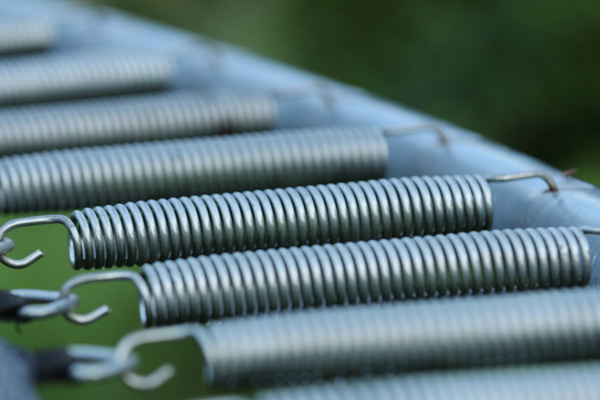
We know that within the elastic limit, the elongation (or contraction) of the spring is proportional to the external force.
2024-05-22
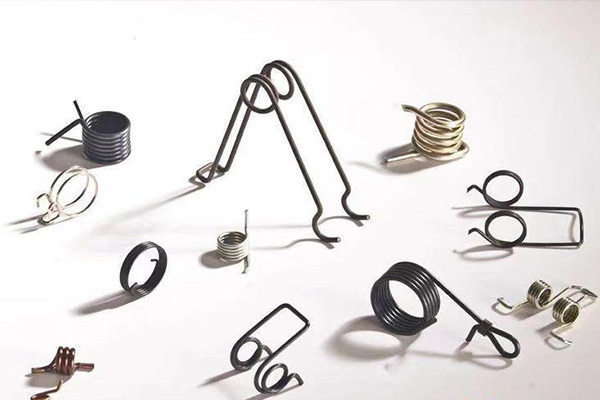
The current pattern of the spring industry
For the spring industry, for a long time, there has been an oversupply of low-grade ordinary springs.
2024-05-22
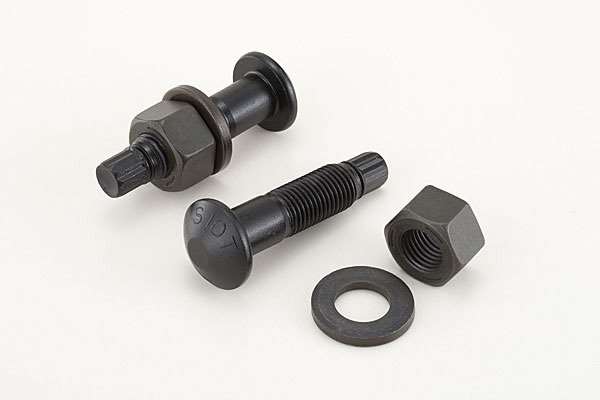
What material is generally used for high-strength bolts?
The upper limit of the tensile strength of the material used in high-strength bolts has a lot to do with the quenching treatment.
2024-05-22


Service E-mail
Service TEL
Address
Handan City, Hebei Province, China
To inquire about our products, please leave your email to us and we will contact you within 24 hours.
