



Understanding Stainless Steel Expansion: A Key Factor in Industrial Fasteners
2025-12-08
Stainless steel is a popular choice in the manufacturing of fasteners and connectors due to its corrosion resistance, strength, and aesthetic appeal. However, one aspect that often goes overlooked is how stainless steel expands and contracts with temperature fluctuations. Understanding stainless steel expansion is vital for engineers and designers in ensuring that their fastening solutions remain
Stainless steel is a popular choice in the manufacturing of fasteners and connectors due to its corrosion resistance, strength, and aesthetic appeal. However, one aspect that often goes overlooked is how stainless steel expands and contracts with temperature fluctuations. Understanding stainless steel expansion is vital for engineers and designers in ensuring that their fastening solutions remain effective under different environmental conditions.
When stainless steel is subjected to temperature changes, it undergoes thermal expansion. This means that as the temperature rises, the material expands, and as it cools, it contracts. The coefficient of thermal expansion for stainless steel typically ranges between 16 to 20 microstrain per degree Celsius, depending on the specific alloy used. This property can significantly influence the performance of fasteners, especially in applications where precision is critical.
For instance, in high-temperature environments, stainless steel expansion can lead to loosening of connections if adequate allowances are not made during the design phase. This can result in mechanical failure, potential safety hazards, and increased maintenance costs. Therefore, engineers must consider the thermal expansion characteristics of stainless steel when selecting fasteners for specific applications.
Moreover, the design of joints and connections should incorporate features that accommodate expansion and contraction. Using washers, springs, or other flexible components can help mitigate the effects of stainless steel expansion, ensuring that connections remain tight over time. It’s also important to consider the ambient conditions and the potential for varying temperatures when planning for the installation of stainless steel fasteners.
Additionally, the interaction between different materials can affect overall expansion behavior. For example, when stainless steel is used in combination with other metals, the differing expansion rates can create stresses at the joint interfaces. Designers must account for these differences to avoid issues such as galling or premature failure.
In summary, understanding stainless steel expansion is critical in the design and implementation of industrial fasteners and connectors. By acknowledging the thermal properties of stainless steel and incorporating this knowledge into the design process, engineers can create more reliable and efficient fastening solutions. Ensuring that fasteners can accommodate expansion and contraction not only enhances the longevity of the equipment but also promotes safety and operational efficiency in industrial settings.
When stainless steel is subjected to temperature changes, it undergoes thermal expansion. This means that as the temperature rises, the material expands, and as it cools, it contracts. The coefficient of thermal expansion for stainless steel typically ranges between 16 to 20 microstrain per degree Celsius, depending on the specific alloy used. This property can significantly influence the performance of fasteners, especially in applications where precision is critical.
For instance, in high-temperature environments, stainless steel expansion can lead to loosening of connections if adequate allowances are not made during the design phase. This can result in mechanical failure, potential safety hazards, and increased maintenance costs. Therefore, engineers must consider the thermal expansion characteristics of stainless steel when selecting fasteners for specific applications.
Moreover, the design of joints and connections should incorporate features that accommodate expansion and contraction. Using washers, springs, or other flexible components can help mitigate the effects of stainless steel expansion, ensuring that connections remain tight over time. It’s also important to consider the ambient conditions and the potential for varying temperatures when planning for the installation of stainless steel fasteners.
Additionally, the interaction between different materials can affect overall expansion behavior. For example, when stainless steel is used in combination with other metals, the differing expansion rates can create stresses at the joint interfaces. Designers must account for these differences to avoid issues such as galling or premature failure.
In summary, understanding stainless steel expansion is critical in the design and implementation of industrial fasteners and connectors. By acknowledging the thermal properties of stainless steel and incorporating this knowledge into the design process, engineers can create more reliable and efficient fastening solutions. Ensuring that fasteners can accommodate expansion and contraction not only enhances the longevity of the equipment but also promotes safety and operational efficiency in industrial settings.
Key words:
RELATED INFORMATION
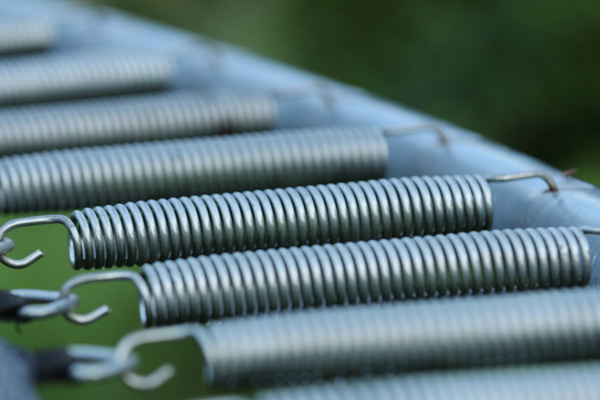
We know that within the elastic limit, the elongation (or contraction) of the spring is proportional to the external force.
2024-05-22
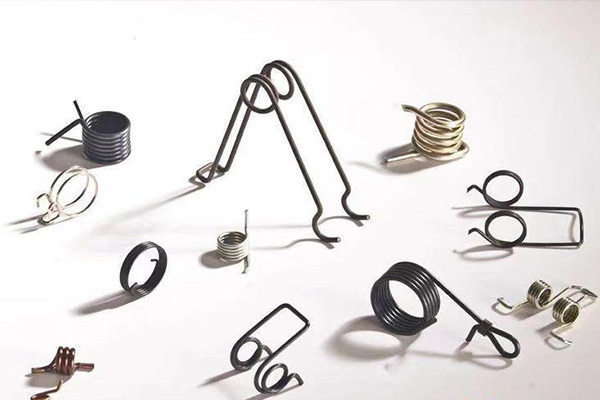
The current pattern of the spring industry
For the spring industry, for a long time, there has been an oversupply of low-grade ordinary springs.
2024-05-22
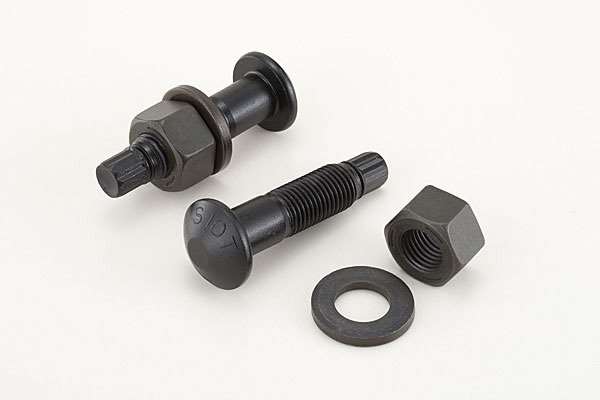
What material is generally used for high-strength bolts?
The upper limit of the tensile strength of the material used in high-strength bolts has a lot to do with the quenching treatment.
2024-05-22


Service E-mail
Service TEL
Address
Handan City, Hebei Province, China
To inquire about our products, please leave your email to us and we will contact you within 24 hours.
