



Understanding Welding Nails: Essential Insights for Your Industrial Needs
2025-11-16
Welding nails, also known as weld pins or stud welds, are specialized fasteners designed for various industrial applications. These nails are typically used in conjunction with welding equipment, where they are fused directly to the surface of metallic substrates. This method of fastening is highly efficient, providing a strong and permanent bond without the need for traditional nuts and bolts.
On
Welding nails, also known as weld pins or stud welds, are specialized fasteners designed for various industrial applications. These nails are typically used in conjunction with welding equipment, where they are fused directly to the surface of metallic substrates. This method of fastening is highly efficient, providing a strong and permanent bond without the need for traditional nuts and bolts.
One of the primary benefits of welding nails is their ability to streamline the assembly process. They significantly reduce the time and labor involved in fastening components. The welding process allows for a quick and secure attachment, making welding nails an ideal choice for high-volume manufacturing environments. This efficiency can lead to lower overall production costs and faster turnaround times for projects.
In terms of application, welding nails are commonly used in construction, automotive, and manufacturing industries. They can be instrumental in attaching insulation materials, creating load-bearing structures, and securing various components during assembly. Their versatility makes them suitable for both light and heavy-duty applications, depending on the specifications of the welding nails used.
When selecting welding nails, several factors should be considered. The material of the nails is crucial; they are typically made from carbon steel, stainless steel, or other alloys, depending on the strength and corrosion resistance required for the application. The size and shape of the nails also play a significant role in their performance. It is essential to choose nails that are compatible with the welding equipment and the materials being joined to ensure optimal results.
Additionally, proper training and knowledge of welding techniques are vital for the effective use of welding nails. Operators must understand how to set the correct parameters for the welding process, including voltage, travel speed, and pressure. Incorrect settings can lead to weak joints or damage to the base materials, negating the advantages of using welding nails.
In conclusion, welding nails are a critical component in the arsenal of fastening solutions within the industrial sector. Their ability to create strong, permanent bonds quickly and efficiently makes them a preferred choice for many applications. By understanding their advantages and the factors influencing their performance, professionals can harness the full potential of welding nails in their projects, enhancing productivity and safety in their operations.
One of the primary benefits of welding nails is their ability to streamline the assembly process. They significantly reduce the time and labor involved in fastening components. The welding process allows for a quick and secure attachment, making welding nails an ideal choice for high-volume manufacturing environments. This efficiency can lead to lower overall production costs and faster turnaround times for projects.
In terms of application, welding nails are commonly used in construction, automotive, and manufacturing industries. They can be instrumental in attaching insulation materials, creating load-bearing structures, and securing various components during assembly. Their versatility makes them suitable for both light and heavy-duty applications, depending on the specifications of the welding nails used.
When selecting welding nails, several factors should be considered. The material of the nails is crucial; they are typically made from carbon steel, stainless steel, or other alloys, depending on the strength and corrosion resistance required for the application. The size and shape of the nails also play a significant role in their performance. It is essential to choose nails that are compatible with the welding equipment and the materials being joined to ensure optimal results.
Additionally, proper training and knowledge of welding techniques are vital for the effective use of welding nails. Operators must understand how to set the correct parameters for the welding process, including voltage, travel speed, and pressure. Incorrect settings can lead to weak joints or damage to the base materials, negating the advantages of using welding nails.
In conclusion, welding nails are a critical component in the arsenal of fastening solutions within the industrial sector. Their ability to create strong, permanent bonds quickly and efficiently makes them a preferred choice for many applications. By understanding their advantages and the factors influencing their performance, professionals can harness the full potential of welding nails in their projects, enhancing productivity and safety in their operations.
Key words:
RELATED INFORMATION
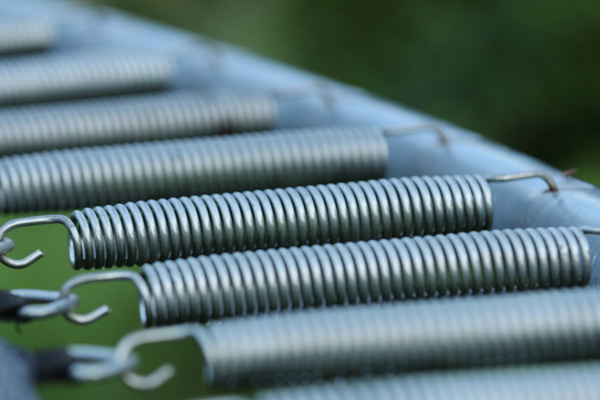
We know that within the elastic limit, the elongation (or contraction) of the spring is proportional to the external force.
2024-05-22
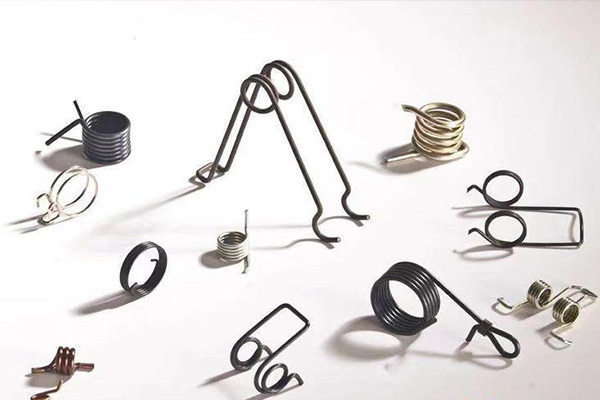
The current pattern of the spring industry
For the spring industry, for a long time, there has been an oversupply of low-grade ordinary springs.
2024-05-22
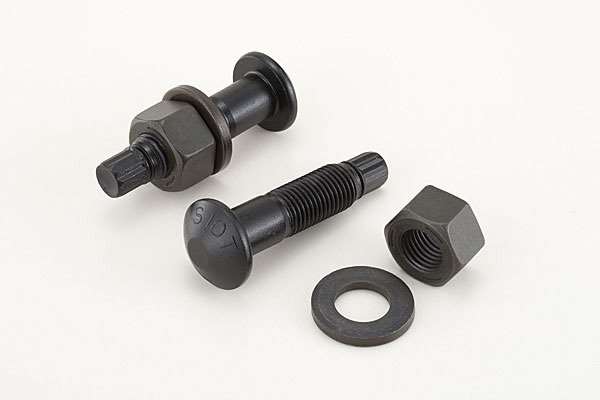
What material is generally used for high-strength bolts?
The upper limit of the tensile strength of the material used in high-strength bolts has a lot to do with the quenching treatment.
2024-05-22


Service E-mail
Service TEL
Address
Handan City, Hebei Province, China
To inquire about our products, please leave your email to us and we will contact you within 24 hours.
