



Embedded Parts in Harsh Environments: Ensuring Reliability and Performance
2025-11-17
Embedded Parts in Harsh Environments: Ensuring Reliability and Performance
Table of Contents
1. Introduction to Embedded Parts in Harsh Environments
2. Understanding Harsh Environments
3. Key Challenges for Embedded Parts
3.1 Temperature Extreme
3.2 Humidity and Moisture
3.3 Mechanical Stress and Vibration
3.4 Corrosive Elements
4. Materials Used for Embedded Parts
4.1 Metals: Strength and Durabil
Embedded Parts in Harsh Environments: Ensuring Reliability and Performance
Table of Contents
1. Introduction to Embedded Parts in Harsh Environments
2. Understanding Harsh Environments
3. Key Challenges for Embedded Parts
3.1 Temperature Extreme
3.2 Humidity and Moisture
3.3 Mechanical Stress and Vibration
3.4 Corrosive Elements
4. Materials Used for Embedded Parts
4.1 Metals: Strength and Durability
4.2 Plastics: Lightweight and Corrosion-Resistant
4.3 Composites: Combining Benefits
5. Design Considerations for Longevity
5.1 Sealing and Protection
5.2 Thermal Management
5.3 Ease of Maintenance
6. Testing and Validation of Embedded Parts
7. Real-World Applications of Embedded Parts
8. Future Trends in Embedded Parts for Harsh Environments
9. Frequently Asked Questions (FAQs)
10. Conclusion
1. Introduction to Embedded Parts in Harsh Environments
In today's rapidly evolving industrial landscape, embedded parts play a pivotal role in ensuring the functionality and reliability of various systems. These components, often subjected to extreme conditions, must perform consistently across a range of applications—from aerospace to marine industries. Understanding the unique requirements of embedded parts in harsh environments is essential for engineers and manufacturers aiming to achieve high performance and reliability.
2. Understanding Harsh Environments
Harsh environments encompass a wide array of conditions that can negatively impact the performance of embedded parts. These conditions can include extreme temperatures, high humidity, mechanical stress, and corrosive substances. As industries push the boundaries of technology, ensuring that embedded parts can withstand these challenges has never been more critical.
3. Key Challenges for Embedded Parts
Embedded parts face numerous challenges in harsh environments. Understanding these challenges helps in selecting the right materials and design elements to mitigate failure.
3.1 Temperature Extreme
Temperature extremes can lead to thermal expansion and contraction, which may compromise the integrity of embedded parts. High temperatures can degrade materials, while low temperatures can cause brittleness. The choice of materials with appropriate thermal properties is crucial for maintaining performance.
3.2 Humidity and Moisture
Moisture can lead to corrosion and failure of electronic parts. Embedded components must be designed to resist water ingress and potential short circuits. Utilizing materials with low moisture absorption rates and employing effective sealing techniques are essential strategies.
3.3 Mechanical Stress and Vibration
In harsh environments, embedded parts often experience mechanical stress due to vibrations and shocks. This stress can lead to fatigue, causing premature failure. Selecting robust components and using vibration-dampening techniques can enhance longevity.
3.4 Corrosive Elements
Exposure to corrosive elements, such as saltwater or chemical agents, can severely impact embedded parts. Protective coatings, material selection, and regular maintenance can help mitigate these risks.
4. Materials Used for Embedded Parts
The choice of materials is paramount in ensuring the performance of embedded parts in harsh environments. Each material offers distinct advantages and disadvantages.
4.1 Metals: Strength and Durability
Metals, such as stainless steel and aluminum, offer exceptional strength and durability. They are ideal for applications where mechanical integrity is critical. However, metals can be prone to corrosion if not properly treated.
4.2 Plastics: Lightweight and Corrosion-Resistant
Plastics are increasingly utilized for embedded parts due to their lightweight nature and resistance to corrosion. Advanced polymers can withstand various chemical environments, making them ideal for specific applications.
4.3 Composites: Combining Benefits
Composite materials combine the benefits of both metals and plastics. They offer high strength-to-weight ratios and resistance to environmental factors, making them suitable for demanding applications.
5. Design Considerations for Longevity
Designing embedded parts for harsh environments requires careful consideration of various factors to ensure longevity and reliability.
5.1 Sealing and Protection
Implementing effective sealing techniques is vital to protecting embedded parts from environmental threats. O-rings, gaskets, and potting compounds can provide robust barriers against moisture and contaminants.
5.2 Thermal Management
Effective thermal management systems must be incorporated into the design to dissipate heat and maintain optimal operating temperatures. Heat sinks, fans, and thermal pads are common solutions.
5.3 Ease of Maintenance
Designing for maintainability is crucial in harsh environments. Easy access for inspections, repairs, and replacements can significantly extend the life of embedded parts.
6. Testing and Validation of Embedded Parts
Rigorous testing and validation processes are essential to ensure that embedded parts can withstand harsh conditions. These processes may include thermal cycling tests, humidity exposure tests, and vibration tests. Implementing a comprehensive testing strategy guarantees reliability in real-world applications.
7. Real-World Applications of Embedded Parts
Embedded parts are utilized across various industries, each with unique requirements and challenges. Examples include:
- **Aerospace:** Components must withstand extreme temperatures and pressures during flight.
- **Automotive:** Parts must endure vibrations, temperature fluctuations, and corrosive environments.
- **Marine:** Equipment must resist saltwater corrosion and harsh weather conditions.
- **Industrial:** Components in manufacturing equipment face mechanical stress and exposure to various chemicals.
8. Future Trends in Embedded Parts for Harsh Environments
The future of embedded parts in harsh environments is driven by advancements in materials science and technology. Emerging trends include:
- **Smart Materials:** Adaptive materials that can respond to environmental changes.
- **IoT Integration:** Increasing connectivity for real-time monitoring and diagnostics.
- **Sustainability:** Development of eco-friendly materials without compromising performance.
9. Frequently Asked Questions (FAQs)
What are embedded parts?
Embedded parts are components integrated into a system that perform specific functions, often subject to environmental challenges.
Why are harsh environments a concern for embedded parts?
Harsh environments can lead to material degradation, mechanical failure, and reduced performance, necessitating careful selection and design.
What materials are best for embedded parts in extreme conditions?
Metals, plastics, and composites are commonly used, each offering unique advantages depending on the application.
How can I ensure the reliability of embedded parts?
Selecting appropriate materials, designing for protection and maintainability, and performing rigorous testing are critical steps in ensuring reliability.
What industries require reliable embedded parts?
Industries such as aerospace, automotive, marine, and industrial manufacturing require embedded parts capable of withstanding harsh conditions.
10. Conclusion
Ensuring the reliability and performance of embedded parts in harsh environments is a multifaceted challenge that requires careful consideration of materials, design, and testing. By understanding the unique challenges posed by extreme conditions and implementing effective strategies, manufacturers can develop embedded components that not only meet but exceed the demands of today’s industrial applications. As technology continues to advance, embracing new materials and design philosophies will be essential for maintaining performance in the face of evolving environmental challenges.
Key words:
RELATED INFORMATION
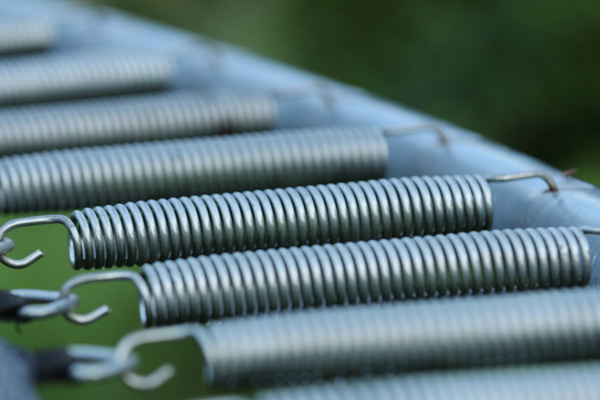
We know that within the elastic limit, the elongation (or contraction) of the spring is proportional to the external force.
2024-05-22
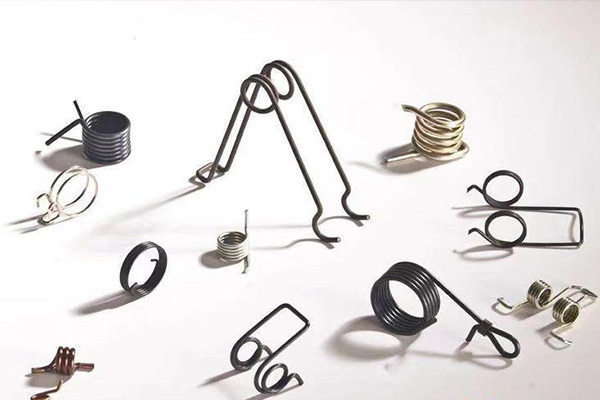
The current pattern of the spring industry
For the spring industry, for a long time, there has been an oversupply of low-grade ordinary springs.
2024-05-22
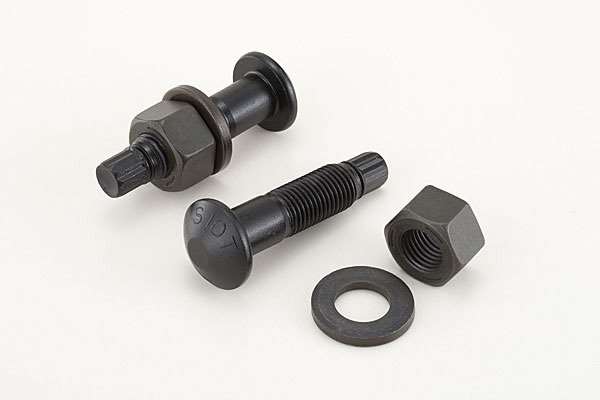
What material is generally used for high-strength bolts?
The upper limit of the tensile strength of the material used in high-strength bolts has a lot to do with the quenching treatment.
2024-05-22


Service E-mail
Service TEL
Address
Handan City, Hebei Province, China
To inquire about our products, please leave your email to us and we will contact you within 24 hours.
