



Why Stainless Steel Nuts Are Essential for Corrosion Resistance: A Comprehensive Guide
2025-11-15
Why Stainless Steel Nuts Are Essential for Corrosion Resistance
Table of Contents
Introduction to Stainless Steel Nuts
Understanding Corrosion Resistance
Benefits of Using Stainless Steel Nuts
Types of Stainless Steel Nuts
Applications of Stainless Steel Nuts in Various Industries
Best Practices for Installing Stainless Steel Nuts
Maintaining Stainless Steel Nuts f
Why Stainless Steel Nuts Are Essential for Corrosion Resistance
Table of Contents
- Introduction to Stainless Steel Nuts
- Understanding Corrosion Resistance
- Benefits of Using Stainless Steel Nuts
- Types of Stainless Steel Nuts
- Applications of Stainless Steel Nuts in Various Industries
- Best Practices for Installing Stainless Steel Nuts
- Maintaining Stainless Steel Nuts for Longevity
- Frequently Asked Questions
- Conclusion
Introduction to Stainless Steel Nuts
Stainless steel nuts have become an essential component in various applications due to their superior **corrosion resistance** and durability. These nuts, often used in conjunction with bolts and screws, play a crucial role in fastening and securing components in numerous industries, including construction, automotive, and manufacturing. Unlike traditional steel nuts, which are susceptible to rust and corrosion when exposed to moisture and chemicals, stainless steel nuts maintain their integrity even in harsh environments.
In this guide, we will explore why stainless steel nuts are vital for **corrosion resistance**, their various types, and their advantages in different applications.
Understanding Corrosion Resistance
Corrosion is a natural process where metals deteriorate due to environmental factors such as moisture, oxygen, and chemicals. This degradation can lead to significant structural failures, costly repairs, and even hazardous situations. **Corrosion resistance** refers to a material's ability to withstand this degradation without compromising its performance.
Stainless steel, particularly grades like 304 and 316, contains chromium, which forms a protective passive layer on the surface of the metal. This layer prevents moisture and oxygen from penetrating the material, thereby significantly reducing the likelihood of rust and corrosion. The incorporation of elements like nickel and molybdenum in certain stainless steel grades further enhances their resistance to more aggressive corrosive environments, such as those found in marine or chemical processing applications.
Benefits of Using Stainless Steel Nuts
The advantages of stainless steel nuts extend beyond just **corrosion resistance**. Here are some key benefits:
1. Longevity and Durability
Stainless steel nuts are designed to withstand extreme conditions, making them a long-lasting choice for various applications. Their ability to resist rust and corrosion ensures that they maintain their holding power over time, reducing the frequency of replacements.
2. Aesthetic Appeal
These nuts have a sleek and polished appearance that can enhance the overall look of a project. They are often used in visible areas where aesthetics matter, providing both functionality and visual appeal.
3. High Strength-to-Weight Ratio
Stainless steel nuts offer excellent strength without adding significant weight. This makes them ideal for applications where weight savings are critical, such as in aerospace and automotive engineering.
4. Versatile Applications
Stainless steel nuts can be used in a wide range of environments, from coastal locations where saltwater corrosion is a concern to chemical plants where exposure to harsh substances is commonplace.
5. Low Maintenance Requirements
Due to their corrosion-resistant properties, stainless steel nuts require minimal maintenance compared to other materials. This can lead to cost savings in the long run, as less time and resources are needed for upkeep.
Types of Stainless Steel Nuts
Understanding the different types of stainless steel nuts available can help you make an informed choice based on your specific needs. Here are some common types:
1. Hex Nuts
Hex nuts are the most widely used type of nut, featuring a hexagonal shape that allows for easy tightening with a wrench. They are available in various grades of stainless steel, making them suitable for numerous applications.
2. Lock Nuts
Lock nuts are designed to prevent loosening due to vibration. They have a nylon insert or a serrated surface that grips the bolt securely, ensuring a stable connection in high-vibration environments.
3. Flange Nuts
Flange nuts feature a wide flange at one end, which distributes the load over a larger area. This type of nut is ideal for soft materials or when additional load distribution is required.
4. Cap Nuts
Cap nuts have a closed end, providing a finished look while also protecting threaded ends from debris and corrosion. They are commonly used in decorative applications.
5. Wing Nuts
Wing nuts are designed for hand-tightening, featuring two "wings" that allow for quick adjustments without tools. They are ideal for applications requiring frequent removal and reinstallation.
Applications of Stainless Steel Nuts in Various Industries
Stainless steel nuts are utilized across a broad spectrum of industries due to their versatile properties. Here are some key sectors where they are indispensable:
1. Construction
In the construction industry, stainless steel nuts are used to secure structural components, ensuring safety and stability in buildings and infrastructure. Their resistance to weathering makes them ideal for outdoor applications.
2. Automotive
Automotive manufacturers rely on stainless steel nuts for critical fastening applications. These nuts help maintain the integrity of vehicles, especially those exposed to harsh conditions and chemicals.
3. Marine
Marine applications demand materials that can withstand exposure to saltwater. Stainless steel nuts are a standard choice for boats and ships, providing durability and preventing corrosion in humid environments.
4. Food Processing
The food processing industry requires fasteners that resist corrosion and are easy to clean. Stainless steel nuts meet these criteria, ensuring safety and hygiene in food-related applications.
5. Chemical Manufacturing
In chemical processing plants, stainless steel nuts are essential for securing equipment and preventing leaks. Their resistance to aggressive chemicals ensures that they maintain performance under high-stress conditions.
Best Practices for Installing Stainless Steel Nuts
Proper installation of stainless steel nuts is crucial for ensuring their effectiveness. Here are some best practices to follow:
1. Use the Right Tools
Always use appropriate tools, such as torque wrenches, to tighten stainless steel nuts. This helps prevent over-tightening, which can lead to damage or failure.
2. Clean Threads Before Installation
Ensure that the threads of both the bolt and nut are clean and free from debris. Contaminants can hinder the connection and reduce the effectiveness of the fastening system.
3. Apply Anti-Seize Lubricant
In applications exposed to extreme environments, consider applying an anti-seize lubricant to the threads. This can help prevent galling, making future disassembly easier.
4. Inspect Regularly
Regular inspections can identify any signs of wear or corrosion. Early detection allows for timely replacements and maintains the integrity of the assembly.
Maintaining Stainless Steel Nuts for Longevity
While stainless steel nuts require less maintenance than other materials, taking care of them can extend their lifespan further. Here are some maintenance tips:
1. Regular Cleaning
Periodically clean stainless steel nuts with a mild detergent and water to remove contaminants. A soft cloth or brush can help restore their appearance without scratching the surface.
2. Avoid Harsh Chemicals
When cleaning, avoid using abrasive cleaners or harsh chemicals that can damage the protective layer on stainless steel. Opt for gentle solutions to maintain their finish.
3. Monitor Environmental Conditions
In environments with high humidity or exposure to corrosive substances, keep an eye on the performance of stainless steel nuts. Consider proactive replacement if signs of corrosion appear.
Frequently Asked Questions
1. Why should I choose stainless steel nuts over carbon steel nuts?
Stainless steel nuts offer superior corrosion resistance, making them suitable for harsh environments where carbon steel would rust and fail.
2. What grades of stainless steel are best for nuts?
Common grades for stainless steel nuts include 304 and 316. Grade 316 offers better corrosion resistance in marine environments due to the addition of molybdenum.
3. Can stainless steel nuts be reused?
Yes, stainless steel nuts can often be reused if they show no signs of wear or damage. However, it’s essential to inspect them thoroughly before reinstallation.
4. How do I prevent galling in stainless steel nuts?
Using anti-seize lubricants during installation can help prevent galling, especially in high-stress applications. Proper torque application is also crucial.
5. Are stainless steel nuts compatible with other metals?
While stainless steel nuts can be used with various metals, it’s essential to consider the potential for galvanic corrosion when using them with dissimilar metals.
Conclusion
Stainless steel nuts are indispensable in the industrial landscape, offering unmatched **corrosion resistance** and durability. Their various types cater to a diverse array of applications, ensuring that they meet the specific needs of different industries. By understanding their benefits and following best practices for installation and maintenance, you can maximize the performance and longevity of stainless steel nuts in your projects. Choosing these fasteners not only enhances safety and reliability but also contributes to the overall efficiency of your operations.
Key words:
RELATED INFORMATION
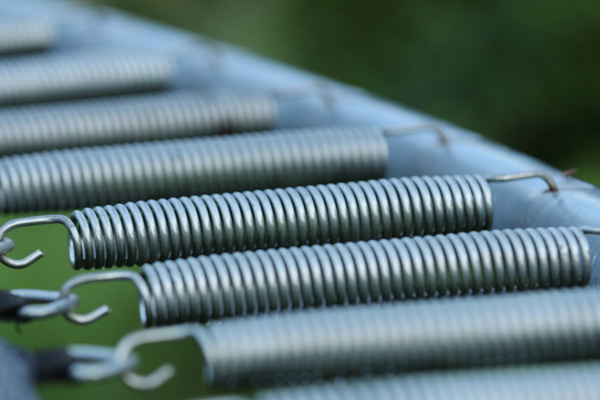
We know that within the elastic limit, the elongation (or contraction) of the spring is proportional to the external force.
2024-05-22
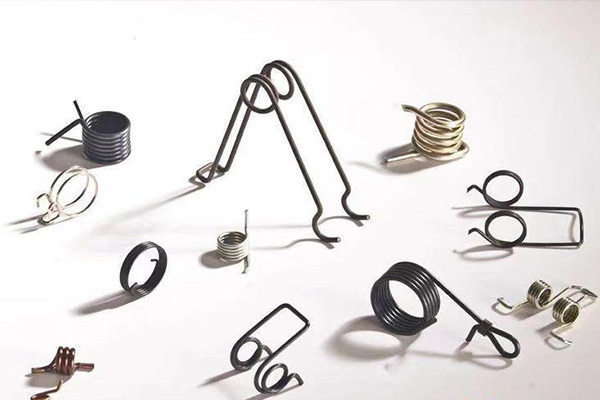
The current pattern of the spring industry
For the spring industry, for a long time, there has been an oversupply of low-grade ordinary springs.
2024-05-22
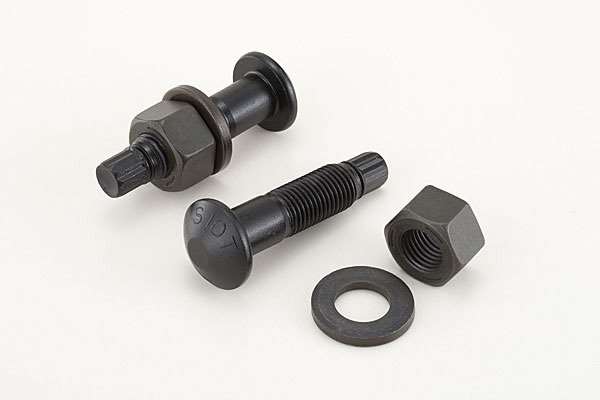
What material is generally used for high-strength bolts?
The upper limit of the tensile strength of the material used in high-strength bolts has a lot to do with the quenching treatment.
2024-05-22


Service E-mail
Service TEL
Address
Handan City, Hebei Province, China
To inquire about our products, please leave your email to us and we will contact you within 24 hours.
