



Understanding Stainless Steel Drill Tail Wire: A Comprehensive Guide
2025-11-06
Stainless steel drill tail wire is a specialized type of wire used primarily in various industrial applications, particularly in the fastening and connecting sectors. This wire is characterized by its robust construction and resistance to corrosion, making it an ideal choice for environments where durability and reliability are paramount.
One of the primary applications of stainless steel drill ta
Stainless steel drill tail wire is a specialized type of wire used primarily in various industrial applications, particularly in the fastening and connecting sectors. This wire is characterized by its robust construction and resistance to corrosion, making it an ideal choice for environments where durability and reliability are paramount.
One of the primary applications of stainless steel drill tail wire is in the assembly of components that require secure fastening. The wire's strength allows it to hold parts together effectively, ensuring that machinery and structures maintain their integrity under stress. The drill tail design, which often features a tapered end, facilitates easy insertion into pre-drilled holes, thereby streamlining the assembly process. This feature is especially valuable in industries that prioritize efficiency and precision.
In addition to its mechanical properties, stainless steel drill tail wire offers several advantages over other materials. Its corrosion resistance is one of its standout features; stainless steel can withstand exposure to moisture, chemicals, and extreme temperatures without degrading. This property is crucial for applications in harsh environments, such as marine or chemical processing industries, where traditional materials may fail. The longevity of stainless steel drill tail wire can lead to reduced maintenance costs and longer service life for assembled products.
Another important aspect to consider when working with stainless steel drill tail wire is the diameter and tensile strength. Selecting the appropriate gauge of wire is essential to ensure that it can handle the required load without risk of breakage. Manufacturers often provide specifications that outline the wire's tensile strength, which can help engineers and designers choose the right product for their specific applications.
Additionally, the installation process for stainless steel drill tail wire must be carried out with precision. Proper techniques, such as using the right drill size and ensuring that the wire is adequately seated, are vital for achieving optimal performance. Misalignment or improper installation can lead to failures, which underscores the importance of training personnel in effective usage practices.
In summary, stainless steel drill tail wire is a versatile and essential component in the industrial fastening and connecting sectors. Its durability, resistance to corrosion, and ease of installation make it a favored choice among professionals. Understanding the various attributes and applications of this wire can empower industries to make informed decisions that enhance their operational efficiency and product reliability. Whether you are involved in manufacturing, construction, or another sector, being knowledgeable about stainless steel drill tail wire can significantly benefit your work.
One of the primary applications of stainless steel drill tail wire is in the assembly of components that require secure fastening. The wire's strength allows it to hold parts together effectively, ensuring that machinery and structures maintain their integrity under stress. The drill tail design, which often features a tapered end, facilitates easy insertion into pre-drilled holes, thereby streamlining the assembly process. This feature is especially valuable in industries that prioritize efficiency and precision.
In addition to its mechanical properties, stainless steel drill tail wire offers several advantages over other materials. Its corrosion resistance is one of its standout features; stainless steel can withstand exposure to moisture, chemicals, and extreme temperatures without degrading. This property is crucial for applications in harsh environments, such as marine or chemical processing industries, where traditional materials may fail. The longevity of stainless steel drill tail wire can lead to reduced maintenance costs and longer service life for assembled products.
Another important aspect to consider when working with stainless steel drill tail wire is the diameter and tensile strength. Selecting the appropriate gauge of wire is essential to ensure that it can handle the required load without risk of breakage. Manufacturers often provide specifications that outline the wire's tensile strength, which can help engineers and designers choose the right product for their specific applications.
Additionally, the installation process for stainless steel drill tail wire must be carried out with precision. Proper techniques, such as using the right drill size and ensuring that the wire is adequately seated, are vital for achieving optimal performance. Misalignment or improper installation can lead to failures, which underscores the importance of training personnel in effective usage practices.
In summary, stainless steel drill tail wire is a versatile and essential component in the industrial fastening and connecting sectors. Its durability, resistance to corrosion, and ease of installation make it a favored choice among professionals. Understanding the various attributes and applications of this wire can empower industries to make informed decisions that enhance their operational efficiency and product reliability. Whether you are involved in manufacturing, construction, or another sector, being knowledgeable about stainless steel drill tail wire can significantly benefit your work.
Key words:
RELATED INFORMATION
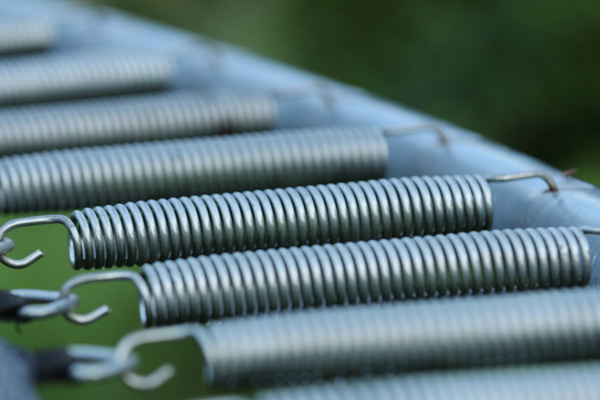
We know that within the elastic limit, the elongation (or contraction) of the spring is proportional to the external force.
2024-05-22
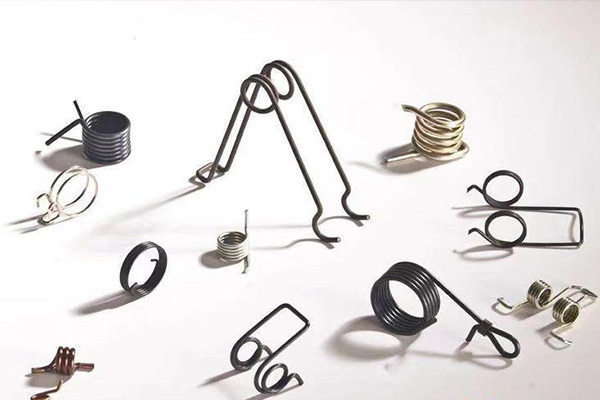
The current pattern of the spring industry
For the spring industry, for a long time, there has been an oversupply of low-grade ordinary springs.
2024-05-22
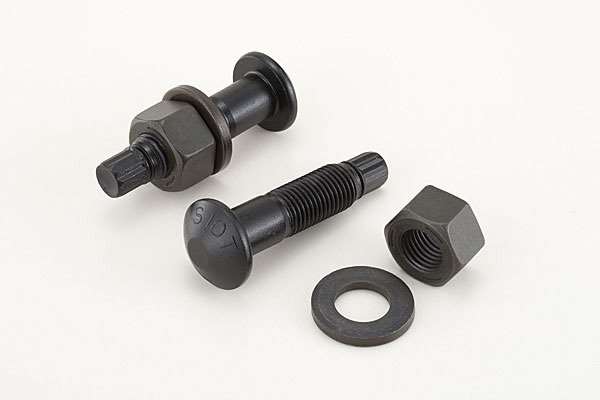
What material is generally used for high-strength bolts?
The upper limit of the tensile strength of the material used in high-strength bolts has a lot to do with the quenching treatment.
2024-05-22


Service E-mail
Service TEL
Address
Handan City, Hebei Province, China
To inquire about our products, please leave your email to us and we will contact you within 24 hours.
