



The Versatility of Stainless Steel Pins Across Diverse Industries
2025-11-07
The Versatility of Stainless Steel Pins Across Diverse Industries
Stainless steel pins are indispensable components in numerous industries, serving as critical fasteners that ensure the stability and integrity of various applications. Known for their strength, corrosion resistance, and versatility, these pins have found a prominent place in manufacturing, construction, automotive, and many other s
The Versatility of Stainless Steel Pins Across Diverse Industries
Stainless steel pins are indispensable components in numerous industries, serving as critical fasteners that ensure the stability and integrity of various applications. Known for their strength, corrosion resistance, and versatility, these pins have found a prominent place in manufacturing, construction, automotive, and many other sectors. In this article, we delve into the diverse applications of stainless steel pins, their benefits, types, and innovative uses that highlight their importance across various fields.
Table of Contents
1. Introduction to Stainless Steel Pins
2. Why Choose Stainless Steel for Pins?
2.1 Corrosion Resistance
2.2 Strength and Durability
2.3 Aesthetic Appeal
3. Types of Stainless Steel Pins
3.1 Solid Pins
3.2 Spring Pins
3.3 Taper Pins
3.4 Dowel Pins
4. Applications Across Industries
4.1 Manufacturing
4.2 Automotive
4.3 Construction
4.4 Aerospace
4.5 Medical Devices
5. Benefits of Using Stainless Steel Pins
6. Future Trends in Stainless Steel Pin Usage
7. Frequently Asked Questions (FAQs)
8. Conclusion
1. Introduction to Stainless Steel Pins
Stainless steel pins are engineered fasteners that play a crucial role in ensuring the structural integrity and functionality of various products. They are designed to connect or hold components together in a reliable manner. These pins are made from stainless steel, a material that combines iron with chromium and other elements to enhance its properties. This unique composition results in exceptional resistance to rust, making stainless steel pins suitable for both indoor and outdoor applications.
2. Why Choose Stainless Steel for Pins?
When it comes to selecting materials for fasteners, stainless steel stands out due to several intrinsic properties.
2.1 Corrosion Resistance
One of the primary advantages of stainless steel pins is their impressive **corrosion resistance**. This characteristic is essential in environments exposed to moisture, chemicals, or extreme weather conditions. Unlike traditional steel, stainless steel does not readily rust, ensuring a longer lifespan for the pins and the structures they support.
2.2 Strength and Durability
Stainless steel pins exhibit remarkable **strength and durability**, making them suitable for both heavy-duty and precision applications. They can withstand significant tensile and shear forces, which is critical for maintaining the integrity of machinery and structural components.
2.3 Aesthetic Appeal
In addition to their functional benefits, stainless steel pins offer a sleek and polished appearance. This aesthetic appeal makes them an ideal choice for applications where appearance matters, such as in consumer products and high-end machinery.
3. Types of Stainless Steel Pins
Stainless steel pins come in various types, each designed for specific applications and requirements.
3.1 Solid Pins
Solid pins are simple, cylindrical rods typically used to connect two or more components. They can be used for alignment, pivoting, or as a retaining element.
3.2 Spring Pins
Spring pins, also known as slotted pins, are designed for applications that require flexibility. Their split design allows them to compress, making installation easier and allowing for a secure fit without the need for additional tools.
3.3 Taper Pins
Taper pins are conical in shape and are generally used for precise alignment of parts. Their tapered design helps to lock components into place as they are inserted, minimizing the risk of movement or loosening over time.
3.4 Dowel Pins
Dowel pins are typically used for alignment and are inserted into drilled holes in two or more components to ensure accurate positioning. They are commonly used in furniture assembly and machinery.
4. Applications Across Industries
The versatility of stainless steel pins is evident in their wide-ranging applications across various industries.
4.1 Manufacturing
In the manufacturing sector, stainless steel pins are vital for assembling machinery and equipment. They provide reliable fastening solutions that can endure the stresses of production processes. Their corrosion resistance makes them ideal for facilities that involve harsh chemicals or moisture.
4.2 Automotive
The automotive industry heavily relies on stainless steel pins for various applications, including engine assembly, bodywork, and suspension systems. Their ability to withstand vibration and resist corrosion ensures the longevity of vehicles.
4.3 Construction
In construction, stainless steel pins are used in structural frameworks, fixtures, and fittings. Their strength and resistance to environmental factors make them a preferred choice for both residential and commercial buildings.
4.4 Aerospace
The aerospace industry demands the highest standards of safety and performance. Stainless steel pins are used in aircraft assembly, ensuring that components are securely fastened and able to withstand extreme conditions.
4.5 Medical Devices
In the medical field, stainless steel pins are crucial for manufacturing medical devices and surgical instruments. Their **bio-compatibility** and corrosion resistance make them suitable for applications in sterile environments.
5. Benefits of Using Stainless Steel Pins
Choosing stainless steel pins over other materials offers several distinct advantages:
- **Longevity**: The durability and corrosion resistance of stainless steel ensure that pins maintain their integrity over time, reducing the need for replacements.
- **Cost-Effectiveness**: While the initial cost may be higher than other materials, the longevity and reduced maintenance costs associated with stainless steel pins make them a more economical choice in the long run.
- **Versatility**: With various types available, stainless steel pins can be used in a multitude of applications, making them a one-size-fits-all solution in many industries.
- **Safety**: The reliability of stainless steel pins ensures that they perform well under pressure, minimizing the risk of failure in critical applications.
6. Future Trends in Stainless Steel Pin Usage
As industries continue to evolve, the demand for stainless steel pins is likely to grow. Future trends may include:
- **Sustainability**: With increasing emphasis on environmentally friendly practices, the production of stainless steel pins is expected to adopt more sustainable methods and materials.
- **Technological Advancements**: Innovations in manufacturing processes may lead to the development of new types of stainless steel pins that offer enhanced performance and additional features, such as integrated sensors for monitoring.
- **Customization**: As industries become more specialized, the demand for customized stainless steel pins that meet specific requirements is likely to increase.
7. Frequently Asked Questions (FAQs)
1. What are stainless steel pins used for?
Stainless steel pins are used as fasteners in various applications across industries, including manufacturing, construction, automotive, aerospace, and medical devices.
2. How do I choose the right type of stainless steel pin?
Choosing the right type depends on your application needs. Consider factors such as load requirements, environmental conditions, and whether you need flexibility or rigidity.
3. Are stainless steel pins resistant to rust?
Yes, stainless steel pins are highly resistant to rust due to their chromium content, which forms a protective oxide layer on the surface.
4. Can stainless steel pins be reused?
In many cases, stainless steel pins can be reused if they remain undamaged. However, it's essential to inspect them for wear and tear before reusing.
5. Where can I purchase stainless steel pins?
Stainless steel pins can be purchased from industrial suppliers, hardware stores, and online marketplaces specializing in fasteners.
8. Conclusion
Stainless steel pins are a vital component in a wide array of industries, known for their strength, durability, and resistance to corrosion. Their versatility ensures that they meet the evolving demands of manufacturing, automotive, construction, aerospace, and medical applications. By understanding the types, benefits, and applications of stainless steel pins, businesses can make informed decisions that enhance efficiency and reliability in their operations. As we look to the future, the innovations in stainless steel pin technology promise to further enhance their role as essential fasteners in an ever-changing industrial landscape.
Key words:
RELATED INFORMATION
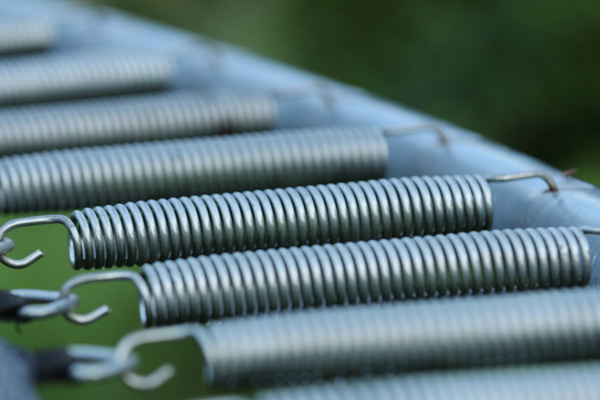
We know that within the elastic limit, the elongation (or contraction) of the spring is proportional to the external force.
2024-05-22
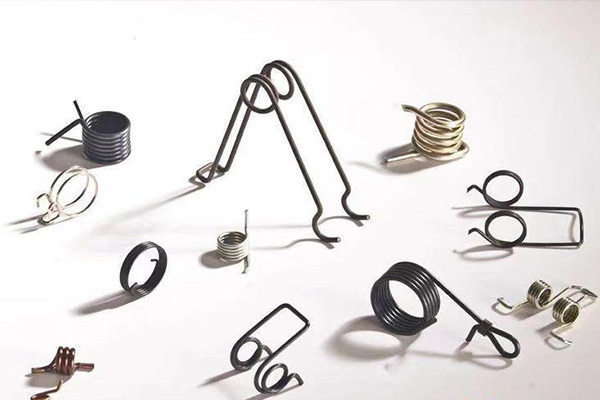
The current pattern of the spring industry
For the spring industry, for a long time, there has been an oversupply of low-grade ordinary springs.
2024-05-22
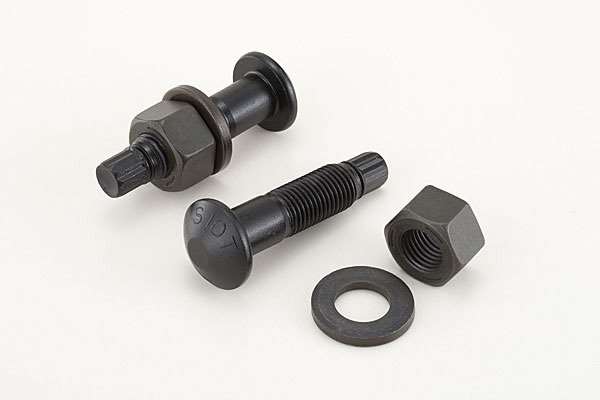
What material is generally used for high-strength bolts?
The upper limit of the tensile strength of the material used in high-strength bolts has a lot to do with the quenching treatment.
2024-05-22


Service E-mail
Service TEL
Address
Handan City, Hebei Province, China
To inquire about our products, please leave your email to us and we will contact you within 24 hours.
