



Comprehensive Guide on How to Maintain and Inspect Embedded Parts in Industrial Equipment
2025-11-05
How to Maintain and Inspect Embedded Parts in Industrial Equipment
Table of Contents
Introduction to Embedded Parts in Industrial Equipment
Importance of Maintaining Embedded Parts
Common Types of Embedded Parts in Industrial Equipment
Effective Inspection Techniques for Embedded Parts
Best Maintenance Procedures for Embedded Parts
Safety Protocols During Inspection and Maintenance
How to Maintain and Inspect Embedded Parts in Industrial Equipment
Table of Contents
- Introduction to Embedded Parts in Industrial Equipment
- Importance of Maintaining Embedded Parts
- Common Types of Embedded Parts in Industrial Equipment
- Effective Inspection Techniques for Embedded Parts
- Best Maintenance Procedures for Embedded Parts
- Safety Protocols During Inspection and Maintenance
- Troubleshooting Common Issues with Embedded Parts
- Conclusion
- FAQs on Maintaining and Inspecting Embedded Parts
Introduction to Embedded Parts in Industrial Equipment
Industrial equipment is fundamental to modern manufacturing processes, providing the backbone for various operations across different sectors. Embedded parts, such as fasteners and connectors, play a crucial role in ensuring the structural integrity and functionality of this equipment. Their proper maintenance and inspection are essential to prevent unexpected failures that could lead to costly downtime and safety hazards.
In this guide, we delve into the intricacies of maintaining and inspecting embedded parts in industrial equipment. By understanding the significance of these components and the best practices for their upkeep, we can ensure optimal performance and longevity.
Importance of Maintaining Embedded Parts
The maintenance of embedded parts is not merely a best practice; it is a necessity in industrial operations. Here are several reasons why this maintenance is critical:
1. Enhancing Safety
Failing to maintain embedded parts can lead to equipment malfunctions that pose serious safety risks. Regular inspections help identify potential issues before they escalate.
2. Reducing Downtime
Scheduled maintenance and inspections allow for timely identification of component wear and tear. This proactive approach significantly reduces unplanned downtime, ensuring that operations run smoothly.
3. Maximizing Equipment Lifespan
Proper maintenance can extend the lifespan of embedded parts and the equipment as a whole. By preventing premature wear, organizations can maximize their return on investment.
4. Compliance with Regulations
Many industries are subject to strict regulations concerning equipment safety and performance. Regular inspections and maintenance help ensure compliance with these standards, avoiding legal penalties.
Common Types of Embedded Parts in Industrial Equipment
Understanding the types of embedded parts is essential for effective maintenance and inspection. Below are some common categories:
1. Fasteners
Fasteners, including bolts, nuts, and screws, are crucial for holding components together. Ensuring their integrity is vital for equipment stability.
2. Bearings
Bearings facilitate movement and reduce friction between moving parts. Regular inspection of bearings is necessary to prevent overheating and failure.
3. Seals and Gaskets
These components prevent leaks and contamination. Inspecting seals and gaskets is essential to maintain the equipment's operational efficiency.
4. Connectors
Connectors are essential for electrical and hydraulic systems. Ensuring their reliability is key to overall equipment performance.
Effective Inspection Techniques for Embedded Parts
Regular inspections are vital for identifying issues early. Here are some effective techniques:
1. Visual Inspections
Conducting comprehensive visual inspections can help identify visible wear, corrosion, or misalignment. These inspections should be part of the routine maintenance schedule.
2. Ultrasonic Testing
Ultrasonic testing is a non-destructive method that uses high-frequency sound waves to detect flaws in materials. This technique is particularly useful for hidden embedded parts.
3. Vibration Analysis
Vibration analysis can detect changes in machine behavior, indicating potential issues with embedded parts. Monitoring vibrations can prevent catastrophic failures.
4. Thermography
Thermographic inspections involve using infrared cameras to detect heat patterns in embedded parts, identifying overheating components that may indicate failure.
Best Maintenance Procedures for Embedded Parts
Implementing effective maintenance procedures ensures the longevity and efficiency of embedded parts. Here are the best practices:
1. Regular Cleaning
Cleaning embedded parts removes dirt and debris that can cause wear and tear. Establish a regular cleaning schedule based on equipment usage.
2. Lubrication
Proper lubrication of moving parts reduces friction and wear. Use appropriate lubricants and apply them according to manufacturer specifications.
3. Tightening Fasteners
Regularly check and tighten fasteners to prevent loosening. This should be part of the routine maintenance checks to ensure structural integrity.
4. Monitoring Performance
Keep detailed records of performance metrics for embedded parts. This data can help identify trends and predict when maintenance is needed.
5. Replacement of Worn Parts
Have a clear schedule for replacing worn or damaged embedded parts. Following manufacturers' recommendations can prolong the lifespan of your equipment.
Safety Protocols During Inspection and Maintenance
Safety should always be a priority when inspecting and maintaining embedded parts. Here are essential protocols to follow:
1. Use Personal Protective Equipment (PPE)
Ensure that all personnel involved in maintenance wear appropriate PPE, such as gloves, goggles, and helmets, to protect against potential hazards.
2. Lockout/Tagout Procedures
Implement lockout/tagout (LOTO) procedures to ensure that equipment is properly shut down and cannot be accidentally re-energized during maintenance.
3. Follow Manufacturer Guidelines
Always adhere to the manufacturer's maintenance guidelines and safety instructions. These guidelines provide essential information on safe handling and procedures.
4. Training and Certification
Ensure that employees receive adequate training on maintenance procedures and safety protocols. Regularly updating training programs can enhance safety awareness.
Troubleshooting Common Issues with Embedded Parts
Despite best maintenance practices, issues may still arise. Here are troubleshooting strategies for common problems:
1. Identifying Loose Fasteners
If equipment vibrates excessively, it may indicate loose fasteners. Conduct a tightening check as part of your regular maintenance.
2. Addressing Bearing Noise
Unusual noises from bearings could indicate wear or lack of lubrication. Conduct an inspection and replace bearings as necessary.
3. Detecting Seal Failures
Leaks from seals may signal failure. Inspect seals regularly and replace them to prevent contamination and loss of efficiency.
4. Resolving Electrical Connector Issues
If equipment exhibits intermittent electrical failures, inspect connectors for corrosion or damage. Clean or replace connectors as needed.
Conclusion
Maintaining and inspecting embedded parts in industrial equipment is a critical aspect of operational efficiency and safety. By understanding the types of embedded parts, employing effective inspection techniques, and adhering to best maintenance practices, organizations can enhance the performance and lifespan of their equipment. Regular inspections and maintenance not only prevent downtime but also ensure compliance with safety regulations. Prioritizing the care of these components ultimately leads to a more efficient and safe industrial environment.
FAQs on Maintaining and Inspecting Embedded Parts
1. How often should embedded parts be inspected?
It is recommended to inspect embedded parts at least quarterly, but the frequency may vary based on equipment usage and environmental conditions.
2. What tools are essential for inspecting embedded parts?
Common tools include torque wrenches, ultrasonic testing equipment, infrared cameras, and basic hand tools for visual inspections.
3. Can I perform inspections in-house, or should it be outsourced?
While some inspections can be performed in-house, complex testing may require specialized skills and equipment, making outsourcing a viable option.
4. What are the signs of worn embedded parts?
Signs include visible corrosion, unusual noises, leaks, and loss of performance or efficiency during operation.
5. Is training necessary for maintenance personnel?
Yes, proper training ensures that maintenance personnel are equipped with the knowledge to perform inspections and maintenance safely and effectively.
Key words:
RELATED INFORMATION
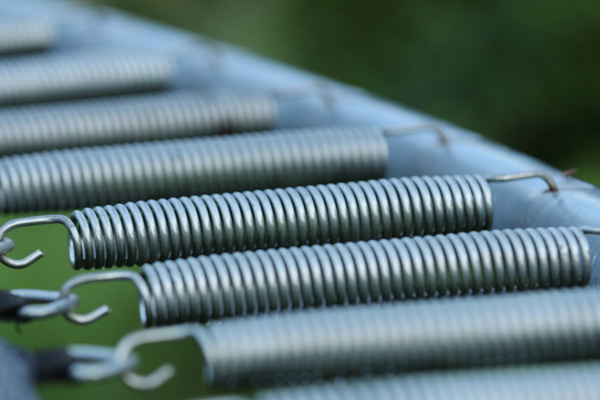
We know that within the elastic limit, the elongation (or contraction) of the spring is proportional to the external force.
2024-05-22
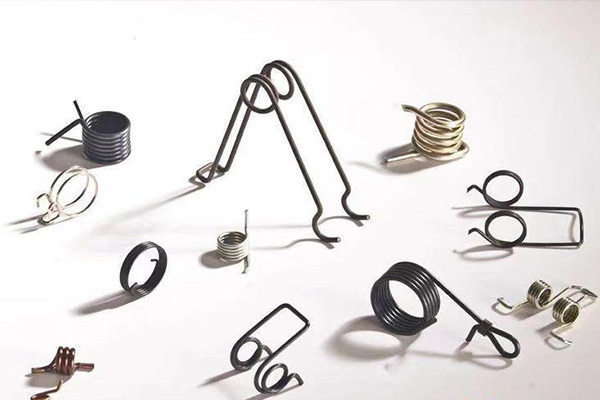
The current pattern of the spring industry
For the spring industry, for a long time, there has been an oversupply of low-grade ordinary springs.
2024-05-22
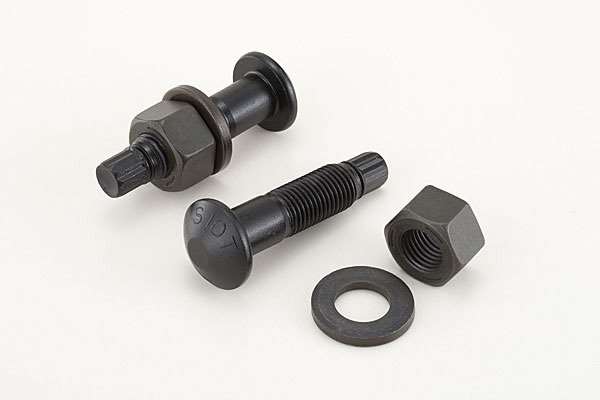
What material is generally used for high-strength bolts?
The upper limit of the tensile strength of the material used in high-strength bolts has a lot to do with the quenching treatment.
2024-05-22


Service E-mail
Service TEL
Address
Handan City, Hebei Province, China
To inquire about our products, please leave your email to us and we will contact you within 24 hours.
