



Understanding Welding Nails: Strengthening Connections in Industrial Applications
2025-11-04
Welding nails, also known as weld pins or stud welds, are specialized fasteners designed to securely bond two materials together through a welding process. Unlike traditional mechanical fasteners, welding nails utilize heat generated from an electric arc or other welding techniques to create a strong, permanent connection. This method is particularly advantageous in scenarios where traditional fas
Welding nails, also known as weld pins or stud welds, are specialized fasteners designed to securely bond two materials together through a welding process. Unlike traditional mechanical fasteners, welding nails utilize heat generated from an electric arc or other welding techniques to create a strong, permanent connection. This method is particularly advantageous in scenarios where traditional fastening methods, like screws or bolts, may not provide the necessary strength or stability.
One of the primary benefits of welding nails is their ability to achieve a secure bond without the need for additional components, such as nuts or washers. This not only simplifies the assembly process but also reduces the overall weight of the structure, making them an excellent choice for applications in industries such as automotive, construction, and manufacturing. By welding directly to the substrate, these nails help minimize the risk of loosening over time, which is a common issue with mechanical fasteners subjected to vibration or heavy loads.
In terms of application, welding nails are often utilized in joining metal components, such as steel or aluminum, and can be found in numerous settings, from heavy machinery to residential construction. Their versatility allows them to be employed in a variety of configurations, including flat, curved, or irregular surfaces, further broadening their usability across different projects.
The technology behind welding nails has evolved significantly over the years, leading to enhanced performance and efficiency. Modern welding techniques, such as capacitor discharge welding and drawn arc welding, allow for precise control over the heat and timing of the welding process. This precision results in minimal thermal distortion and a stronger bond, ensuring the integrity of the materials being joined.
Moreover, the use of welding nails can lead to improved production efficiency. The speed of the welding process allows for quicker assembly times, which can be particularly beneficial in high-volume manufacturing environments. As industries continue to seek ways to enhance productivity while maintaining quality, the adoption of welding nails is likely to grow.
In conclusion, welding nails represent a significant advancement in fastening technology, offering a reliable solution for various industrial applications. Their ability to create strong, permanent bonds without the need for additional fasteners makes them an essential component in the fastener and connector industry. As technology continues to improve, we can expect to see even greater innovations in the use and application of welding nails, further solidifying their role in modern manufacturing and construction practices.
One of the primary benefits of welding nails is their ability to achieve a secure bond without the need for additional components, such as nuts or washers. This not only simplifies the assembly process but also reduces the overall weight of the structure, making them an excellent choice for applications in industries such as automotive, construction, and manufacturing. By welding directly to the substrate, these nails help minimize the risk of loosening over time, which is a common issue with mechanical fasteners subjected to vibration or heavy loads.
In terms of application, welding nails are often utilized in joining metal components, such as steel or aluminum, and can be found in numerous settings, from heavy machinery to residential construction. Their versatility allows them to be employed in a variety of configurations, including flat, curved, or irregular surfaces, further broadening their usability across different projects.
The technology behind welding nails has evolved significantly over the years, leading to enhanced performance and efficiency. Modern welding techniques, such as capacitor discharge welding and drawn arc welding, allow for precise control over the heat and timing of the welding process. This precision results in minimal thermal distortion and a stronger bond, ensuring the integrity of the materials being joined.
Moreover, the use of welding nails can lead to improved production efficiency. The speed of the welding process allows for quicker assembly times, which can be particularly beneficial in high-volume manufacturing environments. As industries continue to seek ways to enhance productivity while maintaining quality, the adoption of welding nails is likely to grow.
In conclusion, welding nails represent a significant advancement in fastening technology, offering a reliable solution for various industrial applications. Their ability to create strong, permanent bonds without the need for additional fasteners makes them an essential component in the fastener and connector industry. As technology continues to improve, we can expect to see even greater innovations in the use and application of welding nails, further solidifying their role in modern manufacturing and construction practices.
Key words:
RELATED INFORMATION
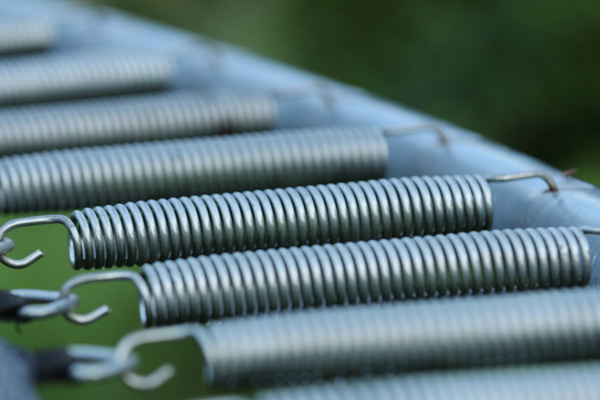
We know that within the elastic limit, the elongation (or contraction) of the spring is proportional to the external force.
2024-05-22
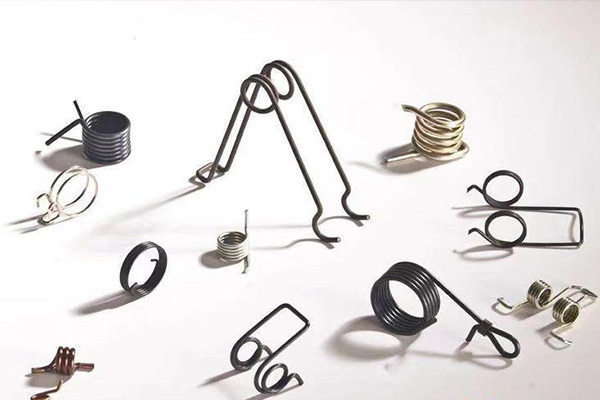
The current pattern of the spring industry
For the spring industry, for a long time, there has been an oversupply of low-grade ordinary springs.
2024-05-22
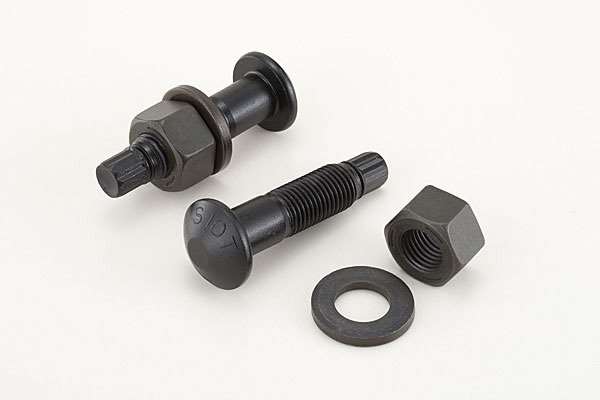
What material is generally used for high-strength bolts?
The upper limit of the tensile strength of the material used in high-strength bolts has a lot to do with the quenching treatment.
2024-05-22


Service E-mail
Service TEL
Address
Handan City, Hebei Province, China
To inquire about our products, please leave your email to us and we will contact you within 24 hours.
