



How to Maintain and Care for Stainless Steel Nuts: A Comprehensive Guide
2025-11-03
How to Maintain and Care for Stainless Steel Nuts: A Comprehensive Guide
Introduction to Stainless Steel Nuts
Stainless steel nuts are indispensable components in various industries, offering exceptional resistance to corrosion, heat, and mechanical wear. Their durability makes them ideal for both indoor and outdoor applications, making maintenance crucial for longevity and performance.
The Import
How to Maintain and Care for Stainless Steel Nuts: A Comprehensive Guide
Introduction to Stainless Steel Nuts
Stainless steel nuts are indispensable components in various industries, offering exceptional resistance to corrosion, heat, and mechanical wear. Their durability makes them ideal for both indoor and outdoor applications, making maintenance crucial for longevity and performance.
The Importance of Proper Maintenance for Stainless Steel Nuts
Neglecting to care for stainless steel nuts can lead to a range of issues, including corrosion, loosening, and premature failure. Proper maintenance ensures that these components perform optimally, extending their lifespan and reducing the likelihood of costly repairs or replacements.
Understanding Types of Stainless Steel Used in Nuts
Different grades of stainless steel offer varying levels of corrosion resistance and strength. Understanding these differences can help in choosing the right nuts for your specific application, as well as in their maintenance. Common grades include:
Grade 304
Grade 304 offers excellent corrosion resistance and is commonly used in kitchen and food processing applications.
Grade 316
Grade 316 has superior corrosion resistance, making it suitable for marine environments and industrial applications exposed to harsh chemicals.
Cleaning Stainless Steel Nuts: Step-by-Step Guide
Regular cleaning is vital for maintaining the aesthetic and functional integrity of stainless steel nuts. Follow these steps for effective cleaning:
Materials Needed for Cleaning
- Mild detergent or stainless steel cleaner
- Warm water
- Soft cloth or sponge
- Soft-bristle brush
- Clean, dry cloth for drying
Step-by-Step Cleaning Process
1. **Prepare a Cleaning Solution**: Combine mild detergent with warm water in a bucket.
2. **Soak the Nuts**: Submerge the stainless steel nuts in the solution for about 10-15 minutes to loosen dirt and grime.
3. **Scrub Gently**: Use a soft cloth or sponge to wipe down the nuts, ensuring that all surfaces are cleaned. For stubborn stains, a soft-bristle brush can be used.
4. **Rinse Thoroughly**: Rinse the nuts under clean water to remove any detergent residue.
5. **Dry Completely**: Use a clean, dry cloth to thoroughly dry the nuts, preventing water spots and ensuring no moisture is trapped.
Preventive Maintenance Practices for Stainless Steel Nuts
Implementing preventive measures can significantly reduce wear and tear on stainless steel nuts. Here are some effective strategies:
Regular Inspections
Regularly inspect stainless steel nuts for signs of wear, corrosion, or damage. Early detection can prevent minor issues from escalating into major problems.
Proper Storage Methods
Store stainless steel nuts in a dry, cool place to avoid exposure to moisture and corrosive elements. Using sealed containers can offer additional protection.
Use of Lubricants
Applying a suitable lubricant can help reduce friction and prevent galling during assembly and disassembly. Choose lubricants that are compatible with stainless steel.
Common Issues and Solutions in Stainless Steel Nut Maintenance
Understanding potential problems can help in addressing them effectively. Here are some common issues and their solutions:
Corrosion: Causes and Solutions
Corrosion can occur due to exposure to harsh environments. Utilize protective coatings or choose higher-grade stainless steel, such as Grade 316, for enhanced corrosion resistance.
Loosening of Nuts: Causes and Prevention
Nuts may loosen over time due to vibration or thermal expansion. To prevent this, consider using lock washers or thread adhesives specifically designed for stainless steel.
Best Practices for Installation and Removal
Correct installation and removal techniques are critical for the longevity of stainless steel nuts.
Installation Techniques
1. **Use a Torque Wrench**: This ensures that nuts are tightened to the manufacturer's specifications, reducing the risk of over-tightening.
2. **Ensure Clean Threads**: Using a thread-cleaning tool can remove debris and ensure a proper fit.
Removal Techniques
1. **Apply Penetrating Oil**: If a nut is stuck, applying penetrating oil can help loosen it.
2. **Use Proper Tools**: Always use the right size wrench to prevent stripping the nut.
Environment and Its Impact on Stainless Steel Nuts
The environment plays a significant role in the maintenance of stainless steel nuts. Factors such as humidity, temperature, and exposure to chemicals can affect their performance.
Effects of Humidity and Temperature
High humidity can accelerate corrosion, while extreme temperatures may lead to thermal expansion. Consider the operating environment when selecting nuts and plan for regular maintenance accordingly.
Chemical Exposure Risks
Certain chemicals can adversely affect stainless steel. Always consult a compatibility chart to ensure that the chosen nuts will withstand exposure to potentially harmful substances.
FAQs About Maintaining Stainless Steel Nuts
1. How often should I clean my stainless steel nuts?
It is advisable to clean stainless steel nuts regularly, especially if they are exposed to harsh conditions. Monthly cleaning is a good practice for outdoor applications.
2. Can I use abrasive cleaners on stainless steel nuts?
No, abrasive cleaners can scratch the surface of stainless steel nuts, leading to corrosion. Stick to mild detergents or stainless steel-specific cleaners.
3. What should I do if I notice rust on my stainless steel nuts?
If rust is present, clean the affected area immediately and apply a protective coating to prevent further corrosion.
4. Are there specific lubricants recommended for stainless steel nuts?
Yes, choose lubricants designed for use with stainless steel, such as those containing PTFE or other compatible materials.
5. How can I tell if my stainless steel nuts need to be replaced?
Signs of wear, corrosion, or damage such as cracks or stripped threads indicate that the nuts should be replaced to ensure safety and performance.
Conclusion
Maintaining stainless steel nuts is essential for ensuring their longevity and performance, especially in demanding environments. By following best practices for cleaning, preventive maintenance, and proper installation techniques, we can significantly extend the life of these crucial components. Regular inspections and a keen understanding of the materials and environments involved further enhance their durability. Whether in industrial applications or everyday use, taking the time to properly care for stainless steel nuts will pay off in reliability and cost savings. Invest in quality maintenance today to avoid costly repairs tomorrow.
Key words:
RELATED INFORMATION
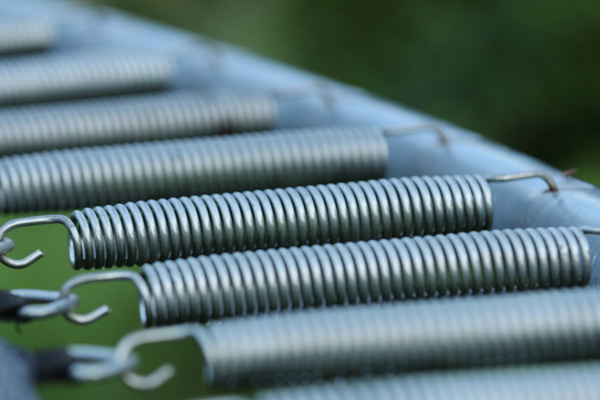
We know that within the elastic limit, the elongation (or contraction) of the spring is proportional to the external force.
2024-05-22
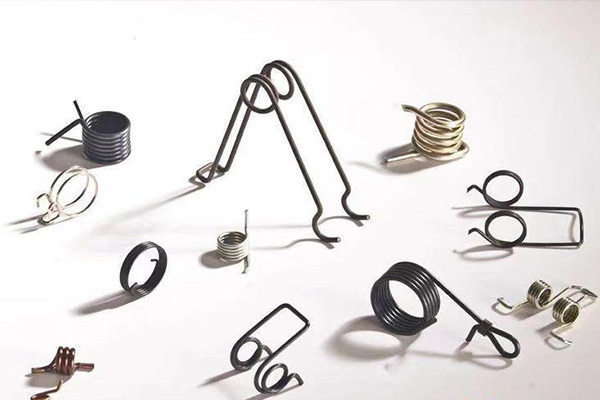
The current pattern of the spring industry
For the spring industry, for a long time, there has been an oversupply of low-grade ordinary springs.
2024-05-22
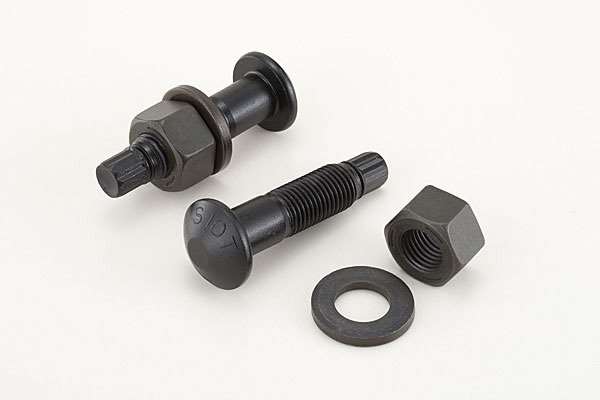
What material is generally used for high-strength bolts?
The upper limit of the tensile strength of the material used in high-strength bolts has a lot to do with the quenching treatment.
2024-05-22


Service E-mail
Service TEL
Address
Handan City, Hebei Province, China
To inquire about our products, please leave your email to us and we will contact you within 24 hours.
