



Understanding Welding Nails: A Comprehensive Guide for Industrial Professionals
2025-10-17
Welding nails are specialized fasteners designed for robust and permanent connections in various industrial applications. Unlike standard nails, welding nails have unique properties that enable them to be fused directly to metal surfaces through a process of welding. This technique not only provides superior strength but also eliminates the need for additional hardware, streamlining the fastening
Welding nails are specialized fasteners designed for robust and permanent connections in various industrial applications. Unlike standard nails, welding nails have unique properties that enable them to be fused directly to metal surfaces through a process of welding. This technique not only provides superior strength but also eliminates the need for additional hardware, streamlining the fastening process.
One of the primary advantages of welding nails is their ability to create a secure bond that can withstand high levels of stress and environmental impacts. In industries such as construction, automotive, and manufacturing, the use of welding nails can significantly increase the durability of assemblies and structures. They are particularly beneficial in scenarios where traditional fastening methods may fail due to vibrations or thermal expansion.
When considering welding nails for your projects, it’s essential to understand the different types available. Standard welding nails come in various lengths and diameters to accommodate different materials and applications. Additionally, some welding nails are coated with materials to prevent corrosion, ensuring longevity in challenging environments. It’s crucial to select the appropriate type based on the specific requirements of your project. Factors like material compatibility, loading conditions, and environmental exposure should guide your decision.
Another important aspect to consider is the welding process itself. Welding nails can be attached using several methods, including arc welding and resistance welding. Each method has its own set of advantages and is suited for different applications. For instance, arc welding is known for its versatility and ability to join thick materials, while resistance welding is favored for its speed and efficiency when working with thin sheets of metal.
In addition to their mechanical properties, welding nails can also contribute to cost savings over time. By streamlining the assembly process and reducing the need for additional fasteners, projects can be completed more quickly and with fewer resources. Moreover, the reliability of the bond created by welding nails can lead to decreased maintenance and repair costs in the long run.
In conclusion, welding nails offer a range of benefits for industrial applications, from their robust fastening capabilities to the potential for cost savings. Understanding the types, applications, and welding techniques associated with these fasteners is crucial for professionals in the industry. By leveraging the advantages of welding nails, you can enhance your projects' efficiency and durability, ensuring that your work meets the highest standards of quality and performance.
One of the primary advantages of welding nails is their ability to create a secure bond that can withstand high levels of stress and environmental impacts. In industries such as construction, automotive, and manufacturing, the use of welding nails can significantly increase the durability of assemblies and structures. They are particularly beneficial in scenarios where traditional fastening methods may fail due to vibrations or thermal expansion.
When considering welding nails for your projects, it’s essential to understand the different types available. Standard welding nails come in various lengths and diameters to accommodate different materials and applications. Additionally, some welding nails are coated with materials to prevent corrosion, ensuring longevity in challenging environments. It’s crucial to select the appropriate type based on the specific requirements of your project. Factors like material compatibility, loading conditions, and environmental exposure should guide your decision.
Another important aspect to consider is the welding process itself. Welding nails can be attached using several methods, including arc welding and resistance welding. Each method has its own set of advantages and is suited for different applications. For instance, arc welding is known for its versatility and ability to join thick materials, while resistance welding is favored for its speed and efficiency when working with thin sheets of metal.
In addition to their mechanical properties, welding nails can also contribute to cost savings over time. By streamlining the assembly process and reducing the need for additional fasteners, projects can be completed more quickly and with fewer resources. Moreover, the reliability of the bond created by welding nails can lead to decreased maintenance and repair costs in the long run.
In conclusion, welding nails offer a range of benefits for industrial applications, from their robust fastening capabilities to the potential for cost savings. Understanding the types, applications, and welding techniques associated with these fasteners is crucial for professionals in the industry. By leveraging the advantages of welding nails, you can enhance your projects' efficiency and durability, ensuring that your work meets the highest standards of quality and performance.
Key words:
RELATED INFORMATION
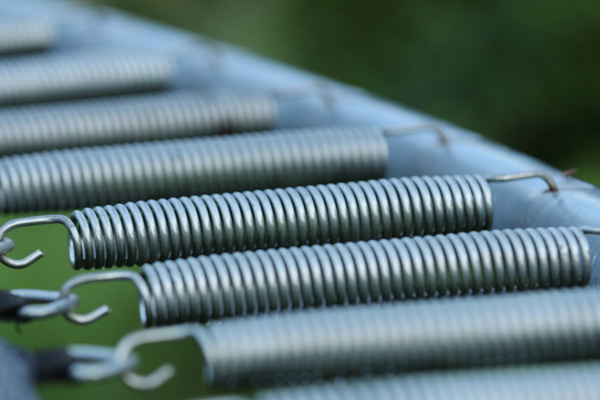
We know that within the elastic limit, the elongation (or contraction) of the spring is proportional to the external force.
2024-05-22
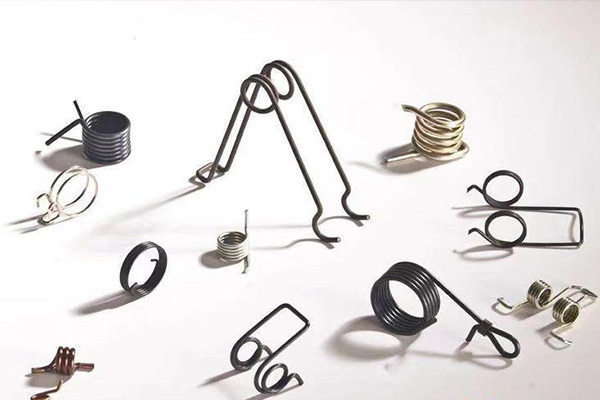
The current pattern of the spring industry
For the spring industry, for a long time, there has been an oversupply of low-grade ordinary springs.
2024-05-22
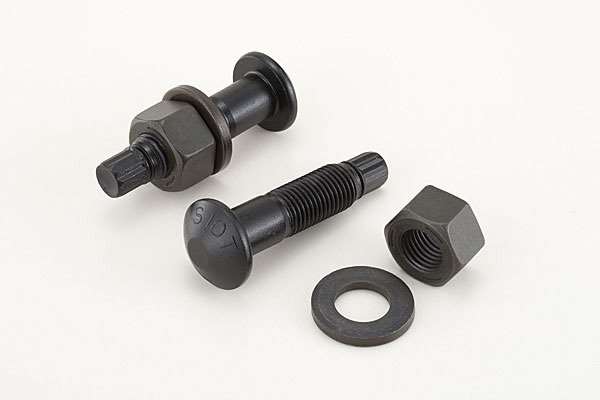
What material is generally used for high-strength bolts?
The upper limit of the tensile strength of the material used in high-strength bolts has a lot to do with the quenching treatment.
2024-05-22


Service E-mail
Service TEL
Address
Handan City, Hebei Province, China
To inquire about our products, please leave your email to us and we will contact you within 24 hours.
