



How Embedded Parts Contribute to Sustainable Industrial Practices
2025-10-18
How Embedded Parts Contribute to Sustainable Industrial Practices
Table of Contents
Introduction to Embedded Parts in Industrial Applications
Understanding Embedded Parts and Their Role
The Importance of Sustainability in Industrial Practices
Benefits of Using Embedded Parts in Sustainable Practices
Case Studies: Successful Implementation of Embedded Parts
Challenges in Integratin
How Embedded Parts Contribute to Sustainable Industrial Practices
Table of Contents
- Introduction to Embedded Parts in Industrial Applications
- Understanding Embedded Parts and Their Role
- The Importance of Sustainability in Industrial Practices
- Benefits of Using Embedded Parts in Sustainable Practices
- Case Studies: Successful Implementation of Embedded Parts
- Challenges in Integrating Embedded Parts
- The Future of Embedded Parts in Sustainable Industry
- Frequently Asked Questions
- Conclusion
Introduction to Embedded Parts in Industrial Applications
In today's fast-evolving industrial landscape, the push for sustainability has become more than just a trend; it is a necessity. **Embedded parts**, often referred to as integrated components, play a critical role in making industrial practices more sustainable. These parts are not merely functional elements; they contribute significantly to the efficiency and environmental impact of industrial processes. This article delves into how embedded parts facilitate sustainable practices in industry, examining their benefits, challenges, and future potential.
Understanding Embedded Parts and Their Role
Embedded parts are defined as components that are integrated directly into a larger system or product. These may include sensors, microcontrollers, and other types of advanced technology that enhance the functionality of machinery and equipment. By leveraging the Internet of Things (IoT) and smart manufacturing techniques, embedded parts enable real-time monitoring and control of industrial processes.
Types of Embedded Parts
1. **Sensors**: These devices collect data regarding operational parameters, such as temperature, pressure, and humidity, allowing for timely adjustments to optimize performance.
2. **Microcontrollers**: They form the brain of embedded systems, processing data and executing commands to improve machine efficiency.
3. **Wireless Communication Modules**: These enable seamless connectivity between devices, facilitating better data sharing and management.
By incorporating these types of embedded parts, industries can achieve greater precision and control over their operations, ultimately leading to more sustainable practices.
The Importance of Sustainability in Industrial Practices
Sustainability in industrial practices encompasses methods and strategies that minimize environmental impact while promoting economic and social well-being. The industrial sector is one of the largest consumers of energy and raw materials, contributing significantly to global emissions and waste. Therefore, adopting sustainable practices is crucial for:
- **Reducing Carbon Footprint**: Sustainable practices lower greenhouse gas emissions, helping to combat climate change.
- **Resource Efficiency**: By optimizing resource usage, industries can decrease waste and lower operational costs.
- **Regulatory Compliance**: Adhering to environmental regulations minimizes legal risks and enhances corporate reputation.
Benefits of Using Embedded Parts in Sustainable Practices
The integration of embedded parts into industrial systems can yield numerous benefits that bolster sustainability:
1. Enhanced Efficiency
Embedded parts facilitate real-time monitoring and adjustments, which can lead to improved efficiency in operations. For example, sensors can detect variations in machine performance and adjust settings accordingly, reducing energy consumption.
2. Waste Reduction
By providing precise data, embedded parts help identify inefficiencies that lead to waste. This allows industries to take corrective actions, thereby minimizing scrap and optimizing material usage.
3. Predictive Maintenance
Industries can implement predictive maintenance strategies using data from embedded parts. By predicting equipment failures before they occur, companies can avert costly downtimes and extend equipment lifespans.
4. Improved Product Quality
With integrated monitoring capabilities, embedded parts enhance product quality by ensuring that manufacturing processes remain consistent and within specified parameters.
5. Better Supply Chain Management
Embedded parts improve visibility across the supply chain, enabling better inventory management and reducing excess production, which in turn lowers waste generation.
Case Studies: Successful Implementation of Embedded Parts
Examining real-world examples can provide valuable insights into how embedded parts contribute to sustainable practices in various industries.
1. Automotive Industry
The automotive industry has seen a significant shift towards sustainability with the integration of embedded parts. For instance, **Ford** implemented embedded sensors in their manufacturing processes to monitor energy consumption and reduce waste. This led to a 10% reduction in energy usage across their plants, contributing to their sustainability goals.
2. Manufacturing Sector
**General Electric (GE)** has leveraged embedded technology in their manufacturing processes to optimize equipment performance. By using predictive analytics powered by embedded parts, GE reduced downtime by 25%, showcasing significant resource savings and improved sustainability.
3. Food Processing Industry
In the food processing sector, companies like **Nestlé** have adopted embedded sensors to monitor temperature and humidity levels in production environments. This not only ensures product quality but also minimizes energy consumption, supporting sustainable practices throughout their operations.
Challenges in Integrating Embedded Parts
While the benefits are substantial, integrating embedded parts into existing industrial systems is not without challenges:
1. High Initial Costs
The upfront costs associated with implementing embedded technology can be a barrier for many companies, particularly small and medium-sized enterprises (SMEs).
2. Complexity of Integration
Integrating new embedded parts can require significant adjustments to existing systems, which may disrupt operations temporarily.
3. Data Security Concerns
With the increased connectivity that embedded parts offer, industries face heightened risks regarding data security and cyber threats.
The Future of Embedded Parts in Sustainable Industry
The future of embedded parts looks promising, especially as industries continue to prioritize sustainability. Advances in technology will lead to even more sophisticated embedded systems that enhance efficiency and reduce waste.
1. Artificial Intelligence Integration
The incorporation of AI with embedded systems is expected to drive further innovations in predictive maintenance and process optimization, allowing for even more sustainable practices.
2. Growth of IoT
The ongoing expansion of the Internet of Things (IoT) will enable more industries to adopt embedded technology, facilitating smarter manufacturing processes and resource management.
3. Regulatory Evolution
As regulations around sustainability tighten, industries will increasingly rely on embedded parts to meet compliance requirements, making them a critical component of future operations.
Frequently Asked Questions
1. What are embedded parts in industrial applications?
Embedded parts are components integrated into larger systems that enhance functionality, often involving sensors and microcontrollers.
2. How do embedded parts contribute to sustainability?
They enable real-time data monitoring and process optimization, leading to increased efficiency, reduced waste, and improved resource management.
3. What industries benefit from embedded parts?
Industries such as automotive, manufacturing, food processing, and energy all benefit from the integration of embedded parts.
4. What are the challenges of implementing embedded technology?
Challenges include high initial costs, integration complexity, and data security concerns.
5. What does the future hold for embedded parts in industry?
The future includes advancements in AI and IoT integration, which promise to enhance the capabilities of embedded systems further, promoting sustainable industrial practices.
Conclusion
As industries strive for sustainability, embedded parts emerge as pivotal components that facilitate this transition. By enhancing efficiency, reducing waste, and optimizing processes, these integrated elements contribute significantly to sustainable industrial practices. The ongoing advancements in technology and the growing emphasis on environmental responsibility will likely amplify the role of embedded parts in the future of industry. Embracing these innovations can lead to a more efficient, sustainable, and economically viable industrial landscape, paving the way for a greener future.
Key words:
RELATED INFORMATION
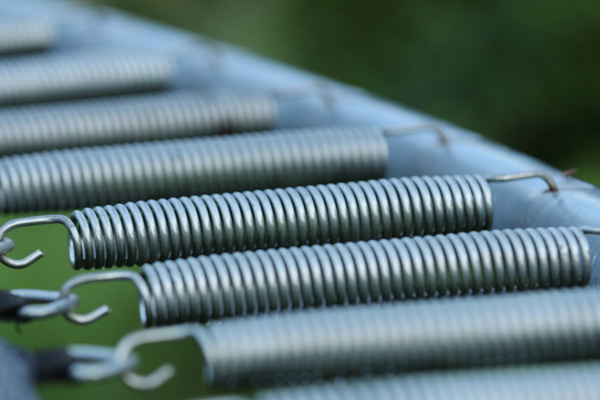
We know that within the elastic limit, the elongation (or contraction) of the spring is proportional to the external force.
2024-05-22
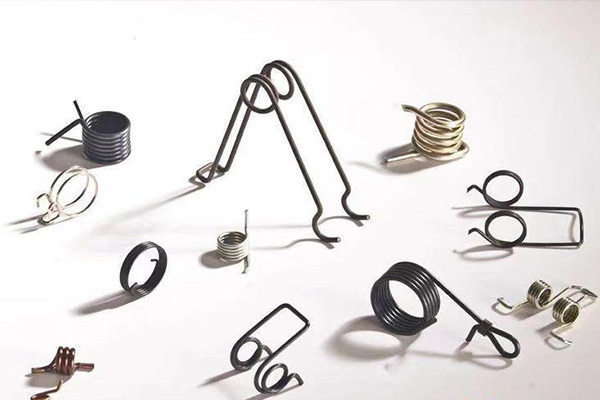
The current pattern of the spring industry
For the spring industry, for a long time, there has been an oversupply of low-grade ordinary springs.
2024-05-22
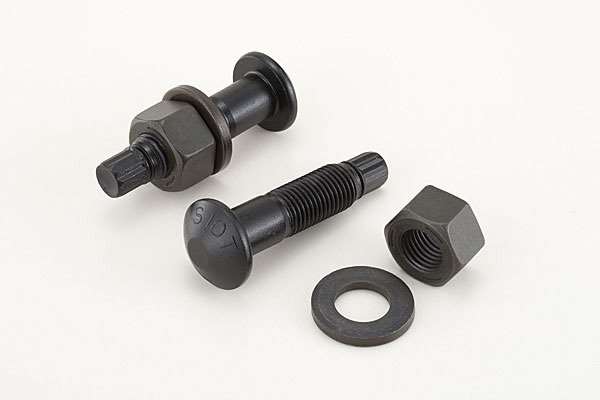
What material is generally used for high-strength bolts?
The upper limit of the tensile strength of the material used in high-strength bolts has a lot to do with the quenching treatment.
2024-05-22


Service E-mail
Service TEL
Address
Handan City, Hebei Province, China
To inquire about our products, please leave your email to us and we will contact you within 24 hours.
