



Choosing the Right Stainless Steel Nut: A Comprehensive Buyer’s Guide
2025-10-16
Choosing the Right Stainless Steel Nut: A Comprehensive Buyer’s Guide
Table of Contents
Introduction: The Importance of Choosing the Right Stainless Steel Nut
Types of Stainless Steel Nuts: A Detailed Overview
Understanding Material Grades of Stainless Steel Nuts
Applications of Stainless Steel Nuts in Various Industries
Key Factors to Consider When Buying Stainl
Choosing the Right Stainless Steel Nut: A Comprehensive Buyer’s Guide
Table of Contents
- Introduction: The Importance of Choosing the Right Stainless Steel Nut
- Types of Stainless Steel Nuts: A Detailed Overview
- Understanding Material Grades of Stainless Steel Nuts
- Applications of Stainless Steel Nuts in Various Industries
- Key Factors to Consider When Buying Stainless Steel Nuts
- Safety and Regulatory Considerations for Stainless Steel Nuts
- Maintenance and Care: Ensuring Longevity of Your Stainless Steel Nuts
- Frequently Asked Questions about Stainless Steel Nuts
- Conclusion: Making an Informed Choice
Introduction: The Importance of Choosing the Right Stainless Steel Nut
When it comes to industrial applications, the significance of selecting the right stainless steel nut cannot be overstated. These small but crucial components play a pivotal role in ensuring the integrity and stability of assemblies in machinery, structures, and equipment. A well-chosen nut can enhance the performance and lifespan of your projects, while a poorly selected one can lead to mechanical failures, safety hazards, and costly downtime.
This guide aims to provide you with comprehensive insights and essential knowledge to make an informed choice when selecting stainless steel nuts for your specific needs.
Types of Stainless Steel Nuts: A Detailed Overview
Understanding the different types of stainless steel nuts available in the market is essential for making the right choice. Below are some common types:
Hex Nuts
Hex nuts are among the most widely used fasteners, characterized by their six-sided shape. They are typically used with hex bolts, providing a secure fit.
Lock Nuts
Lock nuts incorporate mechanisms to prevent loosening due to vibration or torque. Common examples include nylon insert lock nuts and serrated flange nuts, which offer additional security in high-vibration environments.
Wing Nuts
Wing nuts feature two "wings" that allow for easy hand-tightening. They are ideal for applications where quick adjustments are necessary, such as in temporary fixtures.
Cap Nuts
Cap nuts are closed on one end, providing a clean appearance and added safety by covering the exposed end of a bolt. They are often used in aesthetic applications.
Square Nuts
Square nuts provide a larger bearing surface and can be used in conjunction with square bolts. They are less common but useful in specific applications requiring stability.
Self-Locking Nuts
Self-locking nuts have built-in features to maintain their position under dynamic loads. These include prevailing torque nuts and all-metal lock nuts.
Understanding Material Grades of Stainless Steel Nuts
The material grade of stainless steel nuts plays a crucial role in determining their corrosion resistance, strength, and suitability for various environments. The most common grades include:
Grade 304 Stainless Steel Nuts
Offering excellent corrosion resistance and good mechanical properties, Grade 304 is a versatile option suitable for many applications.
Grade 316 Stainless Steel Nuts
Known for superior corrosion resistance, especially in marine environments, Grade 316 stainless steel nuts are ideal for chemical processing and outdoor applications.
Grade 410 Stainless Steel Nuts
Grade 410 offers good strength and mild corrosion resistance. It is often used in high-temperature applications.
Grade 301 Stainless Steel Nuts
Grade 301 is known for its high strength and good ductility, making it suitable for applications requiring significant elastic deformation.
Applications of Stainless Steel Nuts in Various Industries
Stainless steel nuts are utilized across a wide range of industries due to their durability and resistance to corrosion. Some key applications include:
Construction Industry
In construction, stainless steel nuts secure beams, columns, and other structures. Their corrosion resistance ensures long-term stability.
Automotive Sector
Stainless steel nuts are used in automobile manufacturing for various components, ensuring safety and reliability under extreme conditions.
Aerospace Industry
The aerospace industry requires fasteners that can withstand high stress and harsh environments; therefore, stainless steel nuts are prevalent in aircraft construction.
Food Processing
In food processing, hygiene is paramount. Stainless steel nuts comply with stringent regulations, ensuring safe and reliable operation.
Marine Applications
Given their excellent corrosion resistance, stainless steel nuts are widely used in marine applications, such as boat construction and repair.
Key Factors to Consider When Buying Stainless Steel Nuts
Selecting the right stainless steel nut involves considering several critical factors:
Compatibility
Ensure the nut's size, thread pitch, and material grade are compatible with the corresponding bolt or fastener.
Corrosion Resistance
Evaluate the environment in which the nut will be used. For example, marine or chemical environments may require higher grades like 316.
Load Requirements
Assess the load conditions the nut will face. Choose a nut that can withstand the expected static and dynamic loads.
Standards and Certifications
Verify that the nuts meet relevant industry standards and certifications for quality assurance.
Cost and Availability
Consider the budget and ensure the chosen nuts are readily available in your supply chain.
Safety and Regulatory Considerations for Stainless Steel Nuts
Safety is paramount in any industrial application. When choosing stainless steel nuts, consider the following:
Inspection and Testing
Regular inspection and testing of nuts are essential to ensure they meet quality standards and are free from defects.
Compliance with Regulations
Ensure that the stainless steel nuts comply with local and international regulations, particularly in sensitive industries like food and pharmaceuticals.
Environmental Impact
Consider the environmental impact of your materials. Opt for suppliers that follow sustainable practices in production.
Maintenance and Care: Ensuring Longevity of Your Stainless Steel Nuts
To extend the lifespan of stainless steel nuts, proper maintenance and care are essential:
Regular Cleaning
Keep stainless steel nuts clean and free from debris. A mild detergent and water can help remove any contaminants.
Inspect for Wear and Corrosion
Regularly check for signs of wear or corrosion, especially in harsh environments. Replace any compromised nuts immediately.
Proper Installation
Ensure that nuts are installed correctly according to the manufacturer's specifications. Over-tightening can lead to failure.
Frequently Asked Questions about Stainless Steel Nuts
1. What are the most common grades of stainless steel nuts?
The most common grades include 304, 316, and 410. Each grade serves different applications based on corrosion resistance and strength.
2. How do I know which stainless steel nut to choose for my project?
Consider the load requirements, environmental conditions, and compatibility with bolts to select the right nut type.
3. Are all stainless steel nuts resistant to corrosion?
While stainless steel nuts are generally corrosion-resistant, the degree of resistance varies by grade. Choose higher-grade materials for harsher environments.
4. What is the difference between a lock nut and a regular nut?
Lock nuts have additional features, such as nylon inserts or serrated edges, to prevent loosening under vibration, while regular nuts do not.
5. Can stainless steel nuts be reused?
Stainless steel nuts can be reused if they show no signs of wear or damage. However, it is best to inspect them thoroughly before reusing.
Conclusion: Making an Informed Choice
Selecting the right stainless steel nut for your industrial applications is crucial for ensuring safety, performance, and longevity. By understanding the different types and grades of stainless steel nuts, considering key factors in your selection process, and adhering to maintenance best practices, you can make an informed choice that meets your specific needs. With this guide, you are now equipped with the knowledge to confidently choose the ideal stainless steel nut that will enhance the efficacy and durability of your projects.
Key words:
RELATED INFORMATION
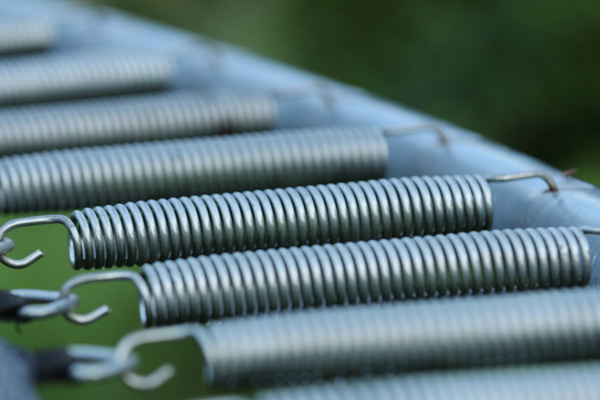
We know that within the elastic limit, the elongation (or contraction) of the spring is proportional to the external force.
2024-05-22
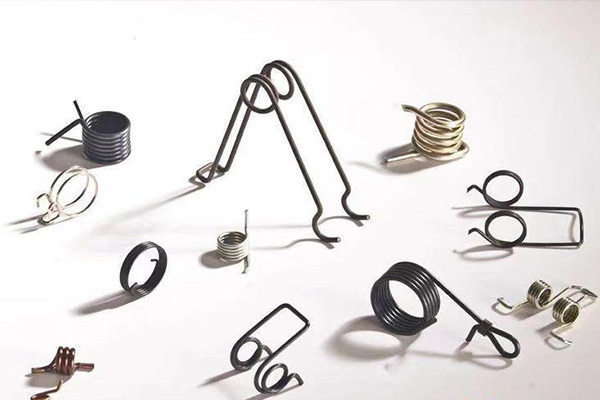
The current pattern of the spring industry
For the spring industry, for a long time, there has been an oversupply of low-grade ordinary springs.
2024-05-22
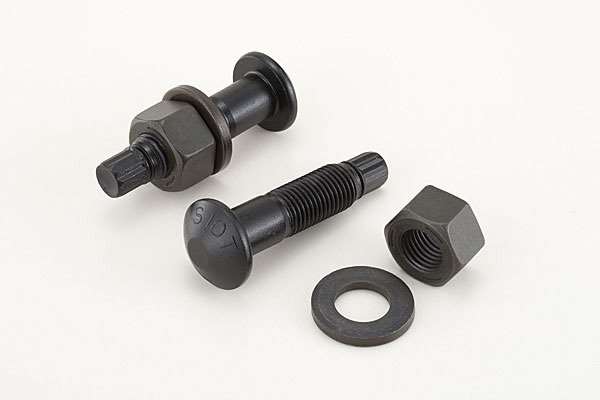
What material is generally used for high-strength bolts?
The upper limit of the tensile strength of the material used in high-strength bolts has a lot to do with the quenching treatment.
2024-05-22


Service E-mail
Service TEL
Address
Handan City, Hebei Province, China
To inquire about our products, please leave your email to us and we will contact you within 24 hours.
