



Understanding Stainless Steel Expansion for Industrial Fasteners
2025-10-15
---
Stainless steel expansion refers to the phenomenon wherein stainless steel components expand or contract in response to temperature changes. This characteristic is particularly important in industrial applications involving fasteners and connectors, where maintaining structural integrity and performance is crucial. Understanding how stainless steel behaves under different thermal conditions ca
---
Stainless steel expansion refers to the phenomenon wherein stainless steel components expand or contract in response to temperature changes. This characteristic is particularly important in industrial applications involving fasteners and connectors, where maintaining structural integrity and performance is crucial. Understanding how stainless steel behaves under different thermal conditions can significantly impact the design and selection of components in various industrial settings.
When dealing with stainless steel fasteners, it's essential to consider the thermal expansion coefficient, which indicates how much a material expands per degree of temperature increase. Stainless steel generally has a lower expansion rate compared to other materials, such as aluminum or carbon steel, making it a preferable choice in environments subjected to temperature fluctuations.
This property of stainless steel expansion can be advantageous in several ways. For instance, in piping systems, using stainless steel fasteners can lead to reduced risk of leaks or failure due to thermal stress. Additionally, because stainless steel is resistant to rust and corrosion, it is often used in applications where moisture or chemical exposure might occur.
Moreover, when designing assemblies that incorporate stainless steel components, engineers must account for the possibility of thermal expansion. This includes leaving adequate clearance in joints and considering the use of expansion joints, which can accommodate movement without compromising the structure. By meticulously planning for stainless steel expansion, professionals can enhance the longevity and reliability of their products.
It's also worth noting that the type of stainless steel used can influence its expansion characteristics. For example, austenitic stainless steels, which are commonly used in fasteners, exhibit more significant expansion than martensitic or ferritic grades. Understanding these differences is vital for selecting the right material for specific applications, particularly where dimensional stability is critical.
In summary, stainless steel expansion plays a pivotal role in the performance of industrial fasteners and connectors. By understanding how temperature changes affect stainless steel, professionals can make informed decisions that enhance the safety and efficiency of their designs. It is advisable to engage with material specialists or utilize advanced simulation tools to predict behaviors under varying conditions, ensuring a robust and reliable final product.
Stainless steel expansion refers to the phenomenon wherein stainless steel components expand or contract in response to temperature changes. This characteristic is particularly important in industrial applications involving fasteners and connectors, where maintaining structural integrity and performance is crucial. Understanding how stainless steel behaves under different thermal conditions can significantly impact the design and selection of components in various industrial settings.
When dealing with stainless steel fasteners, it's essential to consider the thermal expansion coefficient, which indicates how much a material expands per degree of temperature increase. Stainless steel generally has a lower expansion rate compared to other materials, such as aluminum or carbon steel, making it a preferable choice in environments subjected to temperature fluctuations.
This property of stainless steel expansion can be advantageous in several ways. For instance, in piping systems, using stainless steel fasteners can lead to reduced risk of leaks or failure due to thermal stress. Additionally, because stainless steel is resistant to rust and corrosion, it is often used in applications where moisture or chemical exposure might occur.
Moreover, when designing assemblies that incorporate stainless steel components, engineers must account for the possibility of thermal expansion. This includes leaving adequate clearance in joints and considering the use of expansion joints, which can accommodate movement without compromising the structure. By meticulously planning for stainless steel expansion, professionals can enhance the longevity and reliability of their products.
It's also worth noting that the type of stainless steel used can influence its expansion characteristics. For example, austenitic stainless steels, which are commonly used in fasteners, exhibit more significant expansion than martensitic or ferritic grades. Understanding these differences is vital for selecting the right material for specific applications, particularly where dimensional stability is critical.
In summary, stainless steel expansion plays a pivotal role in the performance of industrial fasteners and connectors. By understanding how temperature changes affect stainless steel, professionals can make informed decisions that enhance the safety and efficiency of their designs. It is advisable to engage with material specialists or utilize advanced simulation tools to predict behaviors under varying conditions, ensuring a robust and reliable final product.
Key words:
RELATED INFORMATION
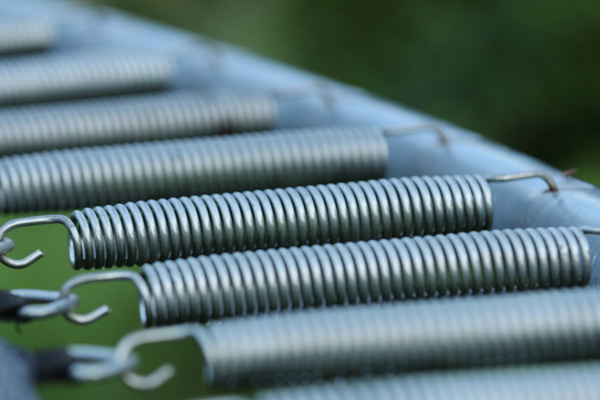
We know that within the elastic limit, the elongation (or contraction) of the spring is proportional to the external force.
2024-05-22
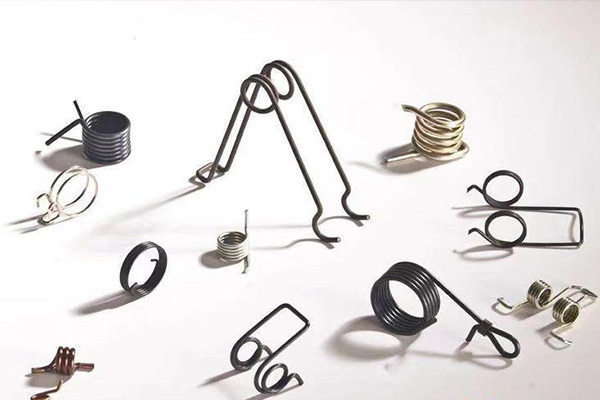
The current pattern of the spring industry
For the spring industry, for a long time, there has been an oversupply of low-grade ordinary springs.
2024-05-22
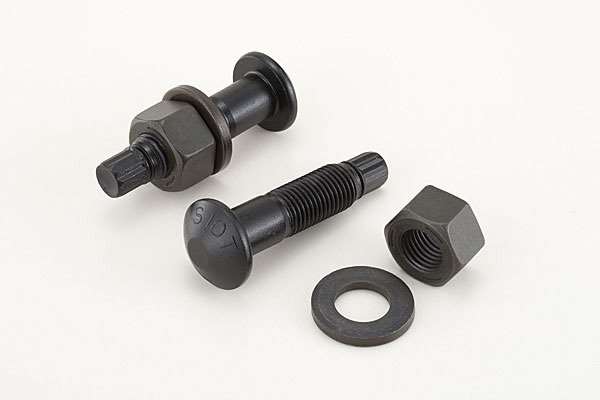
What material is generally used for high-strength bolts?
The upper limit of the tensile strength of the material used in high-strength bolts has a lot to do with the quenching treatment.
2024-05-22


Service E-mail
Service TEL
Address
Handan City, Hebei Province, China
To inquire about our products, please leave your email to us and we will contact you within 24 hours.
