



The Importance of Quality Control in Stainless Steel Pin Production
2025-10-14
The Importance of Quality Control in Stainless Steel Pin Production
Stainless steel pins are integral components in various industries, including automotive, aerospace, and construction. Their durability and strength make them essential for ensuring the reliability of machinery and structures. However, the production of these pins must adhere to stringent quality control measures to guarantee thei
The Importance of Quality Control in Stainless Steel Pin Production
Stainless steel pins are integral components in various industries, including automotive, aerospace, and construction. Their durability and strength make them essential for ensuring the reliability of machinery and structures. However, the production of these pins must adhere to stringent quality control measures to guarantee their performance. In this article, we will explore the pivotal role that quality control plays in stainless steel pin production, focusing on practices, standards, and benefits that ensure high-quality output.
Understanding Quality Control in Manufacturing
Quality control (QC) encompasses the processes and systems that ensure products meet specified requirements and standards. In manufacturing, especially in sectors dealing with critical components like stainless steel pins, QC is not just a regulatory compliance necessity; it is a foundational element that influences product safety and functionality.
Defining Quality Control in Stainless Steel Pin Production
Quality control in stainless steel pin production involves systematic monitoring and evaluation of the manufacturing processes. This includes a range of activities, from raw material inspection to final product testing. By implementing QC measures, manufacturers can identify defects early in the production cycle, thus reducing waste and ensuring that only high-quality pins reach the market.
The QC Process and Its Components
The QC process in stainless steel pin production can be broken down into several key components:
1. **Raw Material Inspection**: Quality control begins with the inspection of the stainless steel itself. Ensuring that the raw materials meet industry standards is crucial for the durability and strength of the final product.
2. **In-Process Inspection**: During the production process, regular inspections help catch any deviations in manufacturing that could affect the quality of the pins. This could involve checking measurements, surface finishes, and any coatings applied.
3. **Final Product Testing**: After production, pins are subjected to rigorous testing to evaluate their mechanical properties, corrosion resistance, and overall functionality. This testing ensures that each pin meets the specified standards before it is shipped.
4. **Documentation and Record Keeping**: Maintaining detailed records of inspections and tests helps manufacturers track quality over time and identify any recurring issues that need to be addressed.
The Key Standards for Quality Control in Stainless Steel Pin Production
Manufacturers of stainless steel pins must comply with various industry standards that govern quality control processes. Understanding these standards is essential for producing high-quality products.
ISO 9001: The Global Standard for Quality Management Systems
ISO 9001 is an internationally recognized standard that outlines the requirements for a quality management system (QMS). For manufacturers of stainless steel pins, adherence to ISO 9001 helps ensure that processes are consistently controlled and products are reliable. Certification to this standard can also enhance a manufacturer's reputation in the marketplace.
ASTM Standards for Stainless Steel
The American Society for Testing and Materials (ASTM) provides standards specific to stainless steel materials. These standards help define the mechanical properties, chemical composition, and corrosion resistance of stainless steel grades used in pin production. Adhering to ASTM standards ensures that the pins produced are suitable for their intended applications.
The Benefits of Implementing Quality Control in Stainless Steel Pin Production
Implementing strict quality control measures in the production of stainless steel pins offers numerous advantages.
Enhanced Product Reliability
Quality control directly correlates with the reliability of stainless steel pins. By ensuring that each pin meets high standards, manufacturers can deliver products that are less likely to fail in use, ultimately leading to increased customer satisfaction.
Cost Reduction through Waste Minimization
Effective quality control helps identify defects early in the production process, reducing the amount of waste generated. This not only lowers production costs but also contributes to a more sustainable manufacturing process.
Improved Customer Satisfaction and Trust
When customers can trust the quality of a manufacturer’s products, they are more likely to return for future purchases. Quality control fosters this trust by consistently delivering high-quality stainless steel pins that meet or exceed customer expectations.
Challenges in Quality Control for Stainless Steel Pin Production
While the benefits of quality control are clear, manufacturers may face challenges in implementing effective QC measures.
Complexity of Manufacturing Processes
The production of stainless steel pins often involves complex processes that can be challenging to monitor. Ensuring that every aspect of production adheres to quality standards requires careful planning and execution.
Keeping Up with Technological Advancements
The manufacturing industry is rapidly evolving, with new technologies and methodologies emerging regularly. Manufacturers must stay updated with these changes to ensure their quality control processes remain effective and relevant.
Best Practices for Quality Control in Stainless Steel Pin Production
To overcome challenges and enhance quality control processes, manufacturers should adopt best practices tailored to the production of stainless steel pins.
Regular Training for Employees
Investing in regular training for employees involved in the production process is essential. Ensuring that everyone is aware of QC standards and practices helps maintain a consistent approach to quality throughout the manufacturing process.
Utilizing Advanced Testing Technologies
Incorporating advanced testing technologies can enhance the effectiveness of quality control processes. Techniques such as ultrasonic testing, X-ray inspection, and automated measurement systems can provide more accurate assessments of product quality.
Case Studies: Successful Quality Control in Action
Examining real-world examples of successful quality control implementations can provide valuable insights for manufacturers.
Case Study 1: Automotive Industry
An automotive parts manufacturer implemented a robust quality control system that included real-time monitoring of production processes. By using automated inspection systems, they significantly reduced defects in stainless steel pins used in critical automotive applications, enhancing both safety and performance.
Case Study 2: Aerospace Sector
A leading aerospace company adopted stringent quality control measures that included third-party inspections of their stainless steel pins. This not only ensured compliance with industry standards but also bolstered their reputation for safety and reliability in a highly regulated market.
Future Trends in Quality Control for Stainless Steel Pin Production
As technology continues to advance, the future of quality control in stainless steel pin production looks promising.
Integration of IoT and Automation
The integration of Internet of Things (IoT) technology and automation in manufacturing processes is set to revolutionize quality control. Real-time data collection and analysis can lead to more precise monitoring and quicker response times to potential quality issues.
Emphasis on Sustainability in Manufacturing
As industries move towards more sustainable practices, quality control will need to adapt. Manufacturers will increasingly be expected to demonstrate environmental responsibility in their quality control processes, ensuring that production methods minimize waste and energy consumption.
Frequently Asked Questions (FAQs)
1. What is the importance of quality control in stainless steel pin manufacturing?
Quality control ensures that stainless steel pins meet safety and performance standards, reducing the risk of failure in applications.
2. What are the key components of a quality control system?
Key components include raw material inspection, in-process checks, final product testing, and thorough documentation.
3. How does ISO 9001 certification benefit manufacturers?
ISO 9001 certification helps establish a reliable quality management system, enhancing product consistency and market reputation.
4. What challenges do manufacturers face in quality control?
Challenges include the complexity of production processes and the need to keep up with technological advancements.
5. How can manufacturers improve their quality control processes?
Regular employee training, advanced testing technologies, and adopting best practices can enhance quality control efforts.
Conclusion
Quality control is not merely a procedural formality but a critical element in the production of stainless steel pins. By applying stringent quality control measures, manufacturers can ensure that their products are reliable, cost-effective, and meet customer expectations. As the industry evolves, embracing new technologies and practices will be essential for maintaining high standards in quality control. By prioritizing quality, manufacturers can secure their position in a competitive market while contributing to the overall safety and functionality of the products that depend on stainless steel pins.
Key words:
RELATED INFORMATION
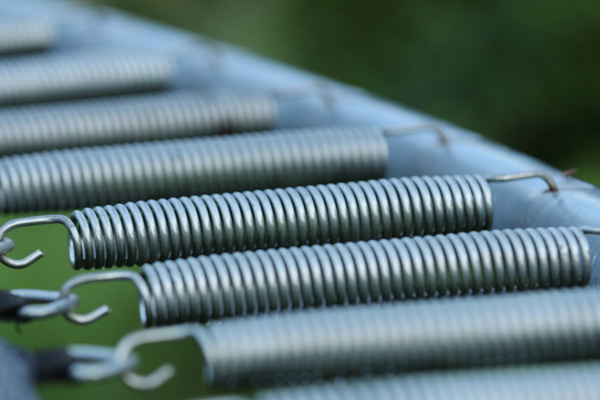
We know that within the elastic limit, the elongation (or contraction) of the spring is proportional to the external force.
2024-05-22
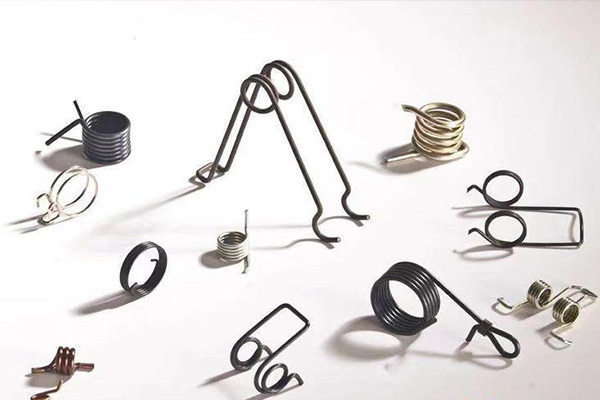
The current pattern of the spring industry
For the spring industry, for a long time, there has been an oversupply of low-grade ordinary springs.
2024-05-22
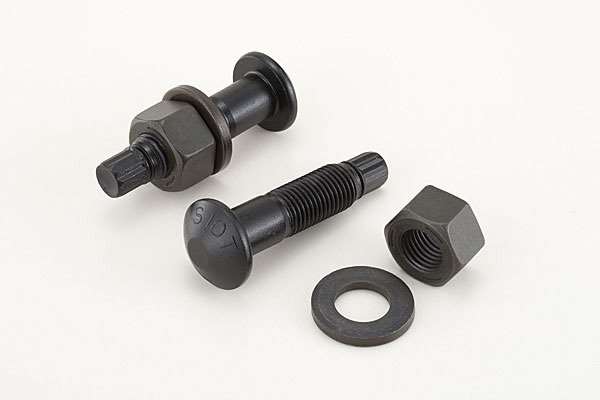
What material is generally used for high-strength bolts?
The upper limit of the tensile strength of the material used in high-strength bolts has a lot to do with the quenching treatment.
2024-05-22


Service E-mail
Service TEL
Address
Handan City, Hebei Province, China
To inquire about our products, please leave your email to us and we will contact you within 24 hours.
