



Understanding Welding Nails: Key Insights for Industrial Applications
2025-09-29
Welding nails, also known as stud welds or weld pins, are specialized fasteners designed for applications where traditional screws and bolts may not be ideal. They are typically used in metal-to-metal fastening operations, where a strong, permanent bond is required. The process of using welding nails involves a welding technique that allows the nail to be fused directly to a metal substrate, creat
Welding nails, also known as stud welds or weld pins, are specialized fasteners designed for applications where traditional screws and bolts may not be ideal. They are typically used in metal-to-metal fastening operations, where a strong, permanent bond is required. The process of using welding nails involves a welding technique that allows the nail to be fused directly to a metal substrate, creating a robust connection that can withstand significant stress and strain.
One of the key advantages of welding nails is their ability to provide a clean and efficient fastening method. The welding process eliminates the need for pre-drilling or tapping, thereby reducing installation time and labor costs. In industries such as construction, automotive, and manufacturing, this efficiency can lead to significant productivity gains.
Applications of welding nails are diverse. They are commonly used in the construction of steel structures, HVAC systems, and automotive components. Because they create a strong bond with minimal heat-affected zones, welding nails are ideal for situations where structural integrity is critical. Furthermore, they are perfect for applications that involve thin metal sheets, where traditional fasteners might cause deformation or damage.
In addition to their functional benefits, welding nails also contribute to aesthetic value. The seamless look of a welded connection can be visually appealing, making it a favored choice for architectural applications where exposed fasteners might detract from the design.
When considering the use of welding nails, it's essential to acknowledge the materials involved. These fasteners are often made from high-strength steel or other durable metals, ensuring they can withstand harsh environments and heavy loads. Moreover, the choice of metal can influence the welding process and the overall effectiveness of the fastening.
Another critical aspect to consider is the welding technique used. Different methods, such as arc welding or resistance welding, can be employed depending on the specific requirements of the project. Understanding these techniques and their applications can greatly enhance the performance of welding nails in various settings.
In conclusion, welding nails represent a versatile and efficient fastening solution that can significantly benefit industrial operations. Their unique properties allow for strong, permanent bonds with minimal installation effort, making them an excellent choice for a wide range of applications. By leveraging the advantages of welding nails, industries can improve productivity, enhance structural integrity, and achieve visually appealing results in their projects. Whether you're involved in construction, manufacturing, or any field requiring reliable fastening solutions, understanding the capabilities of welding nails is crucial for optimizing your processes.
One of the key advantages of welding nails is their ability to provide a clean and efficient fastening method. The welding process eliminates the need for pre-drilling or tapping, thereby reducing installation time and labor costs. In industries such as construction, automotive, and manufacturing, this efficiency can lead to significant productivity gains.
Applications of welding nails are diverse. They are commonly used in the construction of steel structures, HVAC systems, and automotive components. Because they create a strong bond with minimal heat-affected zones, welding nails are ideal for situations where structural integrity is critical. Furthermore, they are perfect for applications that involve thin metal sheets, where traditional fasteners might cause deformation or damage.
In addition to their functional benefits, welding nails also contribute to aesthetic value. The seamless look of a welded connection can be visually appealing, making it a favored choice for architectural applications where exposed fasteners might detract from the design.
When considering the use of welding nails, it's essential to acknowledge the materials involved. These fasteners are often made from high-strength steel or other durable metals, ensuring they can withstand harsh environments and heavy loads. Moreover, the choice of metal can influence the welding process and the overall effectiveness of the fastening.
Another critical aspect to consider is the welding technique used. Different methods, such as arc welding or resistance welding, can be employed depending on the specific requirements of the project. Understanding these techniques and their applications can greatly enhance the performance of welding nails in various settings.
In conclusion, welding nails represent a versatile and efficient fastening solution that can significantly benefit industrial operations. Their unique properties allow for strong, permanent bonds with minimal installation effort, making them an excellent choice for a wide range of applications. By leveraging the advantages of welding nails, industries can improve productivity, enhance structural integrity, and achieve visually appealing results in their projects. Whether you're involved in construction, manufacturing, or any field requiring reliable fastening solutions, understanding the capabilities of welding nails is crucial for optimizing your processes.
Key words:
RELATED INFORMATION
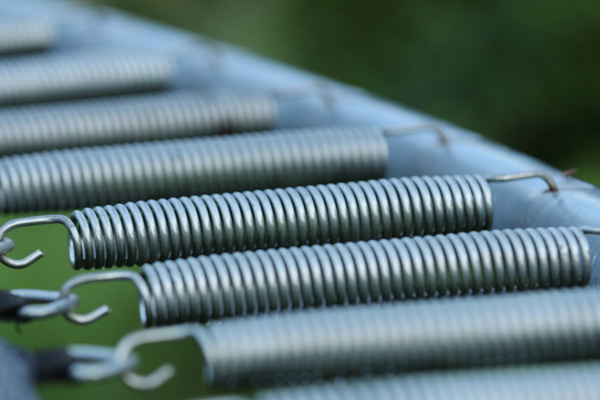
We know that within the elastic limit, the elongation (or contraction) of the spring is proportional to the external force.
2024-05-22
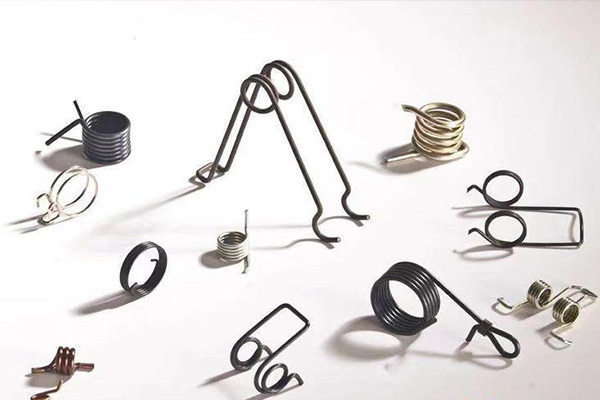
The current pattern of the spring industry
For the spring industry, for a long time, there has been an oversupply of low-grade ordinary springs.
2024-05-22
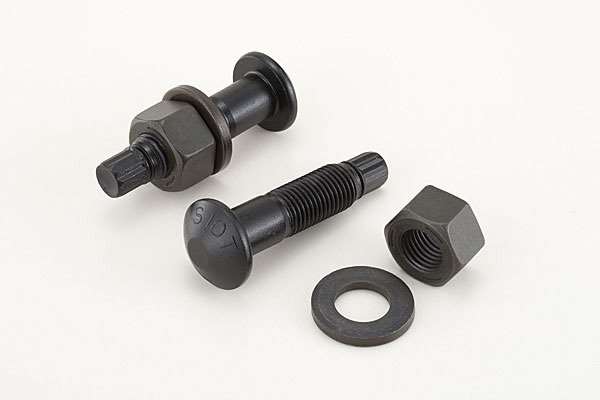
What material is generally used for high-strength bolts?
The upper limit of the tensile strength of the material used in high-strength bolts has a lot to do with the quenching treatment.
2024-05-22


Service E-mail
Service TEL
Address
Handan City, Hebei Province, China
To inquire about our products, please leave your email to us and we will contact you within 24 hours.
