



The Critical Link: How Embedded Parts Support Structural Integrity in Industrial Equipment
2025-09-30
The Critical Link: How Embedded Parts Support Structural Integrity in Industrial Equipment
Table of Contents
1. Introduction to Embedded Parts
2. The Importance of Embedded Parts in Structural Integrity
3. Types of Embedded Parts: An Overview
4. Fasteners: The Backbone of Structural Support
5. Connectors: Ensuring Stability and Strength
6. How to Select the Right Embedded Parts
7. Application of
The Critical Link: How Embedded Parts Support Structural Integrity in Industrial Equipment
Table of Contents
- 1. Introduction to Embedded Parts
- 2. The Importance of Embedded Parts in Structural Integrity
- 3. Types of Embedded Parts: An Overview
- 4. Fasteners: The Backbone of Structural Support
- 5. Connectors: Ensuring Stability and Strength
- 6. How to Select the Right Embedded Parts
- 7. Application of Embedded Parts in Various Industries
- 8. Maintenance of Embedded Parts for Longevity
- 9. Conclusion
- 10. Frequently Asked Questions (FAQs)
1. Introduction to Embedded Parts
Embedded parts play a vital role in the construction and functionality of industrial equipment. These components, which include fasteners, connectors, and other structural elements, provide essential support and stability to machinery. Understanding their importance not only aids in the design and manufacturing processes but also allows for better maintenance and longevity of the equipment.
2. The Importance of Embedded Parts in Structural Integrity
The structural integrity of equipment hinges on the quality and appropriateness of its embedded parts. These components bear the loads and stresses that machinery undergoes during operation. By ensuring that the right embedded parts are used, manufacturers can enhance safety, reduce the risk of failure, and extend the equipment's lifespan. In industries such as construction, manufacturing, and aerospace, the stakes are particularly high, as equipment failure can lead to catastrophic results, including loss of life and significant financial loss.
3. Types of Embedded Parts: An Overview
Embedded parts come in various forms, each designed for specific applications and environments. Understanding these types is crucial for selecting the appropriate components for your industrial needs. The primary categories of embedded parts include:
3.1 Fasteners
Fasteners are devices that hold two or more components together. Common types include bolts, screws, nuts, and rivets. Each type has unique characteristics and applications suited for different operational demands.
3.2 Connectors
Connectors facilitate the joining of multiple components and can be mechanical, electrical, or fluidic. Their design often prioritizes reliability and ease of assembly, making them essential in various applications.
3.3 Specialized Embedded Parts
There are also specialized embedded parts designed for specific industrial requirements, such as anchoring systems, dowels, and bushings. These components often serve niche applications and are critical in ensuring optimal performance.
4. Fasteners: The Backbone of Structural Support
Fasteners serve as the backbone of structural support in industrial applications. They are responsible for holding components together securely. Here, we explore the various types of fasteners and their specific roles:
4.1 Bolts
Bolts are versatile fasteners that come in varying sizes and materials. They are typically used in applications requiring high strength and durability. Their ability to withstand tensile loads makes them ideal for heavy machinery.
4.2 Screws
Screws are similar to bolts; however, they are generally used in applications where a strong grip on materials is necessary. Wood screws, machine screws, and self-tapping screws are common types, each designed for specific materials and applications.
4.3 Nuts and Washers
Nuts and washers complement bolts and screws, providing additional support and stability. Nuts secure the fasteners in place, while washers distribute the load to prevent damage to the materials being joined.
4.4 Rivets
Rivets are permanent fasteners that create a fixed connection between materials. They are often used in applications where welding is not feasible, offering a reliable alternative for structural integrity.
5. Connectors: Ensuring Stability and Strength
Connectors play an equally critical role in supporting structural integrity. They are specialized components that facilitate the joining of parts and systems. Notable types of connectors include:
5.1 Mechanical Connectors
Mechanical connectors, such as clamps and brackets, provide robust connections without the need for welding. They are often adjustable, allowing for flexibility during assembly.
5.2 Electrical Connectors
Electrical connectors ensure reliable electrical connections within machinery. They must withstand environmental factors such as moisture and temperature variations, making material selection crucial.
5.3 Fluidic Connectors
Fluidic connectors facilitate the transfer of liquids or gases within a system. They must be designed to prevent leaks and withstand pressure fluctuations, making their role critical in equipment that relies on fluid dynamics.
6. How to Select the Right Embedded Parts
Selecting the appropriate embedded parts requires a thorough understanding of the application and its requirements. Here are some factors to consider:
6.1 Load Requirements
Assess the load that the embedded parts will need to support. Fasteners and connectors must be chosen based on their load-bearing capacity to prevent structural failure.
6.2 Material Compatibility
Ensure that the selected parts are compatible with the materials they will be joining. Different materials have varying properties, and compatibility is crucial for maintaining structural integrity.
6.3 Environmental Conditions
Consider the environmental conditions the equipment will face. Factors such as temperature, moisture, and exposure to chemicals can affect the performance of embedded parts.
6.4 Installation Process
Evaluate how easy it is to install the selected components. Some embedded parts may require specialized tools or techniques, impacting the overall assembly process.
7. Application of Embedded Parts in Various Industries
Embedded parts are utilized across numerous industries, each demanding unique specifications and functionality:
7.1 Construction Industry
In construction, embedded parts provide essential support for structures. From bridges to buildings, fasteners and connectors ensure stability and safety.
7.2 Manufacturing Sector
Manufacturing processes rely heavily on embedded parts for machinery assembly. Efficient production lines depend on the reliability of fasteners and connectors to maintain operational flow.
7.3 Aerospace Industry
The aerospace sector requires the highest standards of reliability and safety. Embedded parts must meet stringent regulations and performance criteria to ensure structural integrity during flight.
7.4 Automotive Industry
In automotive manufacturing, embedded parts are crucial for vehicle assembly. They must withstand vibrations, temperature fluctuations, and other stresses encountered during operation.
8. Maintenance of Embedded Parts for Longevity
Ensuring the longevity of embedded parts requires regular maintenance and inspection. Here are some best practices:
8.1 Periodic Inspections
Conduct regular inspections of embedded parts to identify signs of wear, corrosion, or damage. Early detection can prevent catastrophic failures.
8.2 Cleaning and Lubrication
Keeping embedded parts clean and properly lubricated minimizes friction and wear, enhancing their lifespan.
8.3 Replacement of Worn Components
Replace any worn or damaged embedded parts promptly. Delaying replacement can compromise the structural integrity of the equipment.
9. Conclusion
Embedded parts are essential components that ensure the structural integrity of industrial equipment. From fasteners to connectors, each part plays a critical role in maintaining the strength and durability of machinery. By understanding their function, selecting the right components, and implementing proper maintenance practices, industries can enhance their operational efficiency and safety.
10. Frequently Asked Questions (FAQs)
1. What are embedded parts?
Embedded parts are components, such as fasteners and connectors, integrated into industrial equipment to provide structural support and integrity.
2. Why are fasteners important in industrial applications?
Fasteners hold components together, ensuring stability and safety during operation. They are crucial for the overall performance of machinery.
3. How do I choose the right embedded parts for my project?
Consider load requirements, material compatibility, environmental conditions, and the installation process when selecting embedded parts.
4. What maintenance practices should I follow for embedded parts?
Regular inspections, cleaning, lubrication, and timely replacement of worn components are essential for maintaining the longevity of embedded parts.
5. Which industries rely on embedded parts?
Embedded parts are used across various industries, including construction, manufacturing, aerospace, and automotive, each with unique specifications and requirements.
Key words:
RELATED INFORMATION
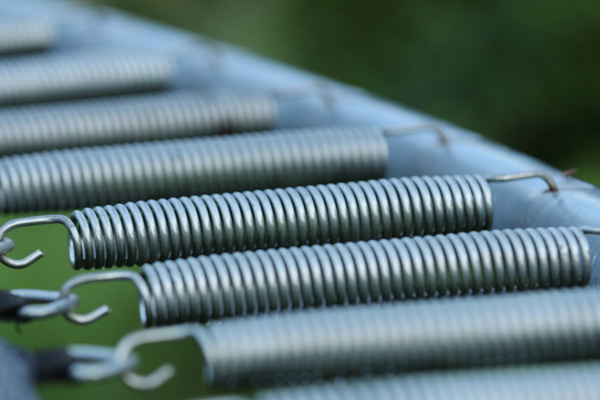
We know that within the elastic limit, the elongation (or contraction) of the spring is proportional to the external force.
2024-05-22
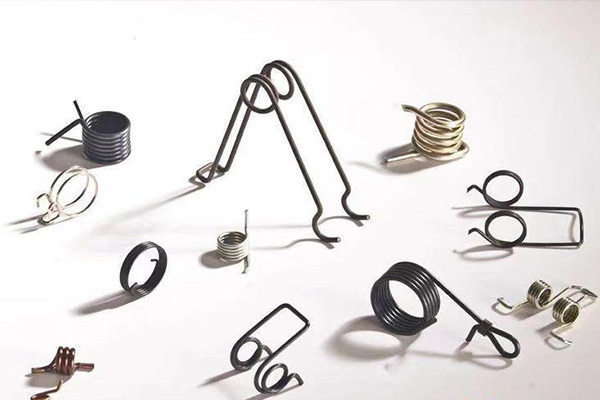
The current pattern of the spring industry
For the spring industry, for a long time, there has been an oversupply of low-grade ordinary springs.
2024-05-22
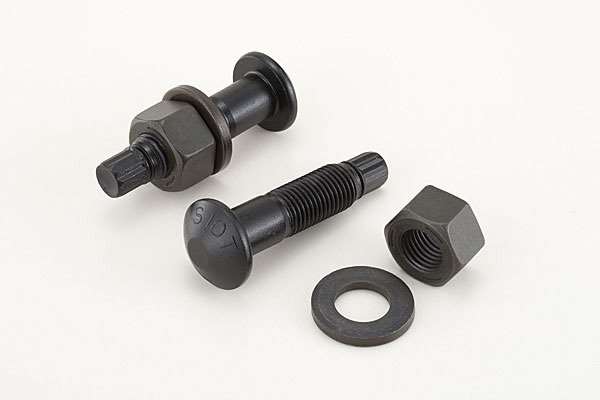
What material is generally used for high-strength bolts?
The upper limit of the tensile strength of the material used in high-strength bolts has a lot to do with the quenching treatment.
2024-05-22


Service E-mail
Service TEL
Address
Handan City, Hebei Province, China
To inquire about our products, please leave your email to us and we will contact you within 24 hours.
