



The Environmental Advantages of Using Stainless Steel Nuts: Sustainable Solutions for Industrial Fastening
2025-09-28
The Environmental Advantages of Using Stainless Steel Nuts
Table of Contents
1. Introduction to Stainless Steel Nuts
2. Understanding Sustainability in Fasteners
3. The Eco-Friendly Properties of Stainless Steel Nuts
3.1. Durability and Longevity
3.2. Corrosion Resistance
4. The Recyclability of Stainless Steel Nuts
4.1. The Recycling Process
4.2. Impact on Resource Conservation
5. Reduced Environ
The Environmental Advantages of Using Stainless Steel Nuts
Table of Contents
1. Introduction to Stainless Steel Nuts
2. Understanding Sustainability in Fasteners
3. The Eco-Friendly Properties of Stainless Steel Nuts
3.1. Durability and Longevity
3.2. Corrosion Resistance
4. The Recyclability of Stainless Steel Nuts
4.1. The Recycling Process
4.2. Impact on Resource Conservation
5. Reduced Environmental Footprint
5.1. Energy Efficiency in Manufacturing
5.2. Minimal Waste Generation
6. The Role of Stainless Steel Nuts in Circular Economy
7. Choosing the Right Stainless Steel Nuts for Your Projects
8. FAQs about Stainless Steel Nuts and Their Environmental Benefits
9. Conclusion
1. Introduction to Stainless Steel Nuts
Stainless steel nuts are a cornerstone in various industrial applications. Known for their strength and resilience, they provide reliable fastening solutions for critical projects. However, their environmental advantages are often overlooked. This article explores how stainless steel nuts contribute to sustainability, making them an ideal choice for eco-conscious industries.
2. Understanding Sustainability in Fasteners
In today's industrial landscape, sustainability has become a pressing concern. The fastener industry, including nuts, bolts, and screws, is responsible for a significant amount of resource consumption and waste generation. Understanding sustainability involves recognizing the environmental impact throughout the product lifecycle, from raw material extraction to end-of-life disposal.
3. The Eco-Friendly Properties of Stainless Steel Nuts
Stainless steel is renowned for its eco-friendly properties, which make it a preferred choice for fasteners in various applications.
3.1. Durability and Longevity
Stainless steel nuts exhibit exceptional durability, offering a longer lifespan compared to traditional materials. This longevity means that fewer replacements are needed, thereby reducing the overall consumption of resources and energy associated with manufacturing and transporting new fasteners.
3.2. Corrosion Resistance
One of the standout features of stainless steel is its resistance to corrosion. This property enhances the service life of nuts, particularly in harsh environments where moisture and chemicals are prevalent. By minimizing the need for replacements due to rust and degradation, stainless steel nuts contribute to sustainability.
4. The Recyclability of Stainless Steel Nuts
Recyclability is another crucial aspect of the environmental advantages of stainless steel nuts.
4.1. The Recycling Process
Stainless steel is 100% recyclable, meaning that it can be melted down and reformed into new products without losing quality. This closed-loop recycling process significantly reduces the need for virgin materials and minimizes waste.
4.2. Impact on Resource Conservation
When companies choose stainless steel nuts, they actively participate in conserving resources. Recycling stainless steel reduces the energy consumption and environmental impacts associated with mining and processing new materials.
5. Reduced Environmental Footprint
Switching to stainless steel nuts can lead to a reduced environmental footprint for businesses.
5.1. Energy Efficiency in Manufacturing
The manufacturing process for stainless steel nuts is more energy-efficient compared to other fasteners. The use of advanced technologies in production leads to lower emissions and a smaller carbon footprint.
5.2. Minimal Waste Generation
Stainless steel nuts produce less waste during manufacturing and throughout their lifecycle. Their durability translates to reduced frequency of replacement, thereby minimizing disposal issues associated with other materials.
6. The Role of Stainless Steel Nuts in Circular Economy
Stainless steel nuts fit seamlessly into the principles of a circular economy. By being recyclable and durable, they support a system where resources are kept in use for as long as possible, reducing the overall demand for new materials.
7. Choosing the Right Stainless Steel Nuts for Your Projects
When selecting stainless steel nuts for your projects, consider factors such as the grade of stainless steel, the specific application, and environmental conditions. Opting for high-quality stainless steel nuts ensures that you maximize the environmental advantages while enhancing the performance and longevity of your installations.
8. FAQs about Stainless Steel Nuts and Their Environmental Benefits
1. What makes stainless steel nuts more environmentally friendly than other materials?
Stainless steel nuts are durable, recyclable, and energy efficient, leading to a lower overall environmental impact.
2. How long do stainless steel nuts last compared to other fasteners?
Stainless steel nuts typically last significantly longer due to their corrosion resistance and strength, often outlasting traditional materials.
3. Can stainless steel nuts be recycled multiple times?
Yes, stainless steel can be recycled indefinitely without losing quality, making it a sustainable choice.
4. What are the energy savings associated with using stainless steel nuts?
Manufacturing stainless steel fasteners requires less energy, and the recycling process is much less energy-intensive than creating new materials from scratch.
5. Are there specific grades of stainless steel that are better for the environment?
Yes, certain grades, like 304 and 316, offer optimal corrosion resistance and durability, making them suitable for various applications.
9. Conclusion
In conclusion, the environmental advantages of using stainless steel nuts are clear. Their durability, recyclability, and energy-efficient manufacturing processes make them a superior choice for industries aiming to reduce their ecological footprint. By opting for stainless steel nuts, businesses not only enhance their operational efficiency but also contribute to a more sustainable future. Embracing these eco-friendly fasteners is not just a practical decision; it’s a commitment to environmental stewardship.
Key words:
RELATED INFORMATION
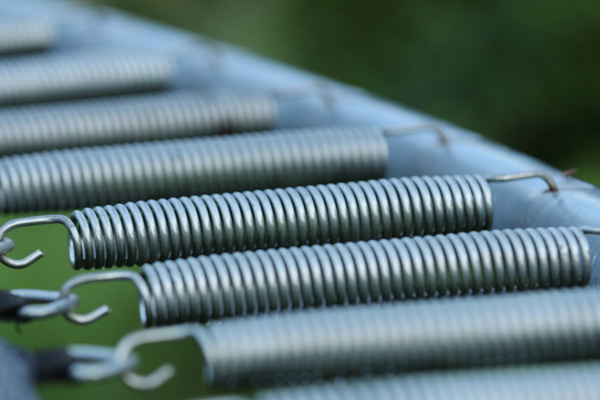
We know that within the elastic limit, the elongation (or contraction) of the spring is proportional to the external force.
2024-05-22
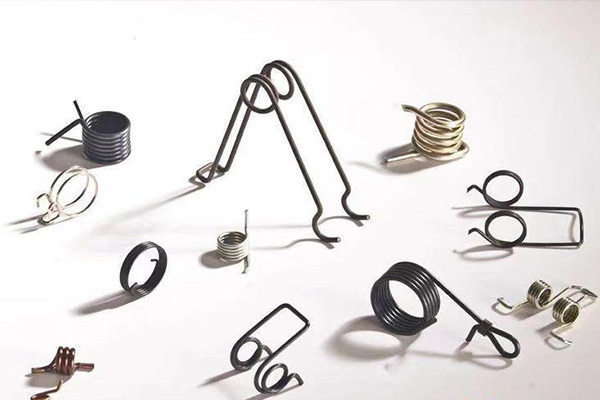
The current pattern of the spring industry
For the spring industry, for a long time, there has been an oversupply of low-grade ordinary springs.
2024-05-22
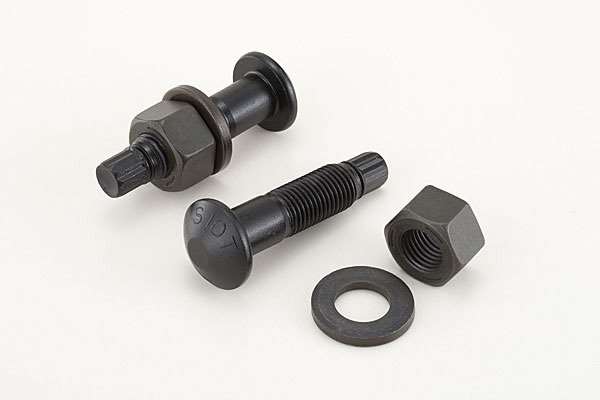
What material is generally used for high-strength bolts?
The upper limit of the tensile strength of the material used in high-strength bolts has a lot to do with the quenching treatment.
2024-05-22


Service E-mail
Service TEL
Address
Handan City, Hebei Province, China
To inquire about our products, please leave your email to us and we will contact you within 24 hours.
