



The Essential Guide to Welding Nails: Applications, Benefits, and Considerations
2026-06-14
Welding nails are specialized fastening solutions designed for applications in various industries, particularly in construction, automotive, and manufacturing. These nails are uniquely engineered to provide exceptional strength and durability, making them ideal for joining materials where traditional fastening methods may not suffice. They are typically used in environments where high integrity an
Welding nails are specialized fastening solutions designed for applications in various industries, particularly in construction, automotive, and manufacturing. These nails are uniquely engineered to provide exceptional strength and durability, making them ideal for joining materials where traditional fastening methods may not suffice. They are typically used in environments where high integrity and resistance to environmental stressors are crucial.
One of the primary advantages of welding nails is their ability to create a permanent bond between materials. Unlike conventional screws or bolts, welding nails are fused directly to the base material through a process that involves heat generation. This results in a joint that is not only robust but also less susceptible to loosening over time, a common issue with traditional fasteners. The strong bond formed by welding nails enhances structural integrity, which is particularly important in heavy-load applications.
Welding nails are often used in conjunction with specific welding equipment, which makes the application process both efficient and effective. The equipment required includes a welding gun and a power supply, allowing for precise control over the welding process. This level of control is essential, as it ensures the proper application of heat to achieve a successful weld without damaging the surrounding materials.
In addition to their strength, welding nails offer several other benefits. They can be applied in various orientations and are effective for fastening dissimilar materials, such as metal to concrete or metal to metal. This versatility makes them a valuable tool in many industrial applications. Furthermore, the streamlined nature of welding nails allows for quicker assembly times, which can significantly reduce labor costs in large-scale projects.
When considering the use of welding nails, it's essential to assess the specific requirements of your project. Factors such as material compatibility, thickness, and environmental exposure should influence your choice. Additionally, proper training and safety precautions must be adhered to during the welding process to prevent accidents and ensure the safety of personnel.
It's also worth noting that while welding nails provide a strong solution, they may not be suitable for every application. Temporary or adjustable connections may require alternative fastening methods. Therefore, a thorough understanding of the project requirements and potential alternatives is crucial in making an informed decision.
In conclusion, welding nails are a powerful fastening solution in the industrial sector, offering significant advantages such as strength, durability, and versatility. By understanding their applications and benefits, professionals can make more informed choices that lead to improved project outcomes and enhanced structural integrity.
One of the primary advantages of welding nails is their ability to create a permanent bond between materials. Unlike conventional screws or bolts, welding nails are fused directly to the base material through a process that involves heat generation. This results in a joint that is not only robust but also less susceptible to loosening over time, a common issue with traditional fasteners. The strong bond formed by welding nails enhances structural integrity, which is particularly important in heavy-load applications.
Welding nails are often used in conjunction with specific welding equipment, which makes the application process both efficient and effective. The equipment required includes a welding gun and a power supply, allowing for precise control over the welding process. This level of control is essential, as it ensures the proper application of heat to achieve a successful weld without damaging the surrounding materials.
In addition to their strength, welding nails offer several other benefits. They can be applied in various orientations and are effective for fastening dissimilar materials, such as metal to concrete or metal to metal. This versatility makes them a valuable tool in many industrial applications. Furthermore, the streamlined nature of welding nails allows for quicker assembly times, which can significantly reduce labor costs in large-scale projects.
When considering the use of welding nails, it's essential to assess the specific requirements of your project. Factors such as material compatibility, thickness, and environmental exposure should influence your choice. Additionally, proper training and safety precautions must be adhered to during the welding process to prevent accidents and ensure the safety of personnel.
It's also worth noting that while welding nails provide a strong solution, they may not be suitable for every application. Temporary or adjustable connections may require alternative fastening methods. Therefore, a thorough understanding of the project requirements and potential alternatives is crucial in making an informed decision.
In conclusion, welding nails are a powerful fastening solution in the industrial sector, offering significant advantages such as strength, durability, and versatility. By understanding their applications and benefits, professionals can make more informed choices that lead to improved project outcomes and enhanced structural integrity.
Key words:
RELATED INFORMATION
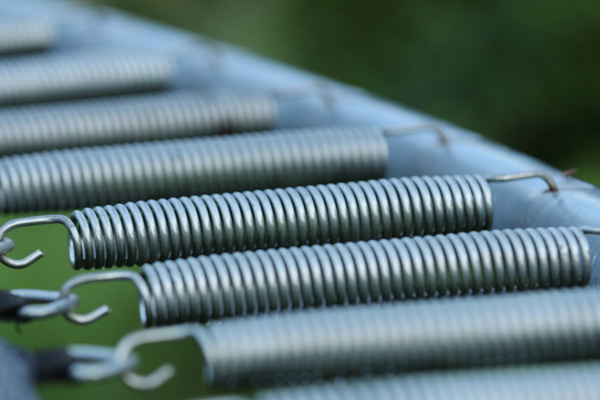
We know that within the elastic limit, the elongation (or contraction) of the spring is proportional to the external force.
2024-05-22
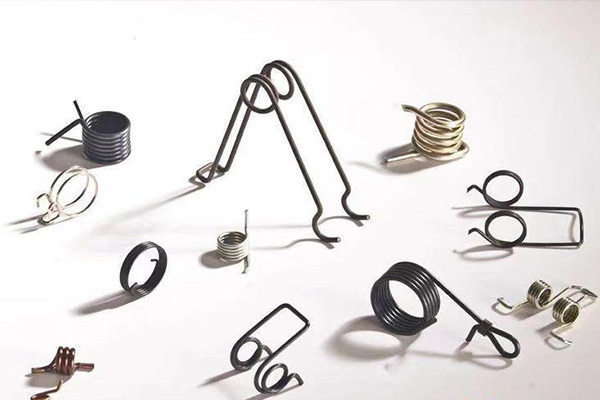
The current pattern of the spring industry
For the spring industry, for a long time, there has been an oversupply of low-grade ordinary springs.
2024-05-22
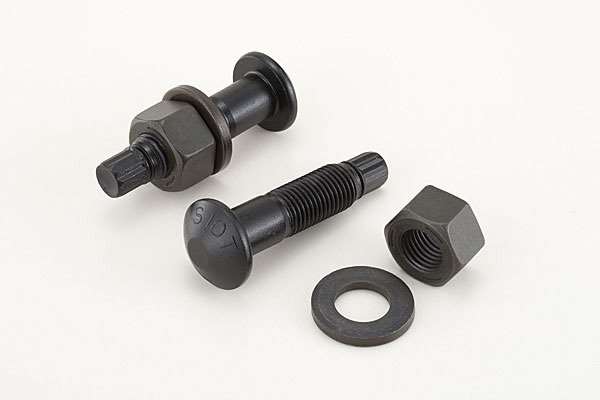
What material is generally used for high-strength bolts?
The upper limit of the tensile strength of the material used in high-strength bolts has a lot to do with the quenching treatment.
2024-05-22


Service E-mail
Service TEL
Address
Handan City, Hebei Province, China
To inquire about our products, please leave your email to us and we will contact you within 24 hours.
