



Safety First: The Crucial Role of Stainless Steel Nuts in Ensuring Equipment Reliability
2026-06-07
Safety First: The Crucial Role of Stainless Steel Nuts in Ensuring Equipment Reliability
In today’s industrial landscape, the reliability of equipment is paramount. When it comes to ensuring that machinery operates smoothly and safely, **stainless steel nuts** play a **critical role**. These small yet powerful components are essential in holding together various parts of machinery, ultimately impa
Safety First: The Crucial Role of Stainless Steel Nuts in Ensuring Equipment Reliability
In today’s industrial landscape, the reliability of equipment is paramount. When it comes to ensuring that machinery operates smoothly and safely, **stainless steel nuts** play a **critical role**. These small yet powerful components are essential in holding together various parts of machinery, ultimately impacting their overall performance and safety. In this article, we will delve deeply into the significance of stainless steel nuts, their benefits, applications, and the best practices for their use in different industrial contexts.
Table of Contents
- 1. Understanding Stainless Steel Nuts
- 2. The Importance of Materials in Fasteners
- 3. Benefits of Using Stainless Steel Nuts
- 4. Key Applications of Stainless Steel Nuts in Industry
- 5. Best Practices for Installing Stainless Steel Nuts
- 6. Safety Considerations in Using Nuts
- 7. Maintaining Equipment Reliability with Quality Fasteners
- 8. Future Trends in Fastener Technology
- 9. FAQs on Stainless Steel Nuts
- 10. Conclusion
1. Understanding Stainless Steel Nuts
**Stainless steel nuts** are threaded fasteners that are designed to work with bolts and screws, providing a secure connection between different components. Composed primarily of iron, chromium, and nickel, these nuts exhibit excellent resistance to corrosion, making them ideal for use in harsh environments. Their unique properties include high tensile strength, durability, and adaptability to various temperatures, which makes them suitable for a wide range of applications.
2. The Importance of Materials in Fasteners
The material composition of fasteners directly influences their performance. Here, we explore why stainless steel stands out among other materials:
2.1 Corrosion Resistance
Unlike traditional steel, which can rust and degrade over time, stainless steel offers long-lasting protection against environmental factors. This characteristic is essential for equipment exposed to moisture, chemicals, or extreme temperatures.
2.2 Strength and Durability
Stainless steel nuts possess high tensile strength, allowing them to withstand significant loads without failing. Their durability translates to a longer lifespan for machinery, reducing maintenance costs and downtime.
2.3 Aesthetic Appeal
In applications where appearance matters, stainless steel provides a polished, sleek finish that enhances the visual appeal of equipment.
3. Benefits of Using Stainless Steel Nuts
Deploying stainless steel nuts in your industrial applications yields multiple advantages:
3.1 Enhanced Safety
The structural integrity provided by stainless steel nuts ensures that machinery remains securely assembled, minimizing the risk of accidents or failures during operation.
3.2 Low Maintenance
Due to their corrosion resistance, stainless steel nuts require less frequent replacements or repairs, thereby lowering overall maintenance efforts and costs.
3.3 Versatility
Stainless steel nuts are compatible with various bolt types, making them adaptable for numerous applications across different industries.
3.4 Cost-Effectiveness
While the initial investment in stainless steel nuts may be higher than that of traditional materials, their longevity and reduced maintenance needs ultimately offer better value over time.
4. Key Applications of Stainless Steel Nuts in Industry
The versatility of stainless steel nuts enables their use in various sectors, including:
4.1 Construction
In construction, stainless steel nuts are used to secure steel beams, ensuring structural integrity in buildings and bridges.
4.2 Automotive Industry
In the automotive sector, stainless steel nuts are employed in assembly lines to maintain the reliability of vehicles under variable conditions.
4.4 Marine Applications
Due to their exceptional corrosion resistance, stainless steel nuts are crucial in marine environments, where equipment is constantly exposed to saltwater and humidity.
4.5 Food Processing
In food processing plants, the use of stainless steel nuts helps maintain hygiene standards while providing reliable machinery connections.
5. Best Practices for Installing Stainless Steel Nuts
To maximize the performance of stainless steel nuts, follow these best practices during installation:
5.1 Proper Torque Specifications
Use a torque wrench to apply the recommended torque, ensuring that the nut is neither too loose nor overtightened. This balance is crucial for maintaining the integrity of the connection.
5.2 Use of Lock Washers
In environments subject to vibration, incorporating lock washers can help prevent loosening over time, enhancing safety and reliability.
5.3 Regular Inspections
Conduct routine inspections of assembled components to identify any signs of wear, corrosion, or loosening, thereby addressing potential issues proactively.
6. Safety Considerations in Using Nuts
While stainless steel nuts are robust and reliable, certain safety considerations should be addressed:
6.1 Compatibility with Other Materials
Ensure that the stainless steel nuts are compatible with the materials of the bolts or screws being used to avoid galvanic corrosion.
6.2 Environmental Conditions
Evaluate environmental conditions where the nuts will be used. For instance, specific grades of stainless steel may be more suitable in highly corrosive environments.
6.3 Employee Training
Train personnel on the correct installation and maintenance practices to ensure safe operation and longevity of equipment.
7. Maintaining Equipment Reliability with Quality Fasteners
To uphold equipment reliability, consider the following strategies:
7.1 Quality Assurance
Invest in high-quality stainless steel nuts from reputable manufacturers to ensure performance consistency and safety.
7.2 Documentation and Tracking
Maintain thorough records of all fasteners used in your equipment. This documentation aids in tracking maintenance schedules and replacements.
7.3 Regular Maintenance Routines
Implement regular maintenance routines to inspect and replace fasteners as necessary, ensuring the continued reliability of your machinery.
8. Future Trends in Fastener Technology
As technology evolves, so does the fastener industry. Here are some anticipated trends:
8.1 Smart Fasteners
Integration of sensors within fasteners may revolutionize how we monitor structural integrity, providing real-time data on stress and wear.
8.2 Sustainable Materials
The move towards environmentally friendly materials may lead to innovations in the production of fasteners, enhancing their sustainability without compromising performance.
8.3 Advanced Coatings
Future developments may include advanced coatings that enhance the corrosion resistance of stainless steel nuts, extending their lifespan in demanding environments.
9. FAQs on Stainless Steel Nuts
9.1 What is the difference between stainless steel and carbon steel nuts?
Stainless steel nuts offer superior corrosion resistance and durability compared to carbon steel nuts, making them suitable for more demanding environments.
9.2 Are stainless steel nuts more expensive than other materials?
While the upfront cost may be higher, stainless steel nuts can be more cost-effective in the long run due to their durability and lower maintenance needs.
9.3 Can stainless steel nuts be used in high-temperature applications?
Yes, certain grades of stainless steel are specifically designed to withstand high temperatures, making them suitable for various industrial applications.
9.4 How do I prevent galling when using stainless steel nuts?
To minimize galling, use proper lubrication and choose nuts and bolts made from compatible grades of stainless steel.
9.5 What are the common grades of stainless steel used for nuts?
Common grades include 304 and 316 stainless steel, each offering different levels of corrosion resistance and strength, suitable for varying applications.
10. Conclusion
In conclusion, stainless steel nuts are a vital component in ensuring the reliability and safety of industrial equipment. Their unique properties, including corrosion resistance, strength, and versatility, make them an ideal choice for a wide range of applications. By adhering to best practices for installation and maintenance, industries can leverage the benefits of stainless steel nuts, contributing to safer and more efficient operations. As technology progresses, staying informed about advancements in fastener technology will further enhance equipment reliability in the years to come.
Key words:
RELATED INFORMATION
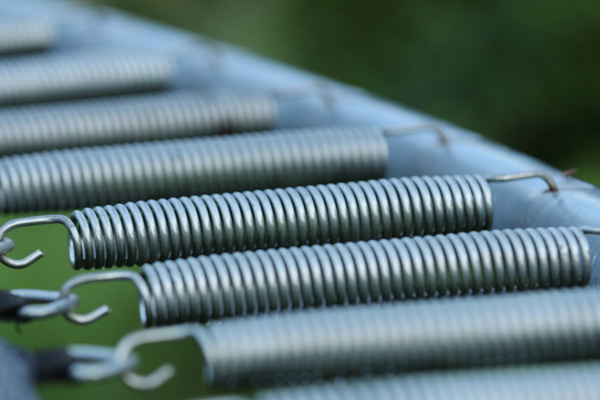
We know that within the elastic limit, the elongation (or contraction) of the spring is proportional to the external force.
2024-05-22
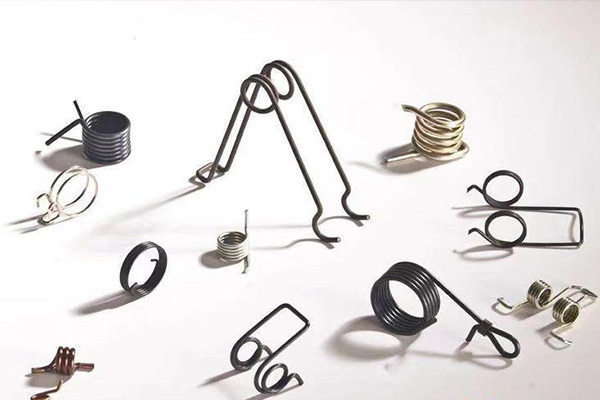
The current pattern of the spring industry
For the spring industry, for a long time, there has been an oversupply of low-grade ordinary springs.
2024-05-22
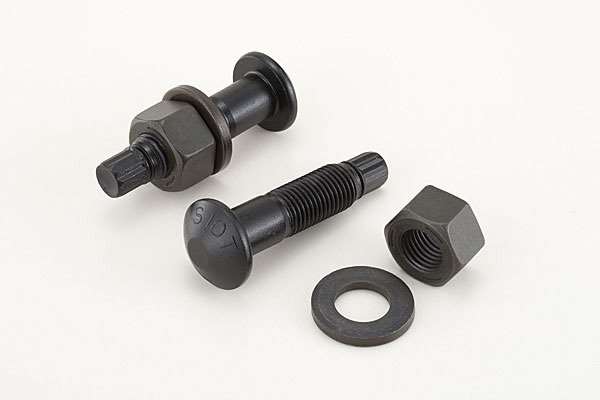
What material is generally used for high-strength bolts?
The upper limit of the tensile strength of the material used in high-strength bolts has a lot to do with the quenching treatment.
2024-05-22


Service E-mail
Service TEL
Address
Handan City, Hebei Province, China
To inquire about our products, please leave your email to us and we will contact you within 24 hours.
