



The Essential Guide to Welding Nails: Applications, Benefits, and Considerations
2025-12-16
Welding nails, also known as shear connectors or weld pins, are specialized fasteners used in construction and manufacturing processes. Unlike traditional nails, welding nails are designed to be fused directly to metal surfaces using welding techniques such as arc welding or resistance welding. This innovative approach offers several advantages, making welding nails a preferred choice for many ind
Welding nails, also known as shear connectors or weld pins, are specialized fasteners used in construction and manufacturing processes. Unlike traditional nails, welding nails are designed to be fused directly to metal surfaces using welding techniques such as arc welding or resistance welding. This innovative approach offers several advantages, making welding nails a preferred choice for many industrial applications.
One of the primary benefits of welding nails is their strong bond. When properly applied, welding nails create a joint that is often stronger than the base materials themselves. This is particularly valuable in applications where structural integrity is critical, such as in the construction of steel frameworks or in heavy machinery assembly. The elimination of pre-drilling and the ability to achieve a seamless finish also streamline the fastening process, reducing labor costs and time.
Another significant advantage is the enhanced vibration resistance that welding nails provide. In environments subject to high levels of vibration, such as in transportation or heavy equipment, traditional nails can loosen over time. However, welding nails remain securely fastened, helping to maintain the integrity of the assembly and reducing the risk of failure.
Welding nails are also highly versatile. They can be used in a variety of materials, including steel, aluminum, and certain composites. This adaptability makes them suitable for diverse industries, from automotive manufacturing to structural engineering. Furthermore, welding nails can be applied in various orientations and positions, allowing for greater flexibility during the assembly process.
However, there are important considerations for professionals when using welding nails. Proper training and knowledge of welding techniques are essential to ensure a strong and secure bond. The choice of welding method, the condition of the base material, and the type of welding nail are all critical factors that can influence the quality of the joint. Additionally, safety precautions must be taken during the welding process to protect workers from hazards associated with high temperatures and fumes.
In conclusion, welding nails represent a valuable solution for professionals in the industrial equipment and fasteners sector. Their strength, vibration resistance, and versatility make them ideal for a wide range of applications. By understanding the benefits and considerations associated with welding nails, industry professionals can make informed decisions that enhance their project outcomes and ensure structural integrity. As the demand for reliable and robust fastening solutions continues to grow, welding nails will undoubtedly play a vital role in shaping the future of industrial applications.
One of the primary benefits of welding nails is their strong bond. When properly applied, welding nails create a joint that is often stronger than the base materials themselves. This is particularly valuable in applications where structural integrity is critical, such as in the construction of steel frameworks or in heavy machinery assembly. The elimination of pre-drilling and the ability to achieve a seamless finish also streamline the fastening process, reducing labor costs and time.
Another significant advantage is the enhanced vibration resistance that welding nails provide. In environments subject to high levels of vibration, such as in transportation or heavy equipment, traditional nails can loosen over time. However, welding nails remain securely fastened, helping to maintain the integrity of the assembly and reducing the risk of failure.
Welding nails are also highly versatile. They can be used in a variety of materials, including steel, aluminum, and certain composites. This adaptability makes them suitable for diverse industries, from automotive manufacturing to structural engineering. Furthermore, welding nails can be applied in various orientations and positions, allowing for greater flexibility during the assembly process.
However, there are important considerations for professionals when using welding nails. Proper training and knowledge of welding techniques are essential to ensure a strong and secure bond. The choice of welding method, the condition of the base material, and the type of welding nail are all critical factors that can influence the quality of the joint. Additionally, safety precautions must be taken during the welding process to protect workers from hazards associated with high temperatures and fumes.
In conclusion, welding nails represent a valuable solution for professionals in the industrial equipment and fasteners sector. Their strength, vibration resistance, and versatility make them ideal for a wide range of applications. By understanding the benefits and considerations associated with welding nails, industry professionals can make informed decisions that enhance their project outcomes and ensure structural integrity. As the demand for reliable and robust fastening solutions continues to grow, welding nails will undoubtedly play a vital role in shaping the future of industrial applications.
Key words:
RELATED INFORMATION
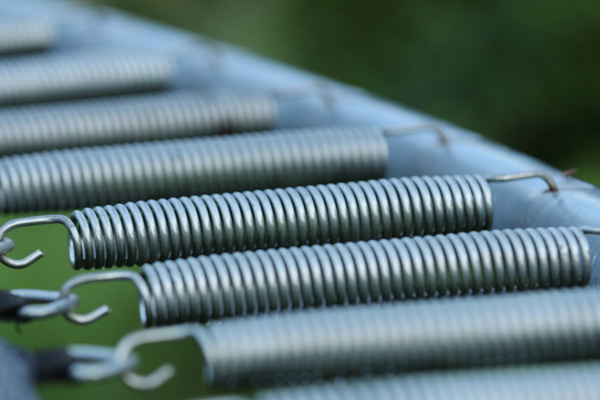
We know that within the elastic limit, the elongation (or contraction) of the spring is proportional to the external force.
2024-05-22
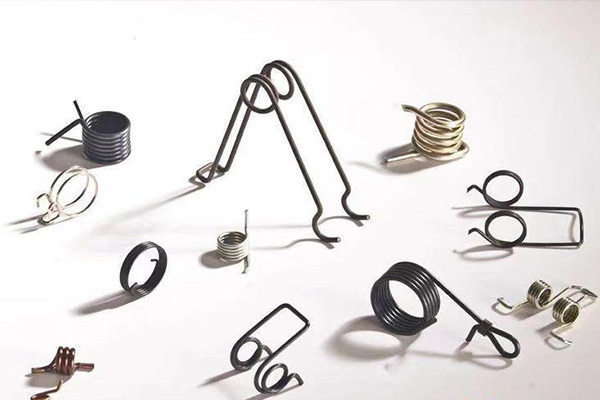
The current pattern of the spring industry
For the spring industry, for a long time, there has been an oversupply of low-grade ordinary springs.
2024-05-22
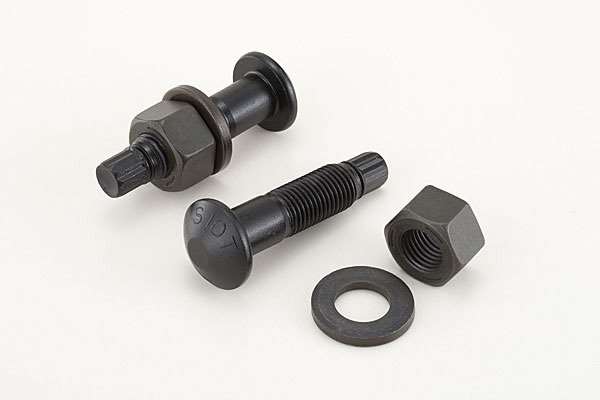
What material is generally used for high-strength bolts?
The upper limit of the tensile strength of the material used in high-strength bolts has a lot to do with the quenching treatment.
2024-05-22


Service E-mail
Service TEL
Address
Handan City, Hebei Province, China
To inquire about our products, please leave your email to us and we will contact you within 24 hours.
