



Stainless Steel Nuts in Aerospace: Meeting Industry Standards for Precision and Durability
2025-12-15
Stainless Steel Nuts in Aerospace: Meeting Industry Standards
Table of Contents
1. Introduction to Stainless Steel Nuts in Aerospace
2. The Importance of Fasteners in Aerospace Engineering
3. Material Properties of Stainless Steel Nuts
3.1 Corrosion Resistance
3.2 Strength and Durability
3.3 Weight Considerations
4. Industry St
Stainless Steel Nuts in Aerospace: Meeting Industry Standards
Table of Contents
- 1. Introduction to Stainless Steel Nuts in Aerospace
- 2. The Importance of Fasteners in Aerospace Engineering
- 3. Material Properties of Stainless Steel Nuts
- 4. Industry Standards for Aerospace Fasteners
- 5. Applications of Stainless Steel Nuts in Aerospace
- 6. Manufacturing Process of Stainless Steel Nuts
- 7. Future Trends in Aerospace Fasteners
- 8. Conclusion
- 9. FAQs
1. Introduction to Stainless Steel Nuts in Aerospace
In the aerospace industry, **fasteners** play a critical role in ensuring the safety, reliability, and performance of various components. Among these, **stainless steel nuts** stand out due to their unique properties that cater specifically to the demanding requirements of aerospace applications. As technology and engineering standards evolve, the need for robust and compliant fasteners has never been more crucial.
2. The Importance of Fasteners in Aerospace Engineering
Fasteners, including nuts, bolts, and screws, are essential for assembling different parts of an aircraft. They not only hold components together but also contribute to the overall structural integrity of the aircraft. In aerospace engineering:
- **Safety** is paramount, as any failure in fasteners can lead to catastrophic consequences.
- **Weight reduction** is a constant pursuit in order to enhance fuel efficiency and performance.
- **Durability** is necessary to withstand extreme conditions, including changes in temperature, pressure, and chemical exposure.
3. Material Properties of Stainless Steel Nuts
Stainless steel nuts are preferred in aerospace engineering due to their exceptional material properties. Understanding these properties helps in making informed choices regarding their application.
3.1 Corrosion Resistance
One of the standout features of **stainless steel** is its excellent corrosion resistance. This property is crucial for aerospace applications where components may be exposed to harsh environmental conditions, including high humidity, saltwater, and various chemicals. The presence of chromium in stainless steel forms a protective oxide layer, which prevents rust and corrosion, ensuring the longevity of the fasteners.
3.2 Strength and Durability
Stainless steel nuts offer high tensile strength, allowing them to withstand significant loads and stresses without deforming or failing. In the aerospace industry, components often experience fatigue from vibration and pressure changes, making the strength of fasteners vital. The durability of stainless steel ensures that nuts can maintain their integrity over extended periods, even under challenging operating conditions.
3.3 Weight Considerations
Weight is a critical factor in aerospace design. The use of stainless steel nuts allows engineers to achieve a balance between strength and weight. While stainless steel is generally heavier than some alternatives, its strength-to-weight ratio often makes it the material of choice for aerospace applications. Designers can reduce the size and number of fasteners without compromising structural integrity, ultimately contributing to overall weight savings.
4. Industry Standards for Aerospace Fasteners
Meeting industry standards is essential for ensuring the safety and reliability of aerospace components. Various regulations govern the production and use of fasteners, including stainless steel nuts.
4.1 MIL-SPECs and Their Importance
**Military specifications (MIL-SPECs)** are a set of standards that outline the requirements for materials, design, and manufacturing processes used in military and aerospace applications. These specifications ensure that fasteners meet stringent performance criteria, including:
- Resistance to corrosion and environmental degradation
- High tensile strength and fatigue resistance
- Consistency in manufacturing processes
Compliance with MIL-SPECs is not only a regulatory requirement but also a commitment to producing reliable components that can perform in critical situations.
4.2 Other Relevant Standards
In addition to MIL-SPECs, other industry standards such as **ASTM** (American Society for Testing and Materials) and **SAE** (Society of Automotive Engineers) also play a significant role in defining the quality and performance of stainless steel nuts. These standards provide guidelines for:
- Material composition
- Mechanical properties
- Testing methods
Adherence to these standards is paramount for achieving the necessary performance benchmarks in aerospace applications.
5. Applications of Stainless Steel Nuts in Aerospace
Stainless steel nuts are utilized in various applications within the aerospace sector. Their versatile properties make them suitable for critical components.
5.1 Aircraft Structures
In aircraft structures, stainless steel nuts are widely used in the assembly of fuselage, wings, and tail sections. Their strength and corrosion resistance ensure that the integrity of these critical components is maintained, even in the face of structural stresses and environmental challenges.
5.2 Engines and Systems
Stainless steel nuts also play a vital role in engine assembly and various systems, including hydraulic and pneumatic systems. The high temperatures and pressures encountered in these applications further highlight the need for durable and reliable fasteners.
6. Manufacturing Process of Stainless Steel Nuts
The manufacturing process of stainless steel nuts involves several steps to ensure that the final product meets industry standards.
6.1 Forging and Machining Techniques
The production of stainless steel nuts typically starts with **forging**. This process involves shaping the metal under high pressure to create a rough form. Following forging, **machining** techniques are employed to achieve the desired dimensions and threads. Precision in machining is essential to ensure proper fit and function in aerospace applications.
6.2 Quality Control Measures
Quality control is a critical aspect of the manufacturing process. Testing methods, including tensile testing, hardness testing, and corrosion resistance assessments, are employed to ensure that the nuts meet the required specifications. Regular inspections and adherence to quality management systems guarantee that only the highest quality fasteners are used in aerospace applications.
7. Future Trends in Aerospace Fasteners
The aerospace industry is continually evolving, driven by advancements in technology and materials science. Future trends in the use of stainless steel nuts may include:
- **Innovative alloys** that enhance performance characteristics, such as increased strength or reduced weight.
- **Additive manufacturing**, which allows for the production of complex geometric shapes and design optimizations that were previously unattainable.
- Greater emphasis on **sustainability**, including the use of eco-friendly manufacturing processes and materials.
As the industry moves forward, the development of new technologies will undeniably influence the design and application of stainless steel nuts in aerospace.
8. Conclusion
Stainless steel nuts are invaluable in the aerospace industry, offering a combination of strength, durability, and corrosion resistance. Their adherence to stringent industry standards ensures that they can withstand the demands of various aerospace applications. As technology continues to advance, the role of stainless steel nuts will evolve, paving the way for innovations that enhance performance and sustainability in aerospace engineering.
9. FAQs
What are the main benefits of using stainless steel nuts in aerospace applications?
Stainless steel nuts provide excellent corrosion resistance, high tensile strength, and durability, making them ideal for the extreme conditions faced in aerospace environments.
How do stainless steel nuts compare to other materials used in aerospace fasteners?
While other materials such as aluminum may offer weight savings, stainless steel nuts excel in strength and corrosion resistance, which are critical for safety and reliability in aerospace applications.
What industry standards must stainless steel nuts meet for aerospace use?
Stainless steel nuts must comply with various industry standards, including MIL-SPECs, ASTM, and SAE, which dictate material composition, mechanical properties, and testing methods.
What manufacturing processes are used to create stainless steel nuts?
Stainless steel nuts are typically manufactured through forging and machining processes, followed by rigorous quality control measures to ensure compliance with industry standards.
What future trends should we expect in the use of stainless steel nuts in aerospace?
Future trends may include the development of innovative alloys, increased application of additive manufacturing, and a focus on sustainability in the production of aerospace fasteners.
Key words:
RELATED INFORMATION
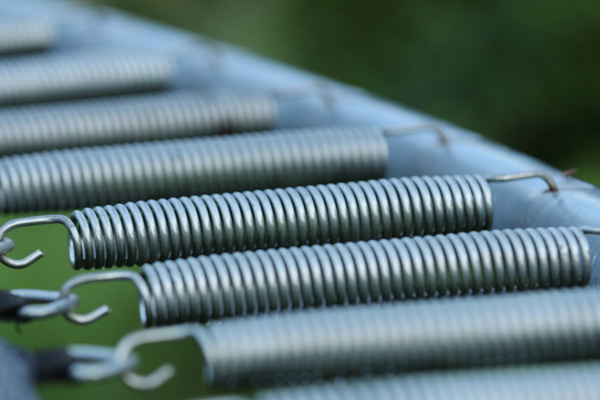
We know that within the elastic limit, the elongation (or contraction) of the spring is proportional to the external force.
2024-05-22
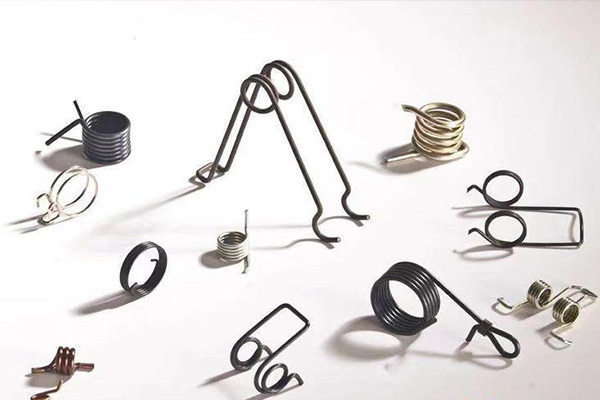
The current pattern of the spring industry
For the spring industry, for a long time, there has been an oversupply of low-grade ordinary springs.
2024-05-22
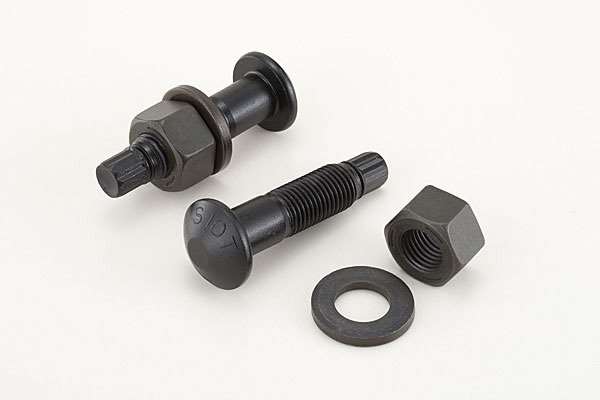
What material is generally used for high-strength bolts?
The upper limit of the tensile strength of the material used in high-strength bolts has a lot to do with the quenching treatment.
2024-05-22


Service E-mail
Service TEL
Address
Handan City, Hebei Province, China
To inquire about our products, please leave your email to us and we will contact you within 24 hours.
