



The Essential Guide to Stainless Steel Drill Tail Wire: Key Insights for Industrial Applications
2025-11-30
Stainless steel drill tail wire is an essential component in various industrial applications, particularly within the fastening and connecting sectors. Its unique properties make it a favorable choice for many projects that require durability, corrosion resistance, and a reliable performance. This article provides an overview of stainless steel drill tail wire, emphasizing its technical aspects an
Stainless steel drill tail wire is an essential component in various industrial applications, particularly within the fastening and connecting sectors. Its unique properties make it a favorable choice for many projects that require durability, corrosion resistance, and a reliable performance. This article provides an overview of stainless steel drill tail wire, emphasizing its technical aspects and applications.
One of the primary benefits of stainless steel drill tail wire is its remarkable corrosion resistance. Unlike other materials, stainless steel withstands exposure to harsh environmental conditions, making it ideal for outdoor and industrial settings. This ensures that connections remain secure and intact, even in challenging environments, which is crucial for maintaining the integrity of any assembly.
Furthermore, stainless steel drill tail wire is known for its strength and durability. The material's inherent tensile strength allows it to handle significant loads without deformation or breakage. This characteristic is particularly beneficial in applications where safety and reliability are paramount, such as in heavy machinery or structural installations. Additionally, the high elongation properties of stainless steel ensure that the wire can absorb shock loads without risks of failure.
In terms of versatility, stainless steel drill tail wire can be used in a wide range of applications. It is commonly employed in the automotive, aerospace, and construction industries for securing components and ensuring structural integrity. The wire can be easily manipulated to form various shapes and sizes, allowing for custom solutions tailored to specific needs.
When working with stainless steel drill tail wire, proper handling and installation techniques are crucial. It is essential to use the appropriate drilling tools and methods to achieve clean and precise holes. Additionally, maintaining the integrity of the wire during installation ensures optimal performance and longevity. For industries that prioritize efficiency and effectiveness, understanding the best practices for using stainless steel drill tail wire can lead to significant improvements in productivity and outcomes.
Moreover, the use of stainless steel drill tail wire can also contribute to sustainability efforts. The material is recyclable, which aligns with the growing trend of eco-friendly practices in industrial operations. This characteristic not only reduces waste but also supports manufacturers in meeting regulatory standards related to environmental impact.
In conclusion, stainless steel drill tail wire is a vital component in the realm of industrial equipment and fasteners. Its corrosion resistance, strength, and versatility make it an excellent choice for various applications. By understanding its properties and best practices, professionals can leverage stainless steel drill tail wire to enhance their projects effectively and sustainably.
One of the primary benefits of stainless steel drill tail wire is its remarkable corrosion resistance. Unlike other materials, stainless steel withstands exposure to harsh environmental conditions, making it ideal for outdoor and industrial settings. This ensures that connections remain secure and intact, even in challenging environments, which is crucial for maintaining the integrity of any assembly.
Furthermore, stainless steel drill tail wire is known for its strength and durability. The material's inherent tensile strength allows it to handle significant loads without deformation or breakage. This characteristic is particularly beneficial in applications where safety and reliability are paramount, such as in heavy machinery or structural installations. Additionally, the high elongation properties of stainless steel ensure that the wire can absorb shock loads without risks of failure.
In terms of versatility, stainless steel drill tail wire can be used in a wide range of applications. It is commonly employed in the automotive, aerospace, and construction industries for securing components and ensuring structural integrity. The wire can be easily manipulated to form various shapes and sizes, allowing for custom solutions tailored to specific needs.
When working with stainless steel drill tail wire, proper handling and installation techniques are crucial. It is essential to use the appropriate drilling tools and methods to achieve clean and precise holes. Additionally, maintaining the integrity of the wire during installation ensures optimal performance and longevity. For industries that prioritize efficiency and effectiveness, understanding the best practices for using stainless steel drill tail wire can lead to significant improvements in productivity and outcomes.
Moreover, the use of stainless steel drill tail wire can also contribute to sustainability efforts. The material is recyclable, which aligns with the growing trend of eco-friendly practices in industrial operations. This characteristic not only reduces waste but also supports manufacturers in meeting regulatory standards related to environmental impact.
In conclusion, stainless steel drill tail wire is a vital component in the realm of industrial equipment and fasteners. Its corrosion resistance, strength, and versatility make it an excellent choice for various applications. By understanding its properties and best practices, professionals can leverage stainless steel drill tail wire to enhance their projects effectively and sustainably.
Key words:
RELATED INFORMATION
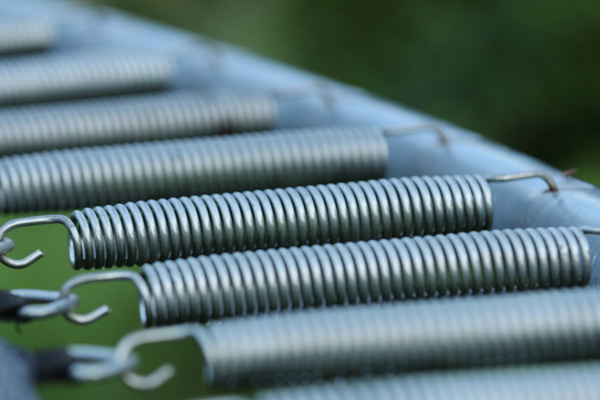
We know that within the elastic limit, the elongation (or contraction) of the spring is proportional to the external force.
2024-05-22
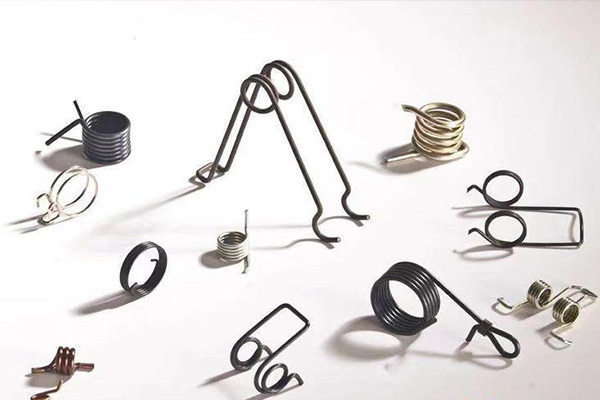
The current pattern of the spring industry
For the spring industry, for a long time, there has been an oversupply of low-grade ordinary springs.
2024-05-22
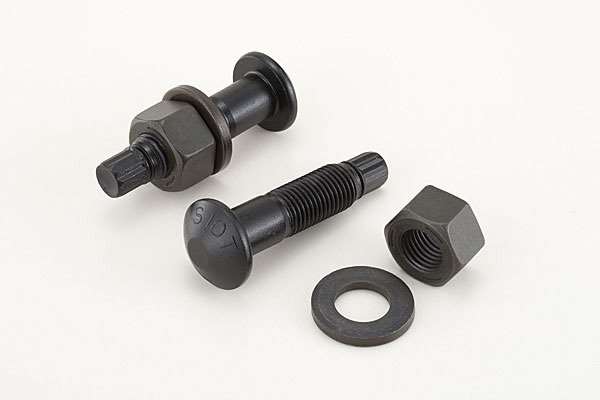
What material is generally used for high-strength bolts?
The upper limit of the tensile strength of the material used in high-strength bolts has a lot to do with the quenching treatment.
2024-05-22


Service E-mail
Service TEL
Address
Handan City, Hebei Province, China
To inquire about our products, please leave your email to us and we will contact you within 24 hours.
