



How Embedded Parts Drive Innovation in the Fastening Industry
2025-11-29
How Embedded Parts Drive Innovation in the Fastening Industry
Table of Contents
1. Introduction to Embedded Parts in Fastening
2. The Role of Embedded Parts in Modern Manufacturing
3. Types of Embedded Parts Used in Fastening
4. Benefits of Using Embedded Parts
5. Latest Trends in Fastening Technology
6. Case Studies: Embedded Parts in Action
7. The Future of the Faste
How Embedded Parts Drive Innovation in the Fastening Industry
Table of Contents
- 1. Introduction to Embedded Parts in Fastening
- 2. The Role of Embedded Parts in Modern Manufacturing
- 3. Types of Embedded Parts Used in Fastening
- 4. Benefits of Using Embedded Parts
- 5. Latest Trends in Fastening Technology
- 6. Case Studies: Embedded Parts in Action
- 7. The Future of the Fastening Industry
- 8. Conclusion
- 9. Frequently Asked Questions
1. Introduction to Embedded Parts in Fastening
In the evolving landscape of manufacturing, **embedded parts** have emerged as a game-changer in the **fastening industry**. These components, integrated within larger systems, serve a crucial purpose in enhancing the efficiency, reliability, and performance of fastening solutions. As industries increasingly seek innovative ways to improve product quality and operational efficiency, understanding how embedded parts drive innovation is essential.
2. The Role of Embedded Parts in Modern Manufacturing
Embedded parts serve as the backbone of modern fastening solutions. By integrating these components directly into products, manufacturers can achieve several advantages:
Efficiency Enhancement
The integration of embedded parts minimizes assembly time and reduces the need for multiple separate components. This streamlining of the assembly process not only speeds up production but also lowers labor costs.
Increased Durability and Reliability
When parts are embedded within a single assembly, the potential for wear and tear decreases significantly. Manufacturers are finding that embedded components often lead to stronger, more durable products that withstand the test of time.
Smart Technology Integration
With the rise of **Industry 4.0**, embedded parts are increasingly associated with smart technologies. These components allow for the incorporation of sensors and monitoring devices, facilitating real-time data collection and analysis.
3. Types of Embedded Parts Used in Fastening
The fastening industry incorporates various types of embedded components that cater to diverse applications. Understanding these types is crucial for manufacturers looking to innovate.
Fasteners with Integrated Sensors
These fasteners monitor metrics such as tension and torque, providing users with valuable data that can optimize performance and prevent failures.
Self-Locking Mechanisms
Embedded self-locking mechanisms enhance security and reduce the risk of loosening due to vibrations, a common challenge in industries such as automotive and aerospace.
Hybrid Fasteners
Hybrid fasteners combine multiple functions within a single component. For example, a fastener might serve both as a connector and as a means of electrical conductivity, paving the way for more compact designs.
4. Benefits of Using Embedded Parts
The adoption of embedded parts within the fastening industry presents numerous benefits that are driving widespread innovation.
Cost Reduction
By reducing the need for additional components, embedded parts can significantly lower material and assembly costs. This reduction in complexity leads to more competitive pricing for end products.
Improved Safety
Safety is paramount in manufacturing. Embedded components can often provide greater security and reliability than traditional fastening methods, leading to safer end products.
Enhanced Product Performance
Products utilizing embedded parts often exhibit improved performance metrics, such as strength, weight, and resistance to environmental factors. This improvement leads to greater customer satisfaction and loyalty.
5. Latest Trends in Fastening Technology
As we analyze the future of the fastening industry, several trends emerge that highlight the growing significance of embedded parts.
3D Printing and Additive Manufacturing
The advent of 3D printing technologies allows manufacturers to create customized embedded components with precision. This innovation is paving the way for tailored fastening solutions that meet specific industry needs.
Sustainability and Eco-Friendly Materials
With an increasing focus on sustainability, manufacturers are exploring eco-friendly materials for embedded parts. These materials not only reduce environmental impact but also meet consumer demand for greener products.
Integration of IoT Technologies
The Internet of Things (IoT) is revolutionizing various industries, including fastening. By embedding IoT capabilities within fasteners, manufacturers create smart systems that enhance monitoring and maintenance, ultimately leading to reduced downtime.
6. Case Studies: Embedded Parts in Action
Examining real-world applications can illustrate the transformative effects of embedded parts in the fastening industry.
Case Study 1: Automotive Industry
In the automotive sector, manufacturers have begun integrating sensors into wheel fasteners. These sensors monitor torque levels, alerting operators to any loosening that might compromise safety. This innovation has reduced maintenance costs and improved vehicle safety ratings.
Case Study 2: Aerospace Applications
Aerospace companies are leveraging embedded parts to enhance component durability. For instance, self-locking fasteners used in critical systems ensure reliability under extreme conditions, significantly reducing the risk of mechanical failure.
7. The Future of the Fastening Industry
The future of the fastening industry is bright, with embedded parts at the forefront of innovation. As manufacturers continue to prioritize automation and smart technologies, we can expect several key developments.
Integration of Artificial Intelligence
AI will play a significant role in optimizing the design and manufacturing of embedded parts. Predictive analytics can help identify potential failure points, ensuring that products maintain high performance throughout their lifecycle.
Collaborative Robotics
The use of collaborative robots (cobots) in assembly lines will further enhance the efficiency of integrating embedded parts. These robots will enable manufacturers to achieve higher precision and flexibility in production.
Expansion into New Markets
The demand for embedded parts is expanding beyond traditional industries. Sectors such as construction, electronics, and renewable energy are increasingly adopting embedded fasteners, indicating a broader market potential.
8. Conclusion
Embedded parts are undeniably driving innovation within the fastening industry. Their integration offers substantial benefits, including cost reduction, improved safety, and enhanced performance. As manufacturers continue to explore new technologies and materials, we can anticipate a future where embedded parts become standard in fastening solutions. Embracing this shift will not only propel industry advancements but also ensure that companies remain competitive in an ever-evolving market.
9. Frequently Asked Questions
What are embedded parts in the fastening industry?
Embedded parts refer to components that are integrated into larger systems or products, enhancing their functionality and performance.
How do embedded parts improve safety in manufacturing?
By providing enhanced security and reliability, embedded parts reduce the risk of failures and accidents, ultimately leading to safer products.
What industries are adopting embedded parts in fastening?
Industries such as automotive, aerospace, electronics, and renewable energy are increasingly utilizing embedded parts for their benefits.
Can embedded parts reduce manufacturing costs?
Yes, by minimizing the need for additional components and simplifying assembly processes, embedded parts can significantly lower manufacturing costs.
What is the future of embedded technology in the fastening industry?
The future is promising, with advancements in AI, IoT, and sustainable materials poised to drive further innovation and application of embedded parts in various sectors.
Key words:
RELATED INFORMATION
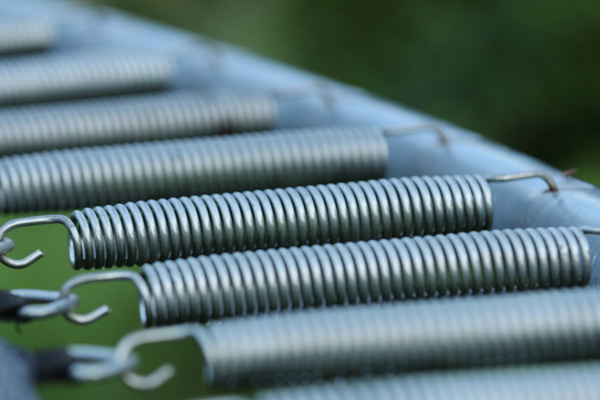
We know that within the elastic limit, the elongation (or contraction) of the spring is proportional to the external force.
2024-05-22
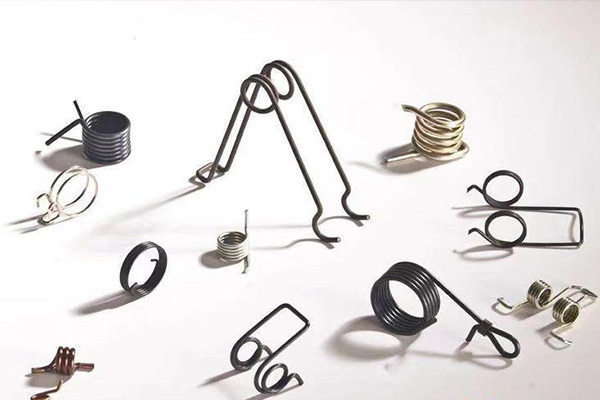
The current pattern of the spring industry
For the spring industry, for a long time, there has been an oversupply of low-grade ordinary springs.
2024-05-22
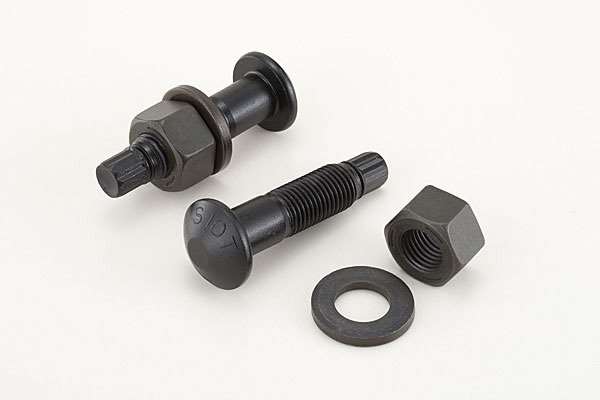
What material is generally used for high-strength bolts?
The upper limit of the tensile strength of the material used in high-strength bolts has a lot to do with the quenching treatment.
2024-05-22


Service E-mail
Service TEL
Address
Handan City, Hebei Province, China
To inquire about our products, please leave your email to us and we will contact you within 24 hours.
