



Troubleshooting Common Issues with Stainless Steel Pins: A Comprehensive Guide
2025-11-01
Troubleshooting Common Issues with Stainless Steel Pins: A Comprehensive Guide
Table of Contents
1. Introduction to Stainless Steel Pins
2. Common Issues with Stainless Steel Pins
2.1 Corrosion and Rust Formation
2.2 Galling and Seizure
2.3 Bending and Deformation
2.4 Looseness and Vibration
3. Diagnosing Issues with St
Troubleshooting Common Issues with Stainless Steel Pins: A Comprehensive Guide
Table of Contents
- 1. Introduction to Stainless Steel Pins
- 2. Common Issues with Stainless Steel Pins
- 2.1 Corrosion and Rust Formation
- 2.2 Galling and Seizure
- 2.3 Bending and Deformation
- 2.4 Looseness and Vibration
- 3. Diagnosing Issues with Stainless Steel Pins
- 4. Solutions to Common Issues
- 4.1 Preventing Corrosion
- 4.2 Solutions for Galling
- 4.3 Preventing Bending and Deformation
- 4.4 Effective Tightening Techniques
- 5. Preventive Measures for Stainless Steel Pins
- 6. Conclusion
- 7. Frequently Asked Questions (FAQs)
1. Introduction to Stainless Steel Pins
Stainless steel pins are widely used in various industrial applications due to their strength, durability, and resistance to corrosion. They play a crucial role in mechanical assemblies, fastening systems, and structural support, making them essential components in the manufacturing and construction industries. However, like any mechanical component, stainless steel pins can encounter issues that may affect their performance and longevity.
In this guide, we will explore the common problems associated with stainless steel pins, effective diagnostic techniques, and the best solutions to ensure their optimal functionality.
2. Common Issues with Stainless Steel Pins
Understanding the key issues that can arise with stainless steel pins is vital for maintaining their performance. Below, we outline the most common challenges faced by professionals in the field.
2.1 Corrosion and Rust Formation
While stainless steel is known for its corrosion resistance, it is not entirely immune to rust formation. Factors such as moisture, exposure to harsh chemicals, and the presence of chlorides can lead to localized corrosion or pitting. This is especially prevalent in marine environments or industrial settings where exposure to contaminants is high.
2.2 Galling and Seizure
Galling occurs when two metal surfaces rub against each other, causing material transfer and eventual seizure. This problem can be particularly pronounced in stainless steel pins, especially when they are subjected to high loads or inadequate lubrication. Galling can lead to significant operational issues, including the inability to assemble or disassemble components.
2.3 Bending and Deformation
Stainless steel pins are subjected to various loads during operation. If these loads exceed the pins' yield strength, bending or deformation may occur. This can compromise the structural integrity of the assembly and lead to failure.
2.4 Looseness and Vibration
Over time, stainless steel pins can become loose due to vibration and dynamic loads. This issue can lead to misalignment, reduced performance, and potential damage to surrounding components. Regular inspections and maintenance are essential to prevent such problems.
3. Diagnosing Issues with Stainless Steel Pins
Effective troubleshooting begins with accurate diagnosis. This section outlines practical techniques for identifying issues with stainless steel pins.
3.1 Visual Inspection Techniques
A thorough visual inspection is often the first step in diagnosing problems with stainless steel pins. Inspect for signs of corrosion, galling, or physical damage. Look for discoloration or pitting that may indicate rust formation. Utilize magnification tools for a closer examination, especially in intricate assemblies.
3.2 Performance Testing Methods
In addition to visual inspections, performance testing can provide valuable insights into the functionality of stainless steel pins. Load testing, for example, can determine whether the pins can withstand the intended loads without bending or deforming. Vibration analysis can help identify issues related to looseness and misalignment.
4. Solutions to Common Issues
Once the issues are identified, implementing effective solutions is crucial for restoring the performance of stainless steel pins.
4.1 Preventing Corrosion
To mitigate corrosion, consider applying protective coatings or using stainless steel with higher resistance to pitting (such as 316 stainless steel). Ensure that pins are regularly cleaned to remove contaminants and moisture. In environments where chloride exposure is likely, additional protective measures, such as sacrificial anodes or cathodic protection, may be necessary.
4.2 Solutions for Galling
To reduce the risk of galling, lubricate stainless steel pins with appropriate anti-galling lubricants. Using pins made from materials with lower friction coefficients can also help prevent galling. In some cases, selecting pins with a different surface finish or coating can reduce the likelihood of galling occurring.
4.3 Preventing Bending and Deformation
To prevent bending and deformation, ensure that the pins are appropriately sized for their intended application and load capacity. Regularly inspect load-bearing applications and replace any pins showing signs of damage. In high-load environments, consider using thicker or reinforced pins to enhance load-bearing capacity.
4.4 Effective Tightening Techniques
When installing stainless steel pins, it’s crucial to use proper tightening techniques. Over-tightening can lead to deformation, while under-tightening can result in looseness. Utilize torque wrenches for accurate installation and follow the manufacturer’s guidelines for recommended torque settings.
5. Preventive Measures for Stainless Steel Pins
Preventive maintenance is essential in extending the life of stainless steel pins and ensuring their reliable performance.
- **Routine Inspections**: Schedule regular inspections to check for signs of wear, corrosion, or damage. Early detection can prevent more significant issues down the line.
- **Environmental Controls**: In environments prone to moisture or chemicals, control exposure levels to minimize corrosion risks.
- **Training and Guidelines**: Ensure that personnel are adequately trained in proper handling and installation techniques to reduce the risk of galling and other issues.
6. Conclusion
Troubleshooting common issues with stainless steel pins is an essential aspect of maintaining their functionality in various applications. By understanding the typical problems, implementing effective diagnostic techniques, and adopting preventive measures, professionals can enhance the reliability and performance of these critical components. Regular maintenance and attention to detail can significantly extend the life of stainless steel pins, ensuring optimal operation in diverse industrial settings.
7. Frequently Asked Questions (FAQs)
What are the signs of corrosion on stainless steel pins?
Corrosion can manifest as discoloration, pitting, or rust spots on the surface of stainless steel pins. Regular inspections can help identify these signs early.
How can galling be prevented in stainless steel pins?
Galling can be minimized by using appropriate lubricants and selecting materials with lower friction coefficients. Proper installation techniques can also help.
What should I do if a stainless steel pin is bent?
If a stainless steel pin is bent, it should be inspected for structural integrity. In most cases, it is advisable to replace the bent pin to ensure safety and performance.
How often should stainless steel pins be inspected?
Regular inspections should be conducted based on the application and environment. A good practice is to inspect them quarterly or after significant operational changes.
Can stainless steel pins be used in marine environments?
Yes, stainless steel pins can be used in marine environments. However, selecting higher-grade stainless steel, such as 316, can help improve corrosion resistance in these conditions.
By implementing the strategies outlined in this comprehensive guide, we can effectively troubleshoot and prevent issues with stainless steel pins, ensuring their reliable performance in various applications.
Key words:
RELATED INFORMATION
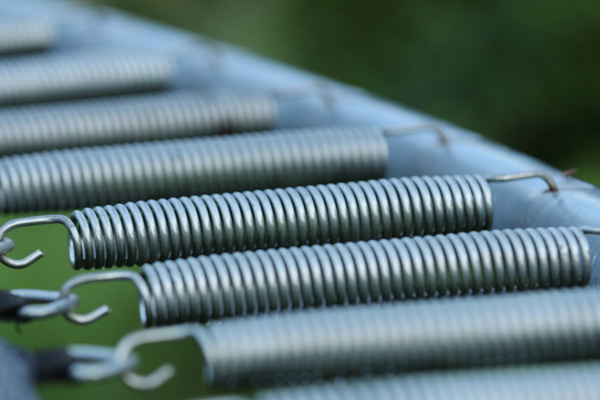
We know that within the elastic limit, the elongation (or contraction) of the spring is proportional to the external force.
2024-05-22
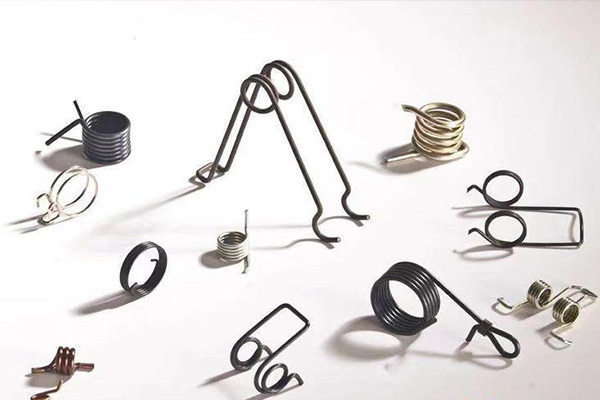
The current pattern of the spring industry
For the spring industry, for a long time, there has been an oversupply of low-grade ordinary springs.
2024-05-22
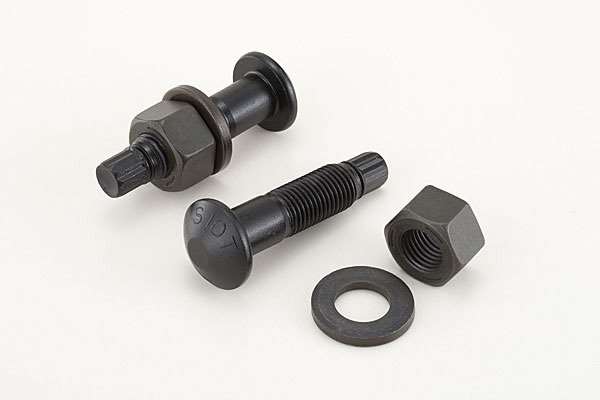
What material is generally used for high-strength bolts?
The upper limit of the tensile strength of the material used in high-strength bolts has a lot to do with the quenching treatment.
2024-05-22


Service E-mail
Service TEL
Address
Handan City, Hebei Province, China
To inquire about our products, please leave your email to us and we will contact you within 24 hours.
