



Understanding Stainless Steel Drill Tail Wire: Applications and Benefits in Industrial Fastening
2025-10-31
Stainless steel drill tail wire is an essential component in various industrial applications, particularly in the fastening and connecting sector. This specialized wire is designed to provide reliable performance and durability in challenging environments. It is often utilized for tasks that require a high level of strength and resistance to corrosion, making it ideal for industrial settings where
Stainless steel drill tail wire is an essential component in various industrial applications, particularly in the fastening and connecting sector. This specialized wire is designed to provide reliable performance and durability in challenging environments. It is often utilized for tasks that require a high level of strength and resistance to corrosion, making it ideal for industrial settings where exposure to moisture and chemicals is common.
One of the primary advantages of stainless steel drill tail wire is its exceptional resistance to rust and corrosion. The material's composition allows it to maintain its integrity even in harsh conditions, which is crucial for ensuring the longevity of the connections in industrial equipment. This property is particularly beneficial in applications related to construction, automotive, and marine industries, where reliability is paramount.
Moreover, the strength of stainless steel drill tail wire makes it suitable for heavy-duty fastening applications. It can withstand significant tensile forces, ensuring that components remain securely connected under stress. This characteristic is particularly vital in scenarios where equipment is subject to vibrations or dynamic loads, as it helps prevent loosening or failure of the connections.
In addition to its mechanical properties, stainless steel drill tail wire is also known for its ease of use. It can be easily manipulated and shaped, making it a versatile option for various fastening solutions. The wire is compatible with a range of drilling and fastening tools, allowing for seamless integration into existing processes. This adaptability not only enhances efficiency but also reduces the need for extensive modifications to equipment or assembly lines.
Another noteworthy aspect of stainless steel drill tail wire is its aesthetic appeal. In applications where visibility is a concern, such as in architectural or design-oriented projects, the sleek and polished finish of stainless steel can enhance the overall appearance of the installation. This quality allows manufacturers and engineers to not only focus on functionality but also on the visual aspects of their projects.
When considering the use of stainless steel drill tail wire, it is essential to assess the specific requirements of your application. Factors such as load-bearing capacity, environmental exposure, and compatibility with other materials should be evaluated to ensure optimal performance. Consulting with industry professionals can provide valuable insights and guidance in selecting the right type of stainless steel drill tail wire for your needs.
In conclusion, stainless steel drill tail wire is a vital component in the industrial fastening landscape. Its unique combination of strength, corrosion resistance, and versatility makes it an ideal choice for a wide range of applications. By understanding its properties and benefits, professionals can make informed decisions that enhance the reliability and efficiency of their industrial processes.
One of the primary advantages of stainless steel drill tail wire is its exceptional resistance to rust and corrosion. The material's composition allows it to maintain its integrity even in harsh conditions, which is crucial for ensuring the longevity of the connections in industrial equipment. This property is particularly beneficial in applications related to construction, automotive, and marine industries, where reliability is paramount.
Moreover, the strength of stainless steel drill tail wire makes it suitable for heavy-duty fastening applications. It can withstand significant tensile forces, ensuring that components remain securely connected under stress. This characteristic is particularly vital in scenarios where equipment is subject to vibrations or dynamic loads, as it helps prevent loosening or failure of the connections.
In addition to its mechanical properties, stainless steel drill tail wire is also known for its ease of use. It can be easily manipulated and shaped, making it a versatile option for various fastening solutions. The wire is compatible with a range of drilling and fastening tools, allowing for seamless integration into existing processes. This adaptability not only enhances efficiency but also reduces the need for extensive modifications to equipment or assembly lines.
Another noteworthy aspect of stainless steel drill tail wire is its aesthetic appeal. In applications where visibility is a concern, such as in architectural or design-oriented projects, the sleek and polished finish of stainless steel can enhance the overall appearance of the installation. This quality allows manufacturers and engineers to not only focus on functionality but also on the visual aspects of their projects.
When considering the use of stainless steel drill tail wire, it is essential to assess the specific requirements of your application. Factors such as load-bearing capacity, environmental exposure, and compatibility with other materials should be evaluated to ensure optimal performance. Consulting with industry professionals can provide valuable insights and guidance in selecting the right type of stainless steel drill tail wire for your needs.
In conclusion, stainless steel drill tail wire is a vital component in the industrial fastening landscape. Its unique combination of strength, corrosion resistance, and versatility makes it an ideal choice for a wide range of applications. By understanding its properties and benefits, professionals can make informed decisions that enhance the reliability and efficiency of their industrial processes.
Key words:
RELATED INFORMATION
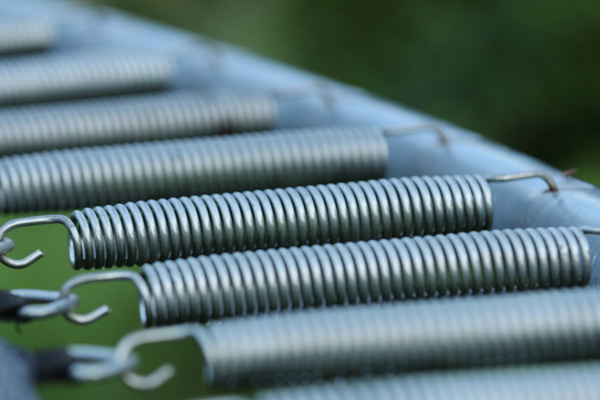
We know that within the elastic limit, the elongation (or contraction) of the spring is proportional to the external force.
2024-05-22
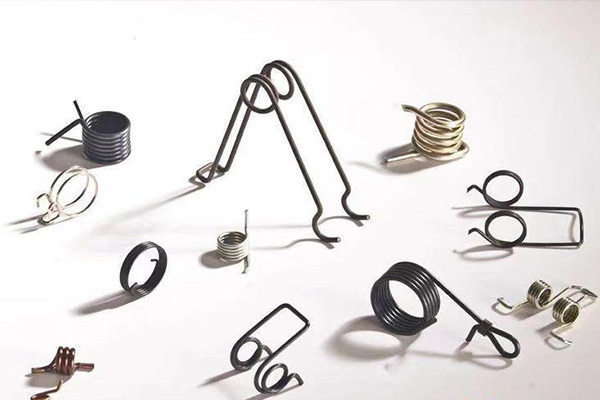
The current pattern of the spring industry
For the spring industry, for a long time, there has been an oversupply of low-grade ordinary springs.
2024-05-22
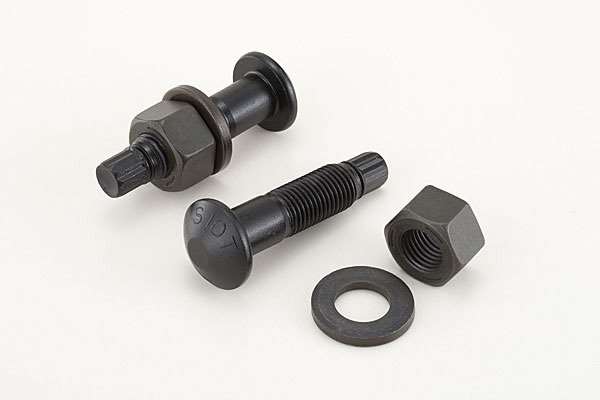
What material is generally used for high-strength bolts?
The upper limit of the tensile strength of the material used in high-strength bolts has a lot to do with the quenching treatment.
2024-05-22


Service E-mail
Service TEL
Address
Handan City, Hebei Province, China
To inquire about our products, please leave your email to us and we will contact you within 24 hours.
