



Understanding Welding Nails: Essential Insights for Industrial Professionals
2025-10-05
Welding nails are specialized fasteners designed for applications requiring robust and reliable connections. They are predominantly used in the construction and manufacturing sectors, where the integrity of joints is paramount. Unlike conventional nails, welding nails are not merely hammered into place; instead, they are fused to surfaces using a welding process. This unique method provides a stro
Welding nails are specialized fasteners designed for applications requiring robust and reliable connections. They are predominantly used in the construction and manufacturing sectors, where the integrity of joints is paramount. Unlike conventional nails, welding nails are not merely hammered into place; instead, they are fused to surfaces using a welding process. This unique method provides a strong bond that enhances the durability and stability of structures.
One of the primary advantages of welding nails is their ability to create a permanent connection. When welding nails are employed, the bond formed through high temperatures allows for a seamless integration with the base materials, which can include metals and some plastics. This feature makes them particularly valuable in heavy-duty applications, such as in the automotive and aerospace industries, where mechanical strength and reliability are critical.
The technology behind welding nails involves various welding methods, including resistance welding and arc welding. Resistance welding utilizes electrical currents to generate heat at the joint between the nail and the workpiece, effectively melting the contact points and creating a solid connection upon cooling. On the other hand, arc welding employs an electric arc to achieve a similar effect, allowing for customization in terms of nail size and shape based on specific project requirements.
In terms of material selection, welding nails are typically constructed from high-strength alloys to withstand significant stress and environmental factors. The choice of materials is crucial, as it directly impacts the performance and longevity of the fasteners. Additionally, surface treatments may be applied to enhance corrosion resistance, particularly in outdoor or harsh industrial environments.
Welding nails also contribute to efficient assembly processes. Since they can be applied quickly and require minimal additional hardware, they reduce labor costs and time on the job site. This efficiency makes them a preferred choice among construction professionals who are always looking for ways to streamline operations and enhance productivity.
Moreover, the versatility of welding nails allows them to be used in various applications beyond traditional construction. They are increasingly being utilized in manufacturing processes, automotive assembly lines, and even in the production of furniture and appliances. This adaptability ensures that welding nails remain a relevant and valuable fastening solution across multiple industries.
In conclusion, understanding the role and advantages of welding nails is essential for professionals involved in industrial applications. By leveraging their unique properties and the latest welding technologies, businesses can achieve superior fastening solutions that meet the demands of modern construction and manufacturing challenges. Whether for structural integrity or efficiency in assembly, welding nails offer a compelling option for industrial fastening needs.
One of the primary advantages of welding nails is their ability to create a permanent connection. When welding nails are employed, the bond formed through high temperatures allows for a seamless integration with the base materials, which can include metals and some plastics. This feature makes them particularly valuable in heavy-duty applications, such as in the automotive and aerospace industries, where mechanical strength and reliability are critical.
The technology behind welding nails involves various welding methods, including resistance welding and arc welding. Resistance welding utilizes electrical currents to generate heat at the joint between the nail and the workpiece, effectively melting the contact points and creating a solid connection upon cooling. On the other hand, arc welding employs an electric arc to achieve a similar effect, allowing for customization in terms of nail size and shape based on specific project requirements.
In terms of material selection, welding nails are typically constructed from high-strength alloys to withstand significant stress and environmental factors. The choice of materials is crucial, as it directly impacts the performance and longevity of the fasteners. Additionally, surface treatments may be applied to enhance corrosion resistance, particularly in outdoor or harsh industrial environments.
Welding nails also contribute to efficient assembly processes. Since they can be applied quickly and require minimal additional hardware, they reduce labor costs and time on the job site. This efficiency makes them a preferred choice among construction professionals who are always looking for ways to streamline operations and enhance productivity.
Moreover, the versatility of welding nails allows them to be used in various applications beyond traditional construction. They are increasingly being utilized in manufacturing processes, automotive assembly lines, and even in the production of furniture and appliances. This adaptability ensures that welding nails remain a relevant and valuable fastening solution across multiple industries.
In conclusion, understanding the role and advantages of welding nails is essential for professionals involved in industrial applications. By leveraging their unique properties and the latest welding technologies, businesses can achieve superior fastening solutions that meet the demands of modern construction and manufacturing challenges. Whether for structural integrity or efficiency in assembly, welding nails offer a compelling option for industrial fastening needs.
Key words:
RELATED INFORMATION
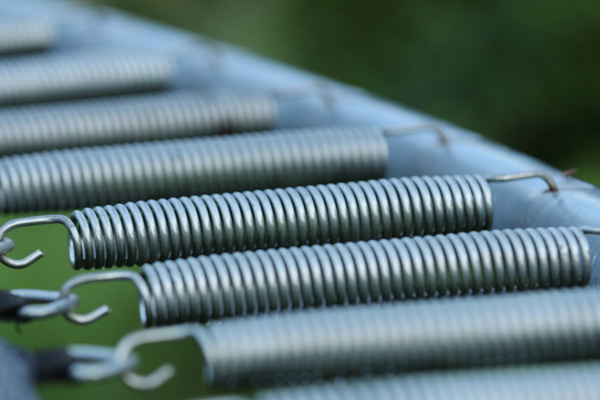
We know that within the elastic limit, the elongation (or contraction) of the spring is proportional to the external force.
2024-05-22
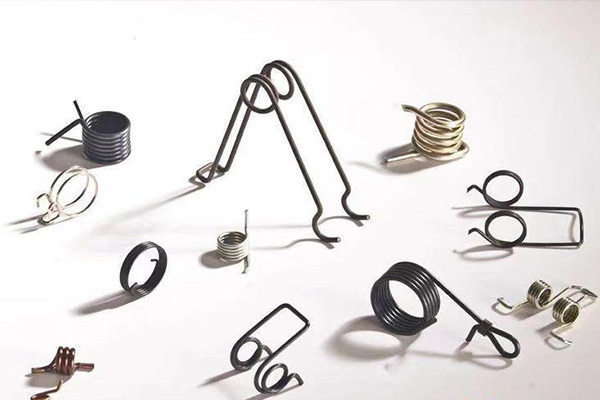
The current pattern of the spring industry
For the spring industry, for a long time, there has been an oversupply of low-grade ordinary springs.
2024-05-22
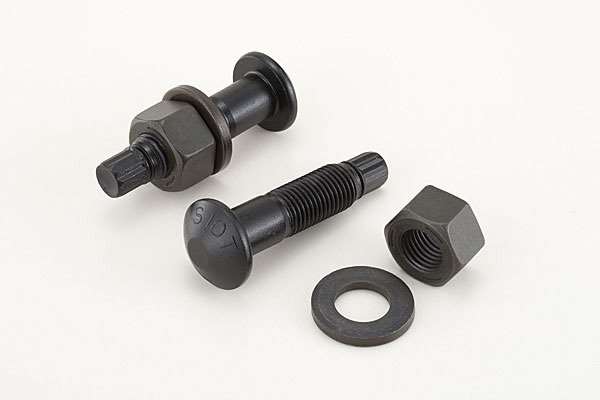
What material is generally used for high-strength bolts?
The upper limit of the tensile strength of the material used in high-strength bolts has a lot to do with the quenching treatment.
2024-05-22


Service E-mail
Service TEL
Address
Handan City, Hebei Province, China
To inquire about our products, please leave your email to us and we will contact you within 24 hours.
