



Top Reasons to Incorporate Stainless Steel Nuts in Your Projects
2025-10-04
Top Reasons to Incorporate Stainless Steel Nuts in Your Projects
Table of Contents
Introduction to Stainless Steel Nuts
Benefits of Using Stainless Steel Nuts
1. Exceptional Corrosion Resistance
2. High Strength and Durability
3. Excellent Temperature Resistance
4. Hygiene and Cleanliness
Applications of Stainless Steel
Top Reasons to Incorporate Stainless Steel Nuts in Your Projects
Table of Contents
- Introduction to Stainless Steel Nuts
- Benefits of Using Stainless Steel Nuts
- 1. Exceptional Corrosion Resistance
- 2. High Strength and Durability
- 3. Excellent Temperature Resistance
- 4. Hygiene and Cleanliness
- Applications of Stainless Steel Nuts
- Types of Stainless Steel Nuts
- Best Practices for Using Stainless Steel Nuts
- Frequently Asked Questions
- Conclusion
Introduction to Stainless Steel Nuts
Stainless steel nuts are crucial components widely used in various industries due to their strength, durability, and resistance to corrosion. Whether you are involved in construction, manufacturing, or any engineering project, understanding the significance of stainless steel nuts can help elevate the quality and longevity of your work. This article explores the top reasons to incorporate stainless steel nuts in your projects, ensuring you make informed decisions that benefit your operations.
Benefits of Using Stainless Steel Nuts
Stainless steel nuts offer an array of benefits that can enhance the efficiency and safety of your projects. Below are some of the most significant advantages:
1. Exceptional Corrosion Resistance
One of the primary reasons for using stainless steel nuts is their **exceptional corrosion resistance**. This is particularly important in environments exposed to moisture, chemicals, and extreme weather conditions. Stainless steel contains chromium, which forms a protective oxide layer that prevents rust and degradation, ensuring that your fasteners maintain their integrity over time. This property makes stainless steel nuts ideal for use in marine, chemical processing, and outdoor applications.
2. High Strength and Durability
Another compelling reason to opt for stainless steel nuts is their **high strength and durability**. Stainless steel is known for its ability to withstand heavy loads and extreme stresses. Compared to other materials, stainless steel nuts exhibit superior tensile strength, which translates to fewer failures and an extended lifespan for your projects. Whether you are working with machinery, automotive components, or structural applications, the strength of stainless steel nuts plays a vital role in ensuring the overall success of your work.
3. Excellent Temperature Resistance
In many industrial applications, components are subjected to extreme temperatures. Stainless steel nuts can withstand high heat without losing their mechanical properties, making them a reliable choice in environments where temperature fluctuations are common. They perform well in both high and low-temperature settings, ensuring that your projects remain safe and functional, regardless of the conditions they face.
4. Hygiene and Cleanliness
Stainless steel's non-porous surface and resistance to corrosion make it an excellent choice for applications requiring high levels of hygiene. Industries such as food processing, pharmaceuticals, and healthcare often mandate the use of materials that can be easily cleaned and sanitized. Stainless steel nuts can be thoroughly washed and sterilized, ensuring that they do not harbor bacteria or contaminants, making them a safe and smart choice for sensitive environments.
Applications of Stainless Steel Nuts
The versatility of stainless steel nuts allows them to be used across a wide range of applications. Here are some notable examples:
Construction Industry
In construction, stainless steel nuts are commonly used in structural assemblies, bridges, and buildings where strength and corrosion resistance are paramount.
Manufacturing
Manufacturers use stainless steel nuts in machinery and equipment, where durability and reliability are crucial for operational efficiency.
Automotive Industry
In the automotive sector, stainless steel nuts are utilized in various components, from engines to suspension systems, due to their strength and resistance to corrosion.
Marine Applications
The marine industry benefits significantly from stainless steel nuts, which can withstand saltwater exposure and harsh environmental conditions, ensuring longevity and safety.
Aerospace Industry
In aerospace applications, where weight and strength are critical, stainless steel nuts are used extensively to meet stringent safety and performance standards.
Types of Stainless Steel Nuts
Understanding the different types of stainless steel nuts available can help you choose the right one for your specific project needs. Here are some common types:
Hex Nuts
Hex nuts are the most common type, featuring a hexagonal shape that allows for easy tightening with wrenches.
Lock Nuts
Lock nuts are designed to resist loosening due to vibrations, making them ideal for applications that experience movement.
Wing Nuts
Wing nuts feature "wings" on the sides, allowing for hand-tightening without the need for tools, making them convenient for temporary assemblies.
Cap Nuts
Cap nuts have an enclosed end, offering additional protection for the threads and improving safety by preventing snagging.
Best Practices for Using Stainless Steel Nuts
To ensure optimal performance and longevity of stainless steel nuts in your projects, consider the following best practices:
1. Proper Installation
Ensure that nuts are installed according to manufacturer specifications, using the appropriate torque settings to avoid stripping or damaging threads.
2. Use Compatible Materials
When fastening stainless steel nuts, use compatible materials to prevent galvanic corrosion, which can occur when dissimilar metals are in contact.
3. Regular Inspections
Conduct regular inspections of installed nuts to check for signs of wear, corrosion, or loosening, allowing for timely maintenance and replacements.
4. Clean and Maintain
For projects in harsh environments, regularly clean and maintain stainless steel nuts to preserve their appearance and performance.
Frequently Asked Questions
What are the advantages of using stainless steel nuts over other materials?
Stainless steel nuts offer higher corrosion resistance, strength, and durability compared to materials like carbon steel or plastic, making them suitable for a wide range of applications.
Can stainless steel nuts be used in high-temperature environments?
Yes, stainless steel nuts are designed to withstand high temperatures without losing their mechanical properties, making them ideal for high-heat applications.
Are stainless steel nuts more expensive than other types of nuts?
While stainless steel nuts may have a higher upfront cost compared to other materials, their longevity and durability often lead to lower overall maintenance and replacement costs.
How do I prevent corrosion when using stainless steel nuts?
To prevent corrosion, ensure that stainless steel nuts are properly installed and maintained. Using compatible materials and avoiding contact with dissimilar metals can also help.
What size stainless steel nuts should I use for my project?
The size of stainless steel nuts you should use will depend on the specific requirements of your project, including load capacity, thread size, and application type. Always follow manufacturer specifications.
Conclusion
Incorporating stainless steel nuts into your projects offers numerous advantages that enhance durability, strength, and safety. Their exceptional resistance to corrosion, high strength, and hygiene make them ideal for a wide range of applications across various industries. By understanding the benefits, applications, and best practices associated with stainless steel nuts, you can make informed decisions that will lead to more robust and reliable projects. Whether you are engaged in construction, manufacturing, or any other engineering field, stainless steel nuts are a worthy investment that will ensure the long-term success of your endeavors.
Key words:
RELATED INFORMATION
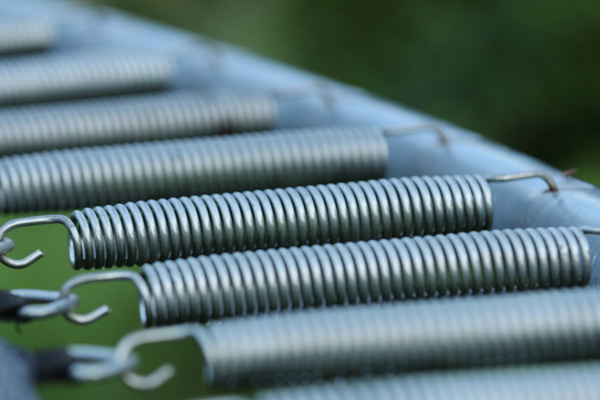
We know that within the elastic limit, the elongation (or contraction) of the spring is proportional to the external force.
2024-05-22
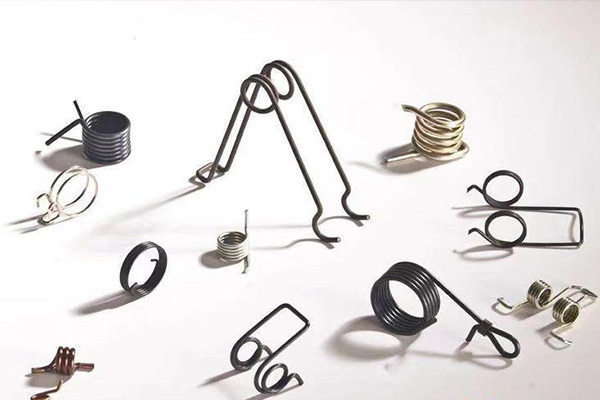
The current pattern of the spring industry
For the spring industry, for a long time, there has been an oversupply of low-grade ordinary springs.
2024-05-22
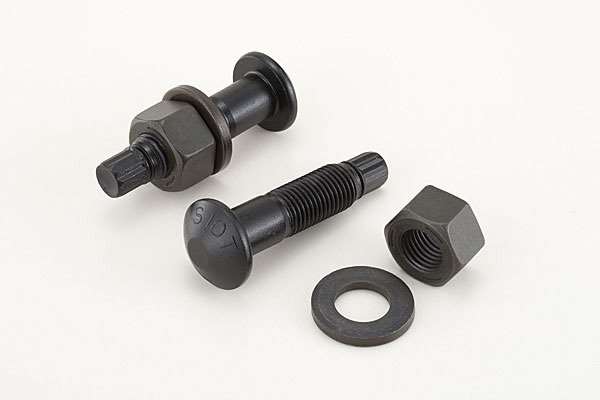
What material is generally used for high-strength bolts?
The upper limit of the tensile strength of the material used in high-strength bolts has a lot to do with the quenching treatment.
2024-05-22


Service E-mail
Service TEL
Address
Handan City, Hebei Province, China
To inquire about our products, please leave your email to us and we will contact you within 24 hours.
